
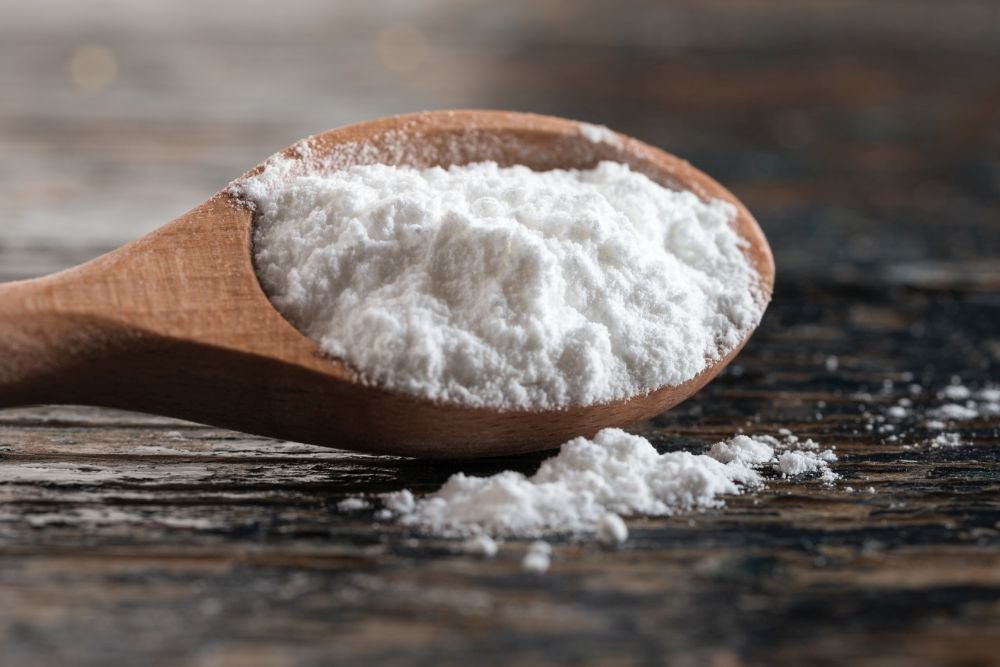
Baking soda. Baking powder. They’re both white powders in your pantry, both make things rise, and both have “baking” in the name — so they’re interchangeable, right? Absolutely not. Swap them and you’ll get pancakes that taste like soap or a cake that could double as a doorstop. Understanding the difference between baking soda and baking powder is one of those small bits of kitchen knowledge that quietly improves everything you bake. Here’s the clear explanation, plus the substitution rules for when you’re missing one.
The Short Version
- Baking soda = pure sodium bicarbonate. It’s a base that needs an acid in the recipe to activate (buttermilk, vinegar, lemon juice, brown sugar, molasses, yogurt, cocoa powder).
- Baking powder = baking soda + powdered acid(s) + starch. It’s complete — it just needs moisture and heat to work.
That’s the whole difference. Baking soda is one ingredient waiting for its partner; baking powder brings its own partner to the party.
How Each One Actually Works
Both create lift the same way: they produce carbon dioxide gas bubbles in batter, which expand in the oven’s heat and make baked goods rise. The difference is the trigger:
- Baking soda reacts immediately when it meets acid + liquid. The reaction starts the moment you mix the batter — which is why soda-leavened batters (pancakes, muffins) should hit the heat quickly. Let them sit and the bubbles escape.
- Baking powder is mostly “double-acting”: it releases some gas when moistened and the rest when heated. This two-stage action makes it more forgiving — batters can rest a bit without losing all their lift.
This is why recipes with acidic ingredients (buttermilk pancakes, chocolate cake with natural cocoa) use baking soda — the acid is already there. Recipes without significant acid (vanilla cake, biscuits with regular milk) use baking powder — it supplies its own acid. Many recipes use both: powder for reliable lift, plus a little soda to neutralize excess acid and aid browning.
Why You Can’t Just Swap Them 1:1
- Using baking soda instead of powder: You need roughly 1/4 teaspoon soda per 1 teaspoon powder — but without enough acid in the recipe, unreacted soda leaves a soapy, metallic taste and a yellowish tint. Disaster unless the recipe has plenty of acid.
- Using baking powder instead of soda: You need roughly 3x the amount (1 teaspoon powder per 1/4 teaspoon soda) — but the extra powder can taste bitter, and it won’t neutralize acids properly, affecting flavor and browning.
The emergency substitutions that actually work:
- No baking powder? Mix 1/4 teaspoon baking soda + 1/2 teaspoon cream of tartar (= 1 teaspoon baking powder). Or 1/4 teaspoon soda + 1/2 cup buttermilk/sour milk, reducing other liquids accordingly.
- No baking soda? Use 3x baking powder — but only in recipes without strong acids, and expect slightly less browning and a milder flavor.
- Neither? Whipped egg whites provide mechanical leavening for some recipes (angel food cake, soufflés) — but it’s a different technique, not a direct swap.
Freshness Matters More Than You Think
Both lose potency over time — and dead leaveners are a top cause of flat baked goods:
- Test baking powder: Drop 1/2 teaspoon in hot water. Vigorous fizzing = good. Weak or no fizz = replace.
- Test baking soda: Drop 1/2 teaspoon in vinegar. Immediate vigorous fizzing = good.
- Shelf life: Unopened, about 2 years; opened, 6–12 months. Write the opening date on the box.
- Storage: Cool, dry place, tightly sealed. The fridge “odor absorber” box of soda is not baking-grade fresh — keep a separate box for baking.
If your pancakes aren’t fluffy or your eggless cake won’t rise, check leavener freshness before blaming the recipe — it’s the culprit more often than you’d guess.
Beyond Baking: The Other Uses
- Baking soda: Deodorizer (fridge, carpets), gentle abrasive cleaner, heartburn relief (the original antacid), crispy chicken wings (raises skin pH for better browning — a legit pro trick).
- Baking powder: Basically just baking — though some cooks add a pinch to egg whites for extra-stable meringues.
Don’t use baking powder for cleaning/deodorizing — the added acids and starch make it less effective and leave residue.
Leavening in Different Cuisines
The soda-vs-powder choice plays out differently around the world, which is a fun way to understand it. Irish soda bread: the classic baking-soda showcase — buttermilk (acid) + soda, no yeast, no powder. The acid-base reaction does all the lifting, and the bread’s distinctive tangy flavor comes from that chemistry. American biscuits: typically baking powder (sometimes both) — the double-acting powder gives the tall, fluffy layers.
Chinese steamed buns (mantou): often use baking powder alongside or instead of yeast for a fine, even crumb. Indian bhatura and naan: yogurt (acid) + baking soda is traditional in many recipes — same acid-base principle as soda bread, different continent. Mexican buñuelos and some tamale doughs use powder for lightness.
The pattern: wherever there’s a traditional acidic ingredient (buttermilk, yogurt, sour milk), baking soda follows — cooks figured out the chemistry centuries before the chemistry had a name. Modern baking powder just bottled that insight for recipes without natural acids. The underlying science is the same sodium bicarbonate reaction everywhere.
Storing Leaveners Properly
Even fresh leaveners die young in bad conditions. Keep them cool, dry, and sealed — the cabinet away from the stove, not above it (heat and steam kill potency). Never use a wet spoon in the box; moisture activates the powder prematurely. Don’t store them in the fridge or freezer — condensation when they come out does more harm than the cold does good, despite the persistent myth.
Buy small quantities unless you bake constantly — the giant club-store box that takes two years to finish is dead for the last 18 months of its life. A standard small box, replaced yearly, outperforms a bulk box every time. Date it when you open it; your future self won’t remember.
The Bottom Line
The difference between baking soda and baking powder: soda is pure base needing an acid partner; powder is the complete package needing only moisture and heat. Use what the recipe specifies, test freshness every 6 months, and remember the emergency swap (1/4 tsp soda + 1/2 tsp cream of tartar = 1 tsp powder). It’s a tiny detail that determines whether your baking rises beautifully or falls flat — literally. For more baking science, our guides to butter substitutes in baking and eggless baking continue the education.






One Comment