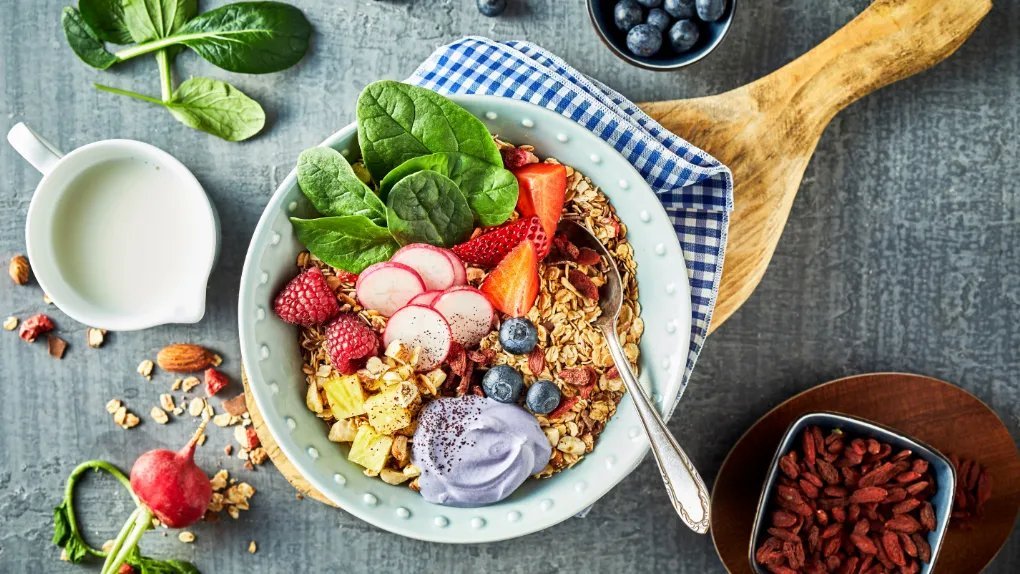
It’s 7 a.m., you’re already behind, and breakfast is either skipped or a sugar bomb from a drive-through. But here’s what I’ve learned after years of chaotic mornings: the healthiest breakfast isn’t the most elaborate one — it’s the one you’ll actually eat consistently. The best breakfast options for busy mornings are built on three things: protein (keeps you full), fiber (steady energy), and near-zero morning effort. Here are the options that actually work for real, rushed people.
The Formula: What Makes a Breakfast “Healthy” for Busy People
Forget superfood hype. A good busy-morning breakfast has:
- 15–25g protein — the difference between full until lunch and starving by 10 a.m.
- Fiber — slows digestion, steadies blood sugar, prevents the crash
- Minimal added sugar — under ~10g; the flavored yogurt and “healthy” granola trap
- Something you can eat in 5 minutes or grab on the way out — aspirational breakfasts you skip don’t count
The All-Stars: 8 Breakfasts That Take Under 5 Minutes
1. Overnight oats (2 minutes of evening effort, 0 morning effort)
The undisputed champion of busy breakfasts. Oats + milk + Greek yogurt + chia seeds + fruit in a jar, refrigerated overnight. ~20g protein, tons of fiber, endlessly customizable. Make 3–4 jars Sunday night. Cost: under $1 each. This is the backbone of our budget meal prep plans for good reason.
2. Greek yogurt + nuts + berries (2 minutes)
Plain Greek yogurt (not the dessert-flavored kind), a handful of walnuts or almonds, frozen berries (they thaw by the time you eat). ~20g protein. The plain-yogurt switch is the single biggest sugar cut most people can make at breakfast.
3. Hard-boiled eggs + fruit (0 minutes if prepped)
Boil a batch Sunday (11 minutes, ice bath, peel-easy). Two eggs + a banana + a handful of nuts = ~15g protein, portable, no refrigeration anxiety for a few hours. The Harvard Nutrition Source confirms eggs’ solid nutritional profile for most people.
4. Protein smoothie (3 minutes)
Frozen fruit + spinach (you won’t taste it) + protein powder or Greek yogurt + milk + peanut butter. Blend, go. ~25–30g protein. The only “equipment” is a $25 blender. Prep freezer bags with the solid ingredients for grab-and-blend mornings.
5. Whole-grain toast + nut butter + banana (2 minutes)
Not exciting, but effective: fiber + protein + potassium, genuinely filling. Upgrade with a sprinkle of chia or hemp seeds. Choose real whole-grain bread (first ingredient: whole wheat flour, 3g+ fiber per slice).
6. Cottage cheese + fruit + nuts (2 minutes)
The underrated protein bomb — a cup has ~25g protein. Top with pineapple, peaches, or berries. The texture divides people; the nutrition doesn’t.
7. Breakfast burrito, freezer batch (reheat 2 minutes)
Scrambled eggs + black beans + cheese + salsa in tortillas, wrapped in foil, frozen. Microwave 2 minutes. ~18g protein, actually satisfying, costs ~$1 each. Make 8–10 at a time.
8. Chia pudding (2 minutes evening effort)
Chia seeds + milk + vanilla, refrigerated overnight. Fiber powerhouse (10g+ per serving), healthy fats, endlessly toppable. Texture isn’t for everyone — try it once before judging.
What to Avoid (The Busy-Morning Traps)
- Flavored yogurts and “protein” bars — often 20g+ of sugar, basically candy with marketing
- Pastries and muffins — the 10 a.m. crash is the sugar wearing off, not “needing coffee”
- Skipping entirely then overeating at lunch — if you’re genuinely not hungry mornings, a small protein-rich snack beats nothing
- Juice — even 100% juice is sugar water without the fiber; eat the fruit instead
The 10-Minute Sunday Setup
The real secret to healthy busy-morning breakfasts isn’t morning willpower — it’s Sunday preparation:
- Boil 6–8 eggs
- Make 4 overnight oats jars
- Portion nuts into grab bags
- Prep 2–3 smoothie freezer bags
Ten minutes buys you a week of zero-decision mornings. Decision fatigue is the enemy; remove the decisions.
Drinks: The Overlooked Part of Breakfast
What you drink at breakfast matters as much as what you eat. Coffee: fine, even beneficial — but the 400-calorie flavored latte is a dessert, not coffee. Black or with a splash of milk keeps it under 20 calories; every syrup pump adds ~20 calories and 5g sugar. Tea: green tea’s modest caffeine plus L-theanine gives calm alertness without coffee’s edge — worth trying if coffee makes you jittery.
Water first: you wake up mildly dehydrated, and a big glass of water before anything else improves energy more than most people expect. Keep a glass by the bed — it’s the easiest health habit in existence. Smoothies vs. juice: already covered, but it bears repeating — blended whole fruit (fiber intact) is breakfast; strained juice (fiber removed) is sugar water. The difference is the fiber, and it’s everything.
Protein shakes: not just for gym people — a quality protein shake is a legitimate 2-minute breakfast with 25–30g protein. Look for short ingredient lists and under 5g added sugar; the chalky ones are a thing of the past. Paired with a banana, it’s a complete breakfast you can drink in the car (at red lights, responsibly).
Coffee Shop Breakfasts vs. Homemade: The Real Math
The daily coffee-shop run is the silent budget killer. A latte and a pastry: $9–$12, 600+ calories, 40g+ sugar. Five days a week, that’s $200+ monthly and a nutritional disaster. The homemade equivalents: overnight oats ($0.80) + black coffee ($0.25) = $1.05, 20g protein, 8g fiber. The gap is staggering — you’re paying 10x more for something nutritionally worse.
I’m not saying never buy breakfast out — the occasional café morning is a joy. But make it intentional (weekends, with friends) rather than default (Tuesday, because you didn’t prep). The Sunday 10-minute prep session exists precisely to make weekdays automatic. Future you, rushing out the door with a jar of overnight oats, will not miss the $11 sugar bomb.
The Bottom Line
The healthiest breakfast options for busy mornings are protein-rich, fiber-filled, low-sugar, and prepped in advance: overnight oats, Greek yogurt bowls, pre-boiled eggs, smoothies, and freezer burritos. Pick two or three, rotate them, and prep on Sunday. You’ll spend less than $2 per breakfast, eat in under 5 minutes, and stay full until lunch — no drive-through required. For the protein-focused, our high-protein meals for people who hate cooking extends the same philosophy to the rest of the day.