

Quick Answer: To add nitrogen to soil, first test your soil to confirm a deficiency, then apply a nitrogen source matched to your needs. Fast-acting options include blood meal (organic) and ammonium s...

Quick Answer: To get rid of mice, set snap traps along walls where you see droppings, seal every entry hole larger than a dime with steel wool and caulk, and remove food sources by storing food in sea...
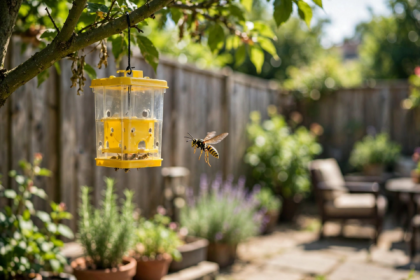
Quick Answer: To keep wasps away, remove what attracts them: cover food and drinks outdoors, seal trash cans tightly, eliminate standing water, and seal cracks in siding and eaves where they nest. Set...

Quick Answer: Most financial planners suggest saving enough to replace about 80% of your pre-retirement income, which commonly works out to roughly 10 to 12 times your annual salary by age 67. The fam...

Quick Answer: You file taxes by gathering your income documents (W-2s, 1099s), choosing a filing method, calculating your tax, and submitting your return to the IRS. Most people file electronically us...

Quick Answer: Most state tax refunds arrive within 2–12 weeks, depending on your state and how you filed. E-filed returns with direct deposit are fastest — many states issue them in 1–3 weeks, some in...
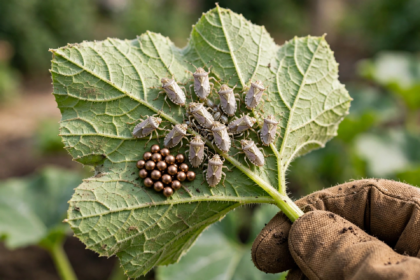
Quick Answer: To get rid of squash bugs, hand-pick adults and nymphs into soapy water daily, scrape their bronze egg clusters off the undersides of leaves, and spray nymphs with neem oil or insecticid...
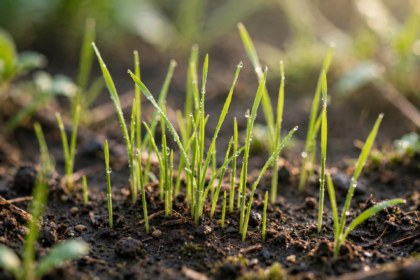
Quick Answer: Most grass seed germinates in 7–21 days, but timing varies widely by species: perennial ryegrass sprouts in 5–10 days, tall fescue in 7–12 days, and Kentucky bluegrass takes 14–30 days. ...

Quick Answer: To figure out how much mulch you need, multiply your bed’s length × width (in feet) × desired depth (in inches), then divide by 324. The result is the number of cubic yards to buy....
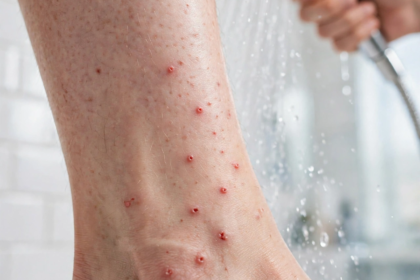
Quick Answer: To get rid of fleas on humans, shower with warm water and soap, then wash your clothing and bedding in hot water (at least 130°F / 54°C) and dry on high heat. Treat bites with hydrocorti...