

Quick Answer: To save for a house down payment: determine your target (3–20% of the home price depending on loan type — $12,000–$80,000 on a $400,000 home), open a dedicated high-yield savings account...
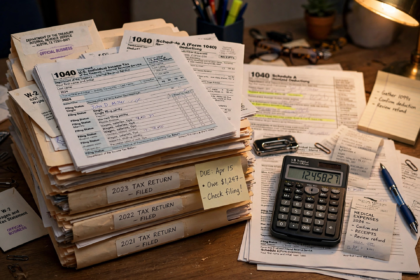
Quick Answer: To back file taxes: gather income documents (W-2s, 1099s) for each missing year — request wage transcripts from the IRS if you’ve lost them — then prepare and file each year’...

Quick Answer: To invest during a recession: keep investing consistently (dollar-cost averaging turns lower prices into more shares), maintain an emergency fund so you never sell at the bottom, favor h...
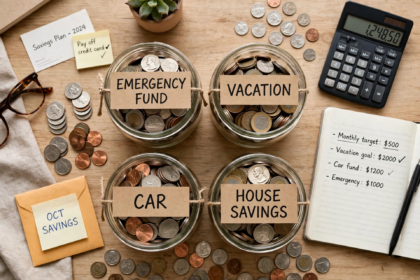
Quick Answer: Most people do best with 3–5 savings accounts: one emergency fund plus one for each major goal (vacation, car, house down payment, etc.). Fewer than 3 and your goals blur together; more ...

Quick Answer: A mortgage pre-approval is typically good for 60–90 days, depending on the lender. It can expire sooner if your financial situation changes — new debts, job changes, or credit score drop...

Quick Answer: The easiest way to transfer funds between banks is linking the accounts and using ACH transfer — free, taking 1–3 business days. For urgent transfers, use a wire transfer (same business ...

Quick Answer: To buy an apartment complex: define your investment criteria (market, size, budget), get pre-approved for commercial financing (typically 20–30% down), analyze deals using cap rate and c...

Quick Answer: To sell your home by owner (FSBO): price it accurately with a comparative market analysis, prepare and stage the home, list it on FSBO sites plus the MLS via a flat-fee service ($300–$50...

Quick Answer: To get a personal loan: check your credit score, determine how much you need, compare at least 3–5 lenders (banks, credit unions, online lenders), prequalify to see rates without hurting...

Quick Answer: The fastest legitimate ways to get $1,000 are: sell unused items (electronics, furniture, clothes) for $300–$600 within days, pick up gig work (rideshare, delivery, task apps) earning $1...