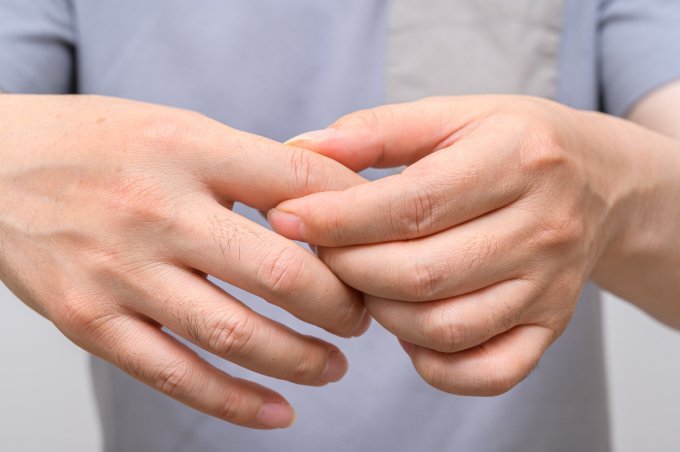
Everyone knows someone who cracks their knuckles constantly — and everyone has heard that it’ll cause arthritis someday. It’s one of those warnings passed down like folklore, usually delivered with a wince. But is there any actual science behind it, or is it just something adults say to stop an annoying sound? So let’s take is it bad to crack your knuckles every day seriously and answer it properly.
I looked into the research, and the answer is more interesting than you’d expect. The short version: daily knuckle cracking almost certainly won’t give you arthritis. But the full story — including what that pop actually is — is worth knowing.
What That Popping Sound Actually Is
For decades, scientists debated what causes the crack. The leading explanation now: when you stretch a joint quickly, pressure drops inside the synovial fluid that lubricates it, and dissolved gases — mostly nitrogen — form a bubble that rapidly collapses. That collapse is the pop. It’s the same physics as opening a champagne bottle, just inside your finger. what happens inside joints when they crack
Here’s the cool part: researchers actually watched this happen in real time with MRI. A 2015 study filmed knuckle cracking inside an MRI scanner and confirmed the bubble-collapse theory. So the sound isn’t bones grinding or anything damaging — it’s just gas bubbles doing their thing in joint fluid. Kind of anticlimactic, honestly.
- It’s gas bubbles, not bone damage: nitrogen bubbles collapsing in synovial fluid make the sound.
- There’s a refractory period: that’s why you can’t crack the same knuckle twice in a row — the gases need time to re-dissolve.
- Not all joint sounds are equal: painless cracking is normal; grinding or catching with pain is worth checking out.
- It’s incredibly common: studies suggest 25-45% of people crack their knuckles regularly.
- The habit is usually harmless: most habitual crackers do it for the satisfying feeling of release.
What the Research Says About Arthritis and Damage
The arthritis question has been studied properly, and the answer is reassuring. A famous study followed hundreds of adults and found no link between habitual knuckle cracking and hand arthritis — the researcher behind it reportedly cracked the knuckles of only one hand for 50 years as a personal experiment and found no difference between his hands. That’s commitment to science.
Larger studies since have confirmed it: knuckle crackers don’t develop arthritis at higher rates. There is one small caveat — some research found habitual crackers had slightly reduced grip strength and more hand swelling, but the effect was minor and the studies were small. For the average person cracking their knuckles daily, the evidence says: relax. what happens inside joints when they crack
- No proven arthritis link: multiple studies find no association between cracking and arthritis.
- Possible minor grip effects: small studies hint at slightly weaker grip — not clinically meaningful for most.
- Aggressive cracking can strain ligaments: yanking fingers forcefully is different from a gentle crack. Don’t force it.
- Swelling after cracking isn’t normal: if a joint swells or hurts, that’s a sign to stop and get checked.
- The real risk is social: honestly, the biggest downside is annoying everyone around you.
When Cracking Is a Problem (and How to Quit)
So when should you worry? If cracking comes with pain, swelling, locking, or a feeling that the joint ‘catches,’ that’s not normal knuckle cracking — see a doctor. Also, if you’re cracking your neck or back aggressively, that’s a different story: forceful spinal manipulation carries real risks, and I’d leave backs and necks to professionals.
If you just want to stop because the habit bugs you (or your spouse), the trick is replacing the sensation. Stress balls, fidget tools, or simply keeping your hands busy work because knuckle cracking is usually a nervous or boredom habit. Awareness is half the battle — most crackers don’t even realize they’re doing it until someone points it out.
- See a doctor if: cracking comes with pain, swelling, stiffness, or joints that lock.
- Don’t crack your neck forcefully: aggressive neck cracking is riskier than knuckles — get professional help instead.
- Try a substitute: stress ball, putty, or a fidget ring gives hands the same busy-work outlet.
- Notice your triggers: boredom, stress, typing breaks — knowing the trigger helps you intercept it.
- It’s okay to just keep doing it: if it’s painless and doesn’t bother anyone, there’s no medical reason to stop.
Common Mistakes to Avoid
Knowing what to do is only half the battle — knowing what not to do saves you from the traps that catch most people. These are the mistakes I see over and over, and every one of them is avoidable once you know to watch for it.
- Cracking aggressively or forcing it: gentle cracking is harmless; yanking fingers with force can strain ligaments. Never force a joint that won’t crack.
- Cracking your neck forcefully: necks are not knuckles — aggressive self-manipulation of the cervical spine carries real risks. See a professional.
- Ignoring painful cracking: painless popping is normal; cracking accompanied by pain, swelling, or locking is not. That’s a doctor visit.
- Assuming it causes arthritis: the folklore creates needless guilt. The research is clear — let it go and crack (gently) in peace.
- Doing it compulsively from anxiety: if you can’t stop and it’s tied to anxiety, address the anxiety — the cracking is a symptom, not the problem.
Frequently Asked Questions
Why can’t I crack the same knuckle twice in a row?
After a crack, the gases need about 20 minutes to re-dissolve into the synovial fluid before another bubble can form and collapse. It’s called the refractory period — totally normal joint physics.
Does cracking knuckles make them bigger?
No evidence supports this. Knuckle size is determined by bone structure and genetics, not cracking habits. The 50-year one-handed self-experiment found no difference between the cracker’s two hands.
Is cracking your back the same as knuckles?
Similar mechanism (gas bubbles in joint fluid), but backs involve the spine — forceful self-manipulation carries more risk than knuckles. Gentle stretching that happens to pop is fine; aggressive twisting to force cracks is not wise.
Should I stop my child from cracking knuckles?
No medical reason to stop them — it’s harmless. If it becomes compulsive or is paired with anxiety, address the underlying anxiety rather than policing the habit itself.
Pro tip: Pick one change from this guide and do it today — not tomorrow, today. Momentum beats planning: a single action taken now outperforms a perfect plan started next week.
Is it bad to crack your knuckles every day: The Bottom Line
Daily knuckle cracking is almost certainly harmless — the pop is just gas bubbles in joint fluid, and real studies find no link to arthritis. The one-handed 50-year self-experiment remains my favorite piece of evidence. Keep it gentle, stop if there’s ever pain or swelling, and leave aggressive neck-cracking alone. Otherwise, crack away — the only proven side effect is irritating the people sitting next to you.