Quick Answer: To get rid of silverfish, lower humidity below 50% with ventilation and a dehumidifier (this is the single most important step), remove their food sources like paper clutter and starchy debris, seal cracks and entry points, then use traps or diatomaceous earth in problem areas. Without fixing the moisture, they will keep coming back.
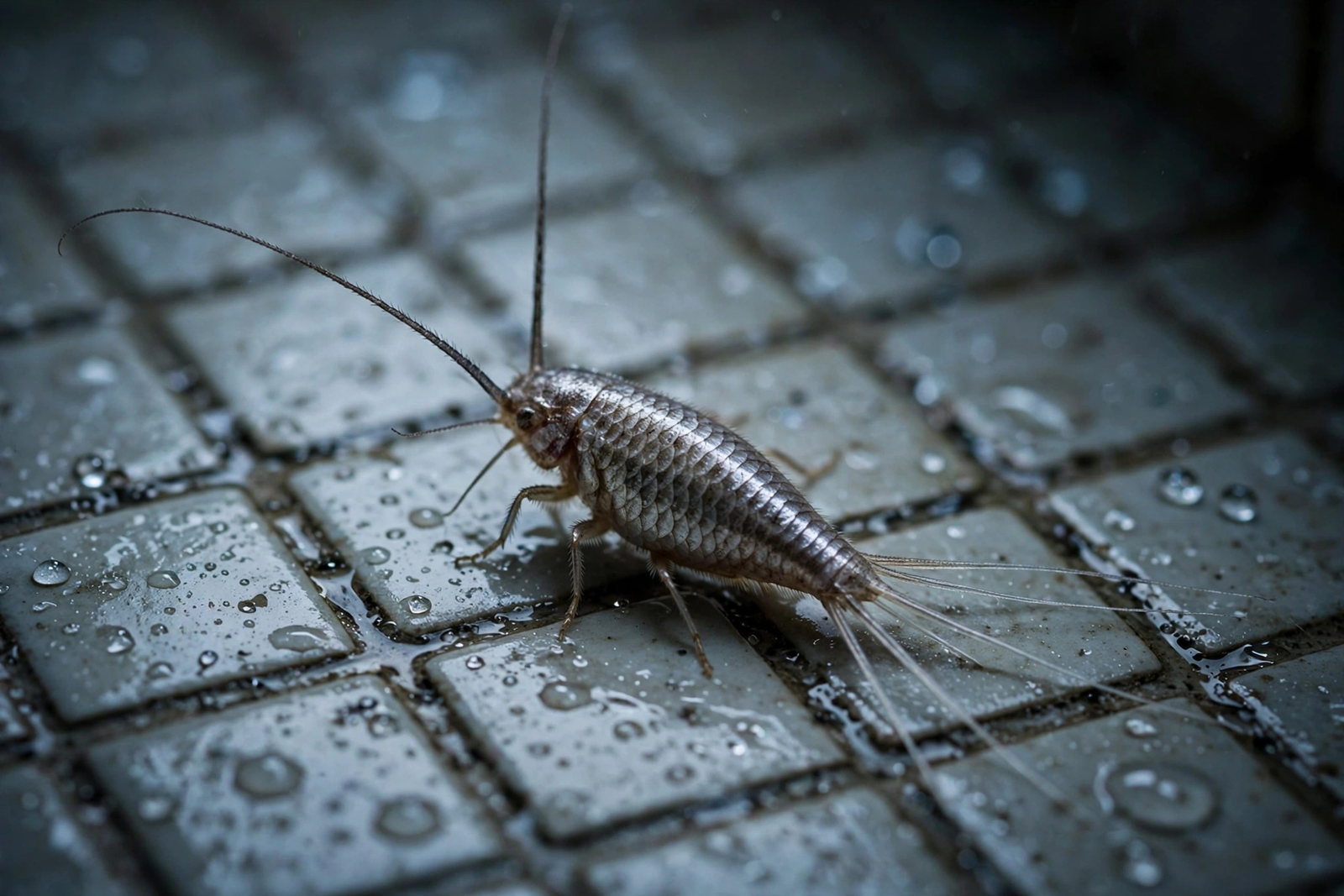
Silverfish are those silvery, teardrop-shaped insects that dart across the bathroom floor when you turn on the light at night. They do not bite, sting, or spread disease — but they are destructive. Silverfish eat paper, books, wallpaper, photographs, clothing, drywall, and anything starchy, and a long-term infestation can quietly ruin stored belongings.
The good news: silverfish are one of the more straightforward household pests to beat, because they depend so heavily on moisture. Fix the dampness and you fix the problem.
Step 1: Confirm They Are Silverfish
Silverfish are about 1/2 to 3/4 inch long, wingless, with a tapered carrot-like body covered in silvery scales. They have three long bristle-like tails at the rear and two long antennae at the front, and they move in a distinctive wiggling, fish-like motion — hence the name.
They are often confused with:
- Firebrats: Nearly identical but prefer heat (near boilers, ovens, hot pipes) rather than dampness.
- Booklice: Much smaller (1/16 inch), pale, and found in moldy books.
- Earwigs: Have prominent pincers on the rear.
You will usually find silverfish in bathrooms, basements, laundry rooms, kitchens, and attics — anywhere dark and humid. Signs of an infestation include yellowish stains on paper or fabric, tiny holes in wallpaper or book bindings, and shed skins (they molt throughout their lives).
Step 2: Reduce Humidity — The Critical Step
Silverfish need relative humidity above 50% to thrive and reproduce. Drop it below that and the population collapses. This step matters more than any spray or trap.
- Run a dehumidifier in basements and other damp areas, aiming for 30-45% relative humidity. Empty it regularly or connect a drain hose.
- Ventilate bathrooms: Run the exhaust fan during showers and for 20-30 minutes after. If your bathroom has no fan, open a window or leave the door ajar.
- Fix leaks: Repair dripping pipes, leaking faucets, and any roof or window leaks. Check under sinks and behind toilets.
- Improve airflow: Do not push furniture tight against exterior walls in damp rooms. In basements, a small fan keeps air moving.
- Vent dryers outdoors and make sure the vent is not leaking humid air into the house.
A cheap hygrometer ($10-15) lets you monitor humidity room by room so you know the dehumidifier is actually working.
Step 3: Remove Their Food Sources
Silverfish feed on starches and cellulose: paper, cardboard, book bindings, wallpaper paste, photographs, cotton, linen, silk, and even dead skin and dandruff. You cannot remove everything, but you can make food harder to reach:
- Declutter paper: Recycle old newspapers, magazines, and cardboard boxes. Store important papers in sealed plastic bins, not cardboard.
- Store clothing properly: Wash and seal off-season clothes in airtight containers. Silverfish love starched fabrics and undisturbed closets.
- Vacuum regularly in closets, under furniture, along baseboards, and in storage areas — this removes both food debris and silverfish eggs.
- Keep pantry goods sealed: Store flour, cereal, pasta, and pet food in airtight containers. Silverfish will eat dry goods too.
- Reduce wallpaper reliance in chronically damp rooms if possible — the paste underneath is prime food.
Step 4: Seal Entry Points and Hiding Spots
Silverfish enter through tiny cracks and then hide in wall voids, behind baseboards, and under flooring. Seal them out:
- Caulk cracks around baseboards, window frames, door frames, and where pipes enter walls.
- Seal gaps around plumbing with copper mesh and caulk.
- Repair torn window screens and add weather stripping to doors.
- In bathrooms and kitchens, re-caulk around tubs, sinks, and backsplashes where moisture gets behind surfaces.
This will not eliminate an existing indoor population by itself, but it stops reinforcements and removes harborage.
Step 5: Trap and Kill the Existing Population
With moisture reduced and food secured, now remove the silverfish already inside.
DIY Newspaper Trap
Roll up a damp newspaper, secure it with a rubber band, and leave it in an infested area overnight. Silverfish gather in the damp paper to feed; in the morning, take it outside and dispose of it (do not unroll it indoors). Repeat nightly for a week or two. It is simple and surprisingly effective for monitoring and reduction.
Glass Jar Trap
Wrap the outside of a glass jar with masking tape (so they can climb up) and put a small piece of bread inside. Silverfish climb in but cannot climb the smooth glass to get out. Place jars along walls in bathrooms, basements, and closets.
Diatomaceous Earth (DE)
Food-grade diatomaceous earth is a fine powder that damages insects’ waxy outer coating, causing them to dehydrate. Dust a thin layer in cracks, behind appliances, along baseboards, and in other areas where you see silverfish. Key points:
- Use food-grade DE, not pool-grade (which is chemically treated and hazardous to breathe).
- Wear a dust mask when applying — the fine powder irritates lungs.
- Keep it dry — DE stops working when wet, so do not use it in showers or directly in damp spots.
- Keep away from areas where children or pets might stir up clouds of it.
Boric Acid
Boric acid powder works similarly and silverfish ingest it while grooming. Apply a very light dusting in wall voids, under appliances, and in cracks — places people and pets cannot reach. Safety note: boric acid is toxic if ingested, so never apply it on countertops, in pantries near open food, or anywhere children or pets can reach it. Always follow label directions; the EPA’s pesticide safety guidance applies to boric acid products as well.
Insecticide Sprays
Residual sprays containing pyrethrins can be applied to baseboards and cracks as a last resort. They kill on contact but do nothing about the moisture problem, so they are a supplement to — not a replacement for — humidity control. For guidance on choosing low-toxicity products, university extension resources like University of Minnesota Extension publish pest-specific fact sheets.
Protecting Books, Photos, and Important Papers
If silverfish have found your bookshelves, take extra steps:
- Move valuable books and documents to the driest room in the house.
- Store them in sealed plastic bins with silica gel packets.
- Do not shelve books directly against exterior walls in damp rooms.
- Inspect stored items every few months for fresh damage or live insects.
- For already-damaged books, isolate them — silverfish spread from item to item.
Preventing Silverfish From Returning
Silverfish can live for years and lay eggs in tiny crevices, so prevention is a long game:
- Keep indoor humidity below 50% year-round, including in summer.
- Maintain the decluttered, sealed-food habits from Step 3.
- Vacuum storage areas and closets seasonally.
- When bringing in used books, furniture, or cardboard boxes, inspect them first.
- Re-caulk bathrooms and kitchens every few years before gaps open up.
When to Call a Professional
Most silverfish problems respond to humidity control plus trapping. Call a pest professional if the infestation persists after 4-6 weeks of diligent moisture reduction, if silverfish are damaging valuable collections or archives, or if you suspect a hidden moisture problem (like a slow plumbing leak inside a wall) that you cannot locate yourself.
Silverfish often share damp hiding spots with other household pests — our guides on how to get rid of ants in the kitchen and how to get rid of german cockroaches cover overlapping moisture-control and sealing steps that help with both.
Frequently Asked Questions
Are silverfish dangerous? Do they bite?
No. Silverfish do not bite humans or pets, do not sting, and do not spread disease. Their harm is purely to property — paper, books, wallpaper, clothing, and dry foods. They are a nuisance and a sign of excess moisture, not a health threat.
What causes silverfish in the house?
Excess moisture is the root cause — leaking pipes, poor bathroom ventilation, damp basements, and humid climates. They also follow food sources like paper clutter and unsealed dry goods, and enter through tiny cracks around plumbing, windows, and foundations.
Does baking soda kill silverfish?
Baking soda alone is not a reliable silverfish killer despite what some home remedy sites claim. Diatomaceous earth and boric acid have actual insecticidal action. Your effort is better spent on dehumidification, which addresses the cause rather than the symptoms.
How long does it take to get rid of silverfish?
Expect 3-6 weeks to see a major drop once humidity is under control and traps are in place. Silverfish eggs hatch over several weeks, so keep traps out and humidity low for at least two months to break the breeding cycle.
Will silverfish go away on their own?
Rarely. They can survive months without food and live for several years. If the moisture that attracted them stays, the population persists and grows. Active intervention — especially dehumidification — is necessary.
Are silverfish a sign of mold?
Not directly, but they thrive in the same damp conditions that grow mold, and they will eat mold too. If you have silverfish plus a musty smell or visible mold, treat it as a moisture problem first: fix the water source, dry the area, and clean the mold with appropriate precautions.