You buy fresh vegetables with the best intentions. Four days later, the lettuce is slimy, the herbs are black, and the bell peppers have soft spots. The average household throws away hundreds of dollars of produce yearly — not from overbuying, but from storing it wrong. Different vegetables need different conditions, and a few simple adjustments can double or triple their fridge life. Here’s the best way to keep vegetables fresh longer in the fridge.
The Golden Rule: Ethylene Awareness
Some fruits and vegetables emit ethylene gas, which speeds ripening (and rotting) in everything nearby. The big ethylene producers: bananas, avocados, tomatoes, onions, potatoes. The ethylene-sensitive victims: leafy greens, herbs, broccoli, cucumbers, peppers, carrots.
Keep producers away from sensitive vegetables. This single habit — not storing onions next to lettuce, tomatoes away from cucumbers — prevents a huge share of premature spoilage. Use separate drawers or bags. It’s the highest-impact produce storage rule there is.
Fridge Zones: Use Them Right
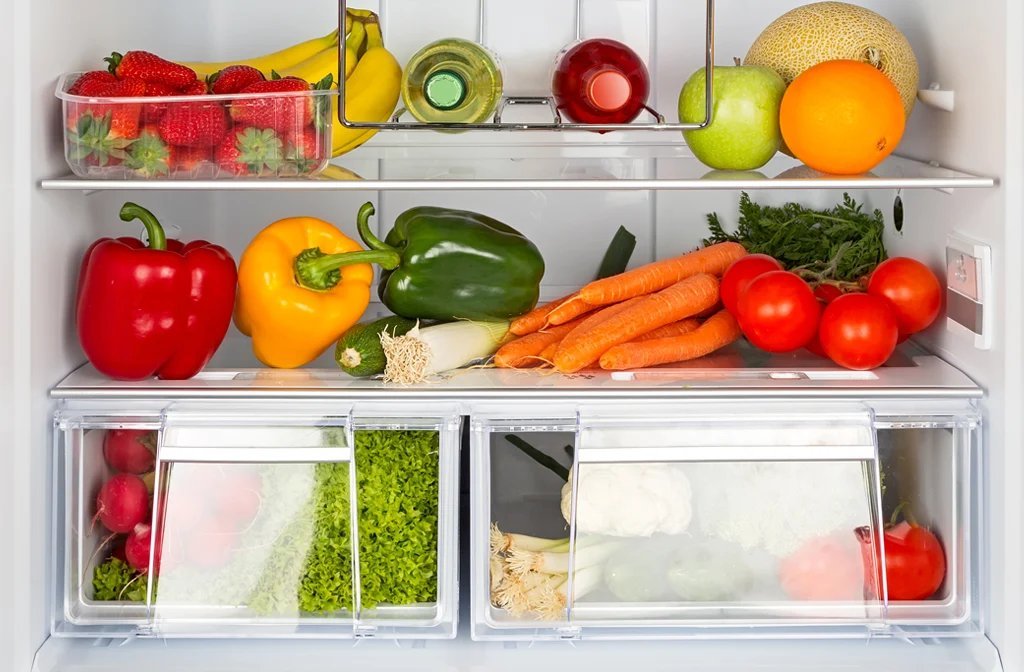
Those crisper drawers with the little humidity slider aren’t decorative:
- High humidity (closed vent): Leafy greens, herbs, broccoli, cucumbers, peppers — vegetables that wilt. The closed vent traps moisture.
- Low humidity (open vent): Ethylene producers and things that rot with moisture — technically for fruits, but use it to isolate ethylene emitters from your greens.
- Main shelves: Fine for hardy vegetables short-term, but the drawers are better.
- Don’t overcrowd. Air circulation matters — a packed drawer traps ethylene and moisture against everything.
Vegetable-by-Vegetable Storage Guide
- Leafy greens/lettuce: Wash, spin or pat completely dry (moisture = slime), wrap loosely in a dry paper towel or clean tea towel, then into a bag or container. Lasts 7–10 days instead of 3. The paper towel is the magic — it wicks the moisture that causes sliminess.
- Herbs (parsley, cilantro): Treat like flowers — trim stems, stand in a jar with an inch of water, cover loosely with a bag, refrigerate. Lasts 2–3 weeks. (Basil is the exception — it hates cold; keep basil at room temp in water.) Our herb storage guide goes deeper.
- Broccoli/cauliflower: Unwashed in a loosely closed bag in high-humidity drawer. Wash only before use. 7–10 days.
- Carrots/celery: Remove green tops (they draw moisture from the root), store in water in a sealed container in the fridge — they stay crisp for 2–3+ weeks. Change the water weekly.
- Bell peppers: Unwashed, in a bag in the crisper. 1–2 weeks. Cut peppers: store in an airtight container, use within 3–4 days.
- Cucumbers/zucchini: Unwashed, wrapped in a paper towel inside a bag. Sensitive to cold — keep away from the coldest fridge spots. 5–7 days.
- Mushrooms: Paper bag, not plastic — they need to breathe. 5–7 days. Never wash until use.
- Asparagus/green onions: Upright in a jar with water, bag over the top. 1–2 weeks.
The USDA food safety basics cover the safety side — when in doubt about spoilage, the “when in doubt, throw it out” rule protects you.
What Shouldn’t Be in the Fridge at All
- Tomatoes: Cold kills their flavor and texture. Countertop, stem-side down, away from sunlight. Refrigerate only when fully ripe to buy 2–3 extra days.
- Potatoes and onions: Cool, dark, dry place — NOT the fridge (cold converts potato starch to sugar, affecting taste and browning). And store them separately — onions make potatoes sprout.
- Whole winter squash: Countertop for weeks; refrigerate only after cutting.
- Garlic: Countertop in a breathable container. Fridge moisture causes sprouting.
The Prep-Day Advantage
Washing, drying, and properly storing produce the day you bring it home takes 20 minutes and doubles its life. Pair this with a weekly meal prep routine and a food waste reduction system, and you’ll throw away almost nothing. The “eat me first” box — one container for the most perishable items — ensures the delicate stuff gets used before the hardy stuff.
Freezing Vegetables: The Long-Term Strategy
For produce you can’t use in time, freezing beats the trash can every time — and frozen-at-home vegetables are excellent if done right. Blanching is the key step most people skip: brief boiling (1–3 minutes depending on the vegetable), then an ice bath, then dry thoroughly and freeze in a single layer on a sheet pan before bagging. Blanching stops the enzymes that degrade flavor, color, and nutrition in the freezer. Unblanched frozen vegetables go mushy and off-tasting within weeks; blanched ones last 8–12 months.
What freezes well: broccoli, green beans, peas, corn, peppers (no blanching needed), onions (diced, no blanching), spinach and greens (blanched, squeezed dry). What doesn’t: lettuce, cucumbers, raw potatoes (grainy), whole tomatoes (fine for sauce, terrible for salads). Label everything with contents and date — frozen mystery bags get thrown away just like fridge mystery containers.
Frozen vegetables go straight from freezer to pan — no thawing needed for stir-fries, soups, and roasts. A freezer stocked with blanched garden produce or sale-bought vegetables is a hedge against both waste and high grocery prices.
The Crisper Drawer Mistake Everyone Makes
Here’s what most people do wrong: they stuff everything into the crisper drawers indiscriminately, or worse, leave the drawers empty and pile produce on the shelves. Both waste the drawers’ purpose. The drawers work by controlling humidity — but only if you sort correctly and don’t overfill. A crammed drawer can’t circulate air, trapping ethylene against everything and accelerating the exact spoilage you’re trying to prevent.
The fix is embarrassingly simple: use both drawers with intention (high humidity for greens, low for ethylene producers), keep them no more than two-thirds full, and line the bottom with a dry paper towel to absorb excess moisture. Check the towel weekly — if it’s soaked, your produce is sitting in water, which is worse than no drawer at all. This one habit, done right, is worth more than every produce-saving gadget on the market.
The Bottom Line
To keep vegetables fresh longer in the fridge: separate ethylene producers from sensitive greens, use the crisper humidity settings correctly, dry leafy greens thoroughly and wrap in paper towels, store carrots/celery in water, keep tomatoes/potatoes/onions out of the fridge entirely, and do a 20-minute prep session on grocery day. These aren’t fussy chef tricks — they’re simple physics and biology that turn a 3-day vegetable into a 10-day vegetable. Your grocery budget will feel the difference within a month.