
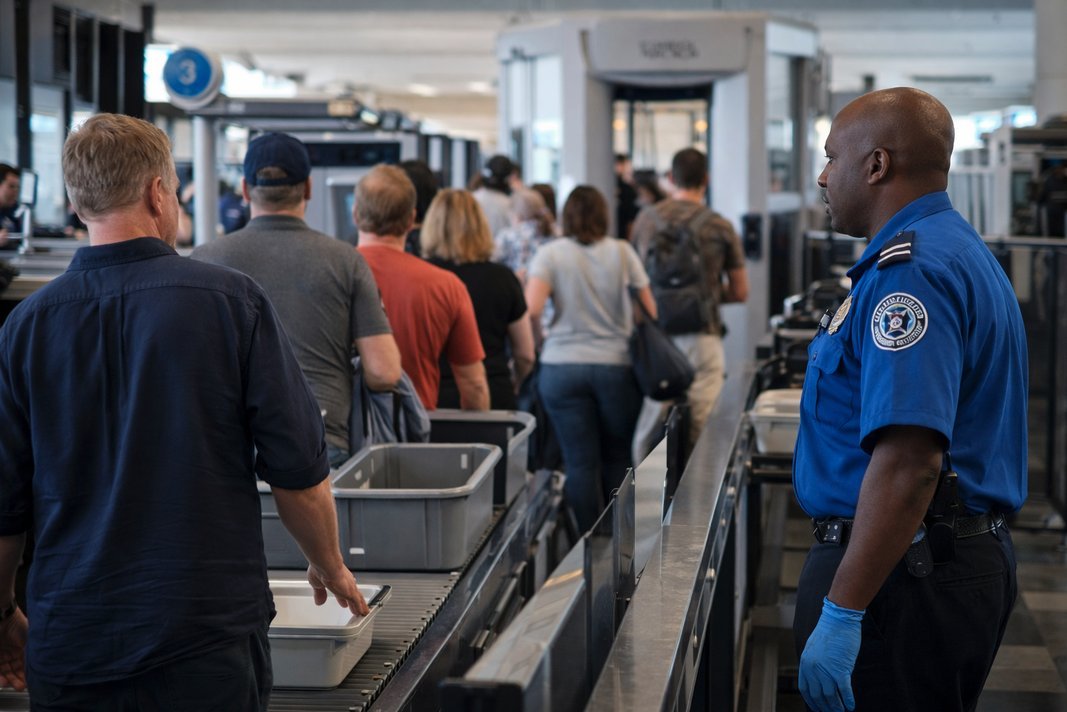
Packing snacks for a flight is smart — airport food is overpriced, plane food is unpredictable, and hunger at 35,000 feet is miserable. But the TSA has opinions about your snacks, and showing up with the wrong items means surrendering your carefully packed food at the checkpoint. So what are the rules for bringing snacks through airport security? Mostly good news: solid foods are broadly allowed. The complications are liquids, gels, and international customs. Here’s the complete guide.
The Core Rule: Solids Yes, Liquids Restricted
The TSA’s 3-1-1 rule governs liquids, gels, and aerosols — but solid foods are exempt from the liquid restrictions. This is the key distinction most travelers miss:
- Allowed freely: Sandwiches, wraps, fruit, vegetables, crackers, chips, cookies, candy, granola bars, nuts, dried fruit, cheese (solid), chocolate, baked goods, pizza slices, burritos. If it’s solid, it flies.
- Restricted (3-1-1 rule): Anything liquid, gel, or spreadable over 3.4 oz / 100ml: yogurt, hummus, peanut butter, dips, sauces, jams, soups. These must fit in your quart-size liquids bag in 3.4oz containers — or go in checked luggage.
- The gray zone: Creamy cheeses, pâté, dips — if it spreads, TSA treats it as a gel. When in doubt, keep it under 3.4oz or check it.
The TSA’s official What Can I Bring tool is searchable and definitive — check anything unusual there.
What Are the Rules for Bringing Snacks Through Airport Security? Practical Packing
Packing strategy
- Keep snacks accessible: In your personal item, not buried in the carry-on. You’ll want them during the flight, and TSA may ask to inspect food separately.
- Expect the food bag check: TSA sometimes pulls bags with dense food items for additional screening (organic materials look odd on X-ray). It’s routine — just allow an extra few minutes.
- Wrap neatly: Reusable containers or zip bags. Open bags of loose snacks spill; wrapped portions don’t.
- Ice packs: Allowed if completely frozen solid at screening. Partially melted = liquid = restricted. Freeze them hard.
Best TSA-friendly flight snacks
- Sandwiches/wraps (the meal replacement)
- Whole fruit (apples, bananas, clementines — easy, no mess)
- Nuts, trail mix, granola bars (the classics for a reason)
- Cheese and crackers (solid cheese only)
- Veggie sticks (carrots, cucumbers, bell peppers — sturdy travelers)
- Dried fruit and jerky (lightweight, satisfying)
- Baked goods (muffins, cookies — morale food)
For longer trips, this overlaps with road trip snacks that stay fresh — the same principles apply at altitude.
Drinks: The Workaround
You can’t bring water through security (over 3.4oz), but you CAN bring an empty reusable bottle and fill it at the water station past security — every modern airport has them. This saves $4–6 per bottle and is the single best airport money hack. Baby formula, breast milk, and medically necessary liquids are exempt from 3-1-1 (declare them separately).
International Flights: Customs Changes Everything
TSA rules get you through security. But customs at your destination is a separate game with stricter rules:
- Fresh produce, meat, and dairy: Heavily restricted or banned in most countries (US, Australia, EU, Japan all restrict agricultural products). That apple you brought for the flight? Eat it before landing or declare it — undeclared agricultural items can mean fines.
- Declare when in doubt: On customs forms, declare all food. “I forgot” isn’t a defense; honest declaration almost never causes problems, while getting caught undeclared does.
- Packaged/processed snacks: Sealed commercial snacks (granola bars, crackers, candy) are generally fine worldwide. Fresh and homemade items are the risk category.
- Know your destination: Australia and New Zealand are the strictest (biosecurity); the EU restricts meat/dairy from outside; the US restricts most fresh produce and meats. Check the destination’s customs site before flying with food.
Special Situations
- Babies/toddlers: Formula, breast milk, baby food, and juice are exempt from 3-1-1 in “reasonable quantities” — declare them at screening. (See airport security with kids for the full family protocol.)
- Medical/dietary needs: Medically necessary foods and liquids are allowed with declaration. Bring documentation for unusual items.
- Alcohol: Mini bottles (3.4oz) in the liquids bag are technically allowed through TSA, but drinking your own alcohol on planes is prohibited by FAA regulations — flight attendants must serve it. Don’t.
- Duty-free: Liquids bought airside are fine for your flight but may be confiscated at connecting security checkpoints — keep the sealed duty-free bag with receipt for connections.
Packing Snacks for Kids’ Flights (The Parent’s Playbook)
Kids and flights run on snacks. The parent-optimized packing strategy:
- Quantity rule: Pack double what you think you need. Then add one more thing. A delayed flight with no snacks is a parenting emergency.
- The novelty factor: Pack 2–3 snacks they’ve never had (or haven’t had in months). Novelty buys 20 minutes of engagement per new item — that’s an hour of peace from the snack bag alone.
- Sequencing: Introduce snacks one at a time through the flight, not all at once. Each new snack is a fresh activity.
- TSA-friendly kid picks: Pouches (applesauce/yogurt — the 3.4oz rule applies, but they’re exempt-ish for babies/toddlers in reasonable quantities; declare them), crackers, cheese sticks, fruit, granola bars, gummies (morale), lollipops (lifesavers for ear pressure on descent — the sucking helps equalize).
- Containment: Snack cups with lids, bento-style boxes with compartments. Loose snacks in a moving aircraft = floor snacks.
- Timing: Deploy snacks strategically — during boarding (keeps them seated), mid-flight lull, and descent (ears). Don’t front-load the whole bag in hour one.
- Your snacks too: Parents forget themselves. Pack your own — a hungry parent has no patience, and patience is the whole game.
The snack bag is 50% nutrition, 50% entertainment, 100% essential. Pack it like the flight depends on it — because with kids, it does.
The Takeaway
The rules for bringing snacks through airport security are simple: solid foods fly freely, liquids/gels/spreads over 3.4oz follow the 3-1-1 rule, empty water bottles get filled past security, and international customs (not TSA) is where food rules get strict — declare everything and eat fresh items before landing. Pack smart, bring more than you think you need, and never pay $14 for an airport sandwich again. When in doubt about a specific item, the TSA’s What Can I Bring search gives the definitive answer.






One Comment