
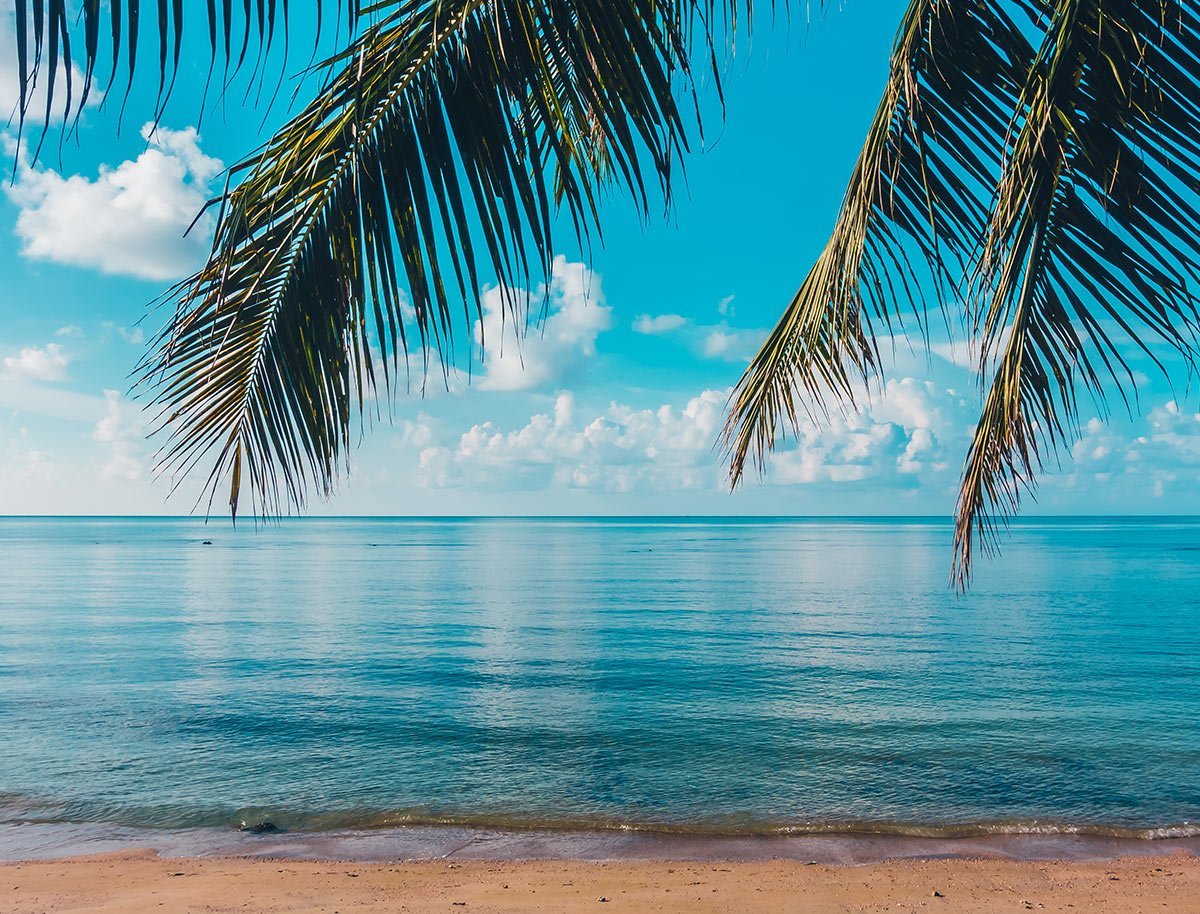
Picture your ideal beach vacation: warm sand, clear water, a good book, no crowds. Now picture the reality of famous beaches in July: towel-to-towel bodies, hour-long restaurant waits, and prices that make you wince. The gap between the dream and the default is planning. Learning how to plan a beach vacation that is not overcrowded isn’t about secret beaches (though those help) — it’s about timing, location strategy, and knowing where the crowds go so you can go elsewhere.
I’ve had blissful near-empty beaches and miserable packed ones, sometimes in the same country. The difference was never luck. Here’s the formula.
Timing Is Everything (The 80/20 of Uncrowded Beaches)
When you go matters more than where you go:
- Shoulder season is the answer. Late April–May and September–October in most Northern Hemisphere beach destinations: warm water, warm air, half the crowds, 30–50% lower prices. The Caribbean’s shoulder (May–June, November) dodges both peak prices and hurricane peak. Southeast Asia: avoid December–February peak; March–May is hot but empty.
- Avoid the trifecta: School holidays + weekends + peak season = maximum crowds. If you must travel in summer, go midweek — Tuesday–Thursday beach days are dramatically calmer than Saturday.
- Time of day matters: Even at popular beaches, 8–10 a.m. and after 4 p.m. are peaceful. The 11 a.m.–3 p.m. crush is when day-trippers peak. Early morning beach walks might be the best part of your trip.
How Do I Plan a Beach Vacation That Is Not Overcrowded? Location Strategy
Pick the second-tier destination
The famous beach town has a quieter neighbor 30 minutes away — always. Instead of Cancún, try Isla Mujeres or the Costa Maya. Instead of Waikiki, try the North Shore or Lanikai. Instead of the Amalfi Coast in August, try Puglia or Sicily’s southern coast. The pattern: fame concentrates crowds; 30 minutes of distance disperses them. Research the “alternative to [famous place]” — travel forums are full of these comparisons.
Choose the right beach within the destination
- Walk 10–15 minutes from the access point. Crowds cluster near parking lots, hotels, and entrances. A short walk along any beach thins people exponentially — it’s the simplest crowd-avoidance trick in existence.
- Look for beaches without facilities. No restrooms, no food stands = no tour buses = no crowds. Bring your own supplies (the trade-off is worth it).
- Check the far ends: The ends of long beaches are always quieter than the middle.
- Ask locals: “Which beach do YOU go to?” — the local beach is never the tourist beach. (See avoiding tourist traps for the general principle.)
Consider the truly uncrowded options
- US Gulf Coast beyond Florida’s hotspots: Alabama’s Gulf Shores, Mississippi’s coast — beautiful white sand, fraction of Florida crowds and prices.
- The Outer Banks, NC (shoulder season): Miles of beach, wild horses, genuinely peaceful off-peak.
- Lake beaches: The Great Lakes have spectacular beaches (Sleeping Bear Dunes, Pictured Rocks) with none of the ocean-destination crowds.
- Offshore islands: Islands requiring a ferry naturally limit crowds — Dry Tortugas, Channel Islands, Cumberland Island.
Booking and Logistics for Quiet Trips
- Stay in vacation rentals over resorts in quiet areas — resorts concentrate people; a rental on a residential street disperses you into local life. (See booking lodging for the lowest price.)
- Rent a car. Uncrowded beaches are uncrowded partly because they’re harder to reach. A car opens up the 30-minutes-away beaches that buses don’t serve.
- Pack for self-sufficiency: Cooler, shade (beach umbrella or pop-up tent), snacks, water, reef-safe sunscreen. Quiet beaches don’t have vendors — that’s the point.
- Check event calendars: A quiet town during its annual festival isn’t quiet. Google “[destination] events [your dates]” before booking.
For family beach trips specifically, the Florida family guide covers costs, and traveling with kids covers the sanity.
Beach Etiquette for Uncrowded Places (Keep Them Nice)
Quiet beaches stay quiet when visitors respect them: pack out all trash (including cigarette butts and bottle caps), respect dunes and nesting areas (roped sections are roped for reasons), keep noise reasonable, don’t feed wildlife, and use reef-safe sunscreen. The locals who shared their beach with you notice — be the visitor who gets welcomed back.
The Uncrowded Beach Day Packing List
Quiet beaches don’t have vendors or rentals — self-sufficiency is the price of solitude. Pack:
- Shade: Beach umbrella or pop-up tent (non-negotiable without natural shade — sunburn ruins trips)
- Seating: Beach chairs or thick blankets — sand-sitting gets old after an hour
- Cooler: Water (more than you think — 1 liter/person/half-day minimum), drinks, lunch, snacks, ice
- Protection: Reef-safe sunscreen (apply before leaving, reapply every 2 hours), hats, sunglasses, rash guards for kids
- Comfort: Towels (2 per person — one for drying, one for sitting), change of clothes in a dry bag, baby powder (removes sand from skin like magic)
- Fun: Snorkel gear, frisbee, beach reads, waterproof phone pouch, kite
- Safety: Small first-aid kit, phone charged, tell someone your beach location, check tide and rip current info
- Leave-no-trace: Trash bags (pack out everything, including food scraps), reusable everything
The list looks long; it fits in one car load and sets up in 15 minutes. And the reward — a beautiful beach with space to breathe — is worth every item. The crowded beach needs nothing because everything’s for sale; the quiet beach needs everything because nothing is. Choose wisely.
Before you swim, check water quality: the EPA’s beach advisory site tracks advisories and closures for US beaches, and most states publish their own testing results.
Beach Days With a Dog
Dogs love uncrowded beaches even more than people do — and quiet beaches are usually the dog-friendly ones. Before bringing yours: verify the beach allows dogs (many restrict to off-leash hours or specific zones; some ban them entirely — check the local ordinances, not just a blog). Bring fresh water and a bowl (salt water dehydrates and sickens dogs), a shade option, and poop bags (pack them out — every time). Watch for hot sand burning paw pads (if it’s too hot for your bare feet, it’s too hot for theirs), and rinse salt and sand off afterward. A tired, sandy, happy dog asleep in the car on the way home is one of travel’s purest joys — and the empty beach is the only place it really works.
The Takeaway
Planning a beach vacation that is not overcrowded means: traveling in shoulder season (or midweek), choosing second-tier destinations 30 minutes from the famous ones, walking 15 minutes from access points, asking locals for their beach, and packing for self-sufficiency. The dream beach — warm sand, clear water, space to breathe — isn’t a fantasy or a fortune. It’s just a matter of going where the crowds aren’t, when they aren’t there. Start with the timing; everything else follows.





2 Comments