
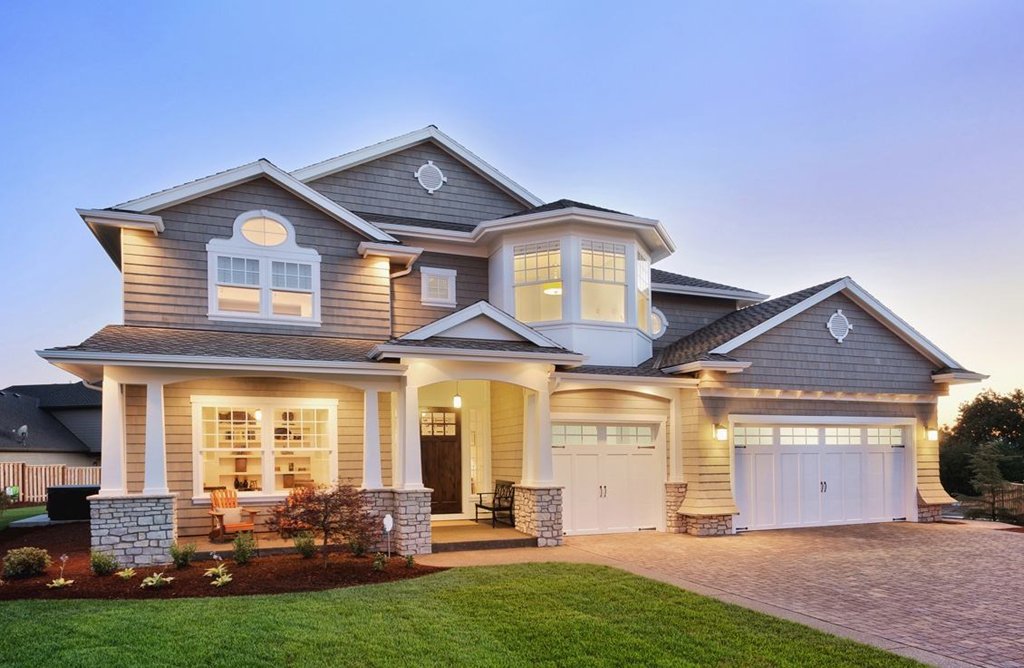
You’re selling your house, and every dollar you spend on pre-sale upgrades needs to come back at closing — ideally multiplied. The remodeling industry publishes cost-vs-value data every year, and the pattern is remarkably consistent: the upgrades that pay off aren’t the flashy ones. They’re the boring, high-impact basics that make buyers feel “this place is cared for.” Here are the simple upgrades that increase home value before selling, ranked by return on investment.
1. Paint Everything a Neutral Color (ROI: ~100%+)
Fresh neutral paint is the undisputed champion of pre-sale upgrades. It costs $1,000–$3,000 for a professional whole-house job (or a few hundred DIY), and it transforms how buyers perceive every room. Bold personal colors — the red dining room, the purple bedroom — actively shrink your buyer pool. Go with warm whites, light grays, or greige throughout. It’s the cheapest way to make the house feel clean, modern, and move-in ready. If you’re doing rooms yourself, our breakdown of bedroom repaint costs helps you budget accurately.
2. Boost Curb Appeal (ROI: up to 200%+)
Buyers decide how they feel about your house in the first 10 seconds — from the curb, before they step inside. The fixes are cheap:
- Mulch the beds and edge the lawn ($50–$150)
- Paint or replace the front door — a new steel door is one of the highest-ROI projects in existence
- Update house numbers, mailbox, and porch light fixtures ($50–$100 total)
- Power-wash the siding, driveway, and walkways (rent a washer for ~$75/day)
- Add simple symmetrical planters flanking the entrance
Our full list of cheap curb appeal upgrades goes deeper — this category punches absurdly above its weight.
3. Fix Everything That’s Broken (ROI: Priceless)
Dripping faucets, running toilets, cracked tiles, sticky doors, dead outlets — buyers (and their inspectors) notice every single one, and each unfixed item whispers “what else is wrong?” A $200 handyman visit to fix the obvious stuff prevents thousands in buyer-negotiated discounts. Walk through your house with fresh eyes — or better, a brutally honest friend — and make the list. Fix the leaky faucet, silence the squeaky floors, repair the running toilet. None of it’s glamorous; all of it matters.
4. Refresh the Kitchen Cosmetically (ROI: 70–80%)
Full kitchen remodels rarely pay for themselves at resale, but cosmetic refreshes absolutely do. Paint the cabinets, swap the hardware, update the faucet and lighting, and add a simple backsplash. $500–$1,500 total transforms the most-scrutinized room in the house. Our guide to cheap kitchen updates is basically a pre-sale playbook. What not to do: install a $15,000 kitchen in a $250,000 house. You’ll never see it back.
5. Update Lighting and Fixtures (ROI: High)
Dated brass chandeliers, buzzing fluorescents, and 1990s ceiling fans age a house instantly. Swapping the most visible fixtures — entryway, dining room, kitchen — for clean modern ones costs $200–$500 and modernizes the whole feel. Same for switch plates and outlet covers: aged ivory plastic screams old; fresh white is $20 for the whole house.
6. Deep Clean Like You Mean It (ROI: Infinite)
Professional deep cleaning ($200–$400) or a serious DIY weekend: grout scrubbed clean, windows washed inside and out, carpets professionally cleaned, every surface decluttered. Cleanliness signals maintenance, and maintenance is what buyers are really buying. This is the highest-ROI “upgrade” there is because the cost is mostly elbow grease.
7. Minor Bathroom Touch-Ups (ROI: 60–70%)
Re-caulk the tub, replace the toilet seat, swap the mirror and light fixture, add fresh towels and a plant. $150–$300 makes a tired bathroom feel cared for. Skip the full gut renovation — the Remodeling Magazine Cost vs. Value Report consistently shows minor bath remodels outperforming major ones at resale.
What NOT to Do Before Selling
- Don’t over-improve for the neighborhood. The nicest house on the block doesn’t appraise like it — cap upgrades at the area’s standard.
- Don’t do major additions. They take months and rarely return cost at sale.
- Don’t install a pool. It narrows your buyer pool and rarely adds value equal to cost.
- Don’t go trendy. Bold, taste-specific choices (barn doors everywhere, all-gray everything) age fast. Neutral and timeless wins.
- Don’t hide problems. Fresh paint over water damage will be found by inspectors and kill deals. Fix, don’t conceal.
The $100 Weekend Blitz (If You’re Short on Time)
Closing in two weeks and no time for projects? The highest-impact $100 you can spend: a deep clean of the entryway and kitchen, fresh mulch in the front beds ($40), a new doormat and house numbers ($30), and bright daylight bulbs throughout ($30). Then declutter ruthlessly — rent a storage unit for a month ($50–$75) if you must and get half your stuff out of the house. Buyers can’t see past clutter, and no upgrade overcomes a house that feels cramped.
For showings specifically: bake something (or simmer cinnamon and vanilla on the stove — the classic trick works), open all blinds and turn on every light, set the thermostat to a comfortable 70°F, and leave. A bright, clean, good-smelling house with clear surfaces sells itself; the upgrades just remove objections. The weekend blitz won’t replace real improvements, but it captures a surprising share of the benefit for almost no money.
Selling? What Buyers Notice (and What They Don’t)
If a sale is on the horizon, know what actually moves buyers. They notice: the front door, the entryway, kitchen surfaces, bathroom cleanliness, and overall light and space. They don’t notice: your premium paint brand, the under-cabinet lighting you love, or the organizational systems inside closets. Spend pre-sale money where eyes land in the first 60 seconds.
The showing-day checklist: all lights on, blinds open, beds made, counters clear, trash out, toilet lids down, a subtle pleasant scent (not plug-in overkill), and you — gone. Buyers can’t picture their life in your house while you’re in it. And price it right the first time: the data is unambiguous — homes priced correctly sell faster and for more than homes that start high and reduce. An extra 2% from correct pricing dwarfs every upgrade on this list.
The Bottom Line
The simple upgrades that increase home value before selling are paint, curb appeal, repairs, cosmetic kitchen/bath refreshes, fixture updates, and deep cleaning — roughly $2,000–$5,000 total for a transformation that can add $10,000–$20,000+ to your sale price. Spend money where buyers look (first impressions, kitchens, bathrooms) and where inspectors look (everything functional). The goal isn’t your dream house — it’s the house that makes buyers compete.






One Comment