
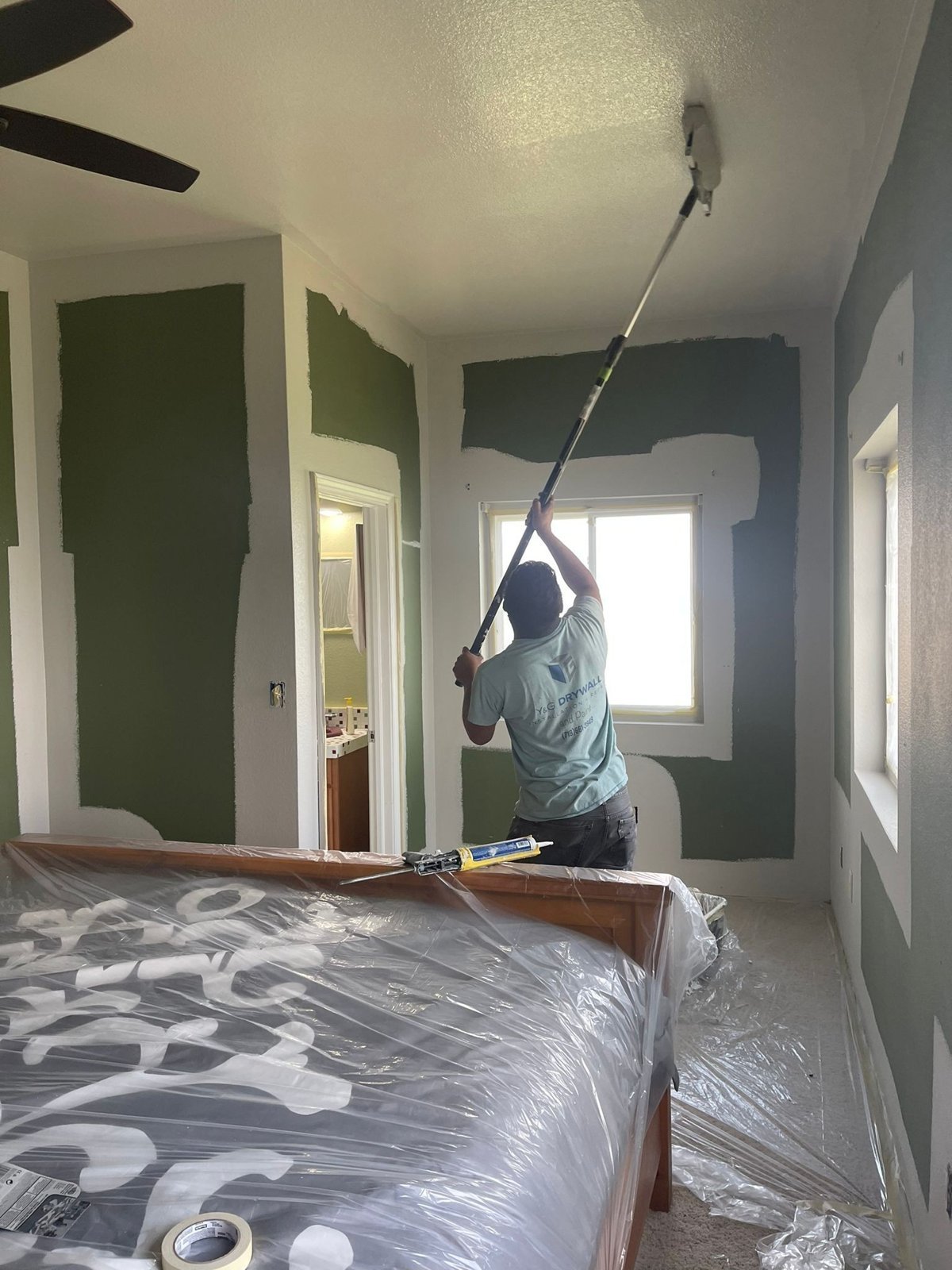
Repainting a bedroom is one of those projects that sounds cheap until you’re standing in the paint aisle doing mental math with a cart full of supplies. So how much does it cost to repaint a single bedroom? For a standard 12×12 bedroom, most homeowners spend between $200 and $600 doing it themselves, or $500 to $1,200 hiring a professional. The range is wide because paint quality, wall condition, and ceiling/trim work change everything. Let me break down where the money actually goes.
DIY Costs: The Honest Breakdown
Doing it yourself is dramatically cheaper, but the costs add up beyond the paint cans. For one average bedroom:
- Paint: $60–$150. You’ll need about 2 gallons for two coats on walls (roughly $30–$75 per gallon depending on quality). Don’t cheap out here — better paint covers in fewer coats.
- Primer: $25–$40 for a gallon, if needed (see below).
- Supplies: $50–$100. Rollers, brushes, painter’s tape, drop cloths, paint tray, extension pole, spackle, sandpaper. If you already own basics, this drops fast.
- Ceiling paint: $30–$50 extra if you’re doing the ceiling too (one gallon usually covers it).
Realistic DIY total: $200–$400 if you’re starting from scratch on supplies, under $150 if you already own the gear and just need paint. The paint itself is only about half the first-timer’s cost — it’s the supplies that surprise people.
Professional Costs: What You’re Paying For
Hiring a painter for a single bedroom typically costs $500–$1,200 depending on your market, with most quotes landing around $700–$900 for walls plus ceiling and trim. High-cost cities push past $1,200; small towns can be under $500.
What drives the price up or down:
- Wall condition. Holes, cracks, and peeling paint mean prep work, and prep is where pros earn their money. Heavy prep can add $200+.
- Ceilings and trim. Walls-only is cheapest. Adding ceiling and trim/doors can add 40–60% to the quote.
- Color changes. Going from dark to light (or vice versa) usually needs primer plus an extra coat — more labor, more paint.
- Furniture. An empty room is faster to paint. If the painter has to move and mask everything, expect a surcharge.
- Height. Vaulted or 10-foot ceilings mean more ladder work and higher quotes.
Get at least three quotes, and be suspicious of any bid dramatically lower than the others — that’s usually a sign of skipped prep or thinned paint.
Do You Need Primer? (How Much Does It Cost to Repaint a Single Bedroom Without It?)
Skipping primer saves $25–$40 and a few hours, but only skip it when it’s genuinely unnecessary. You need primer when:
- You’re painting over a much darker color
- The walls are new, patched, or repaired drywall
- You’re covering stains, smoke damage, or glossy paint
- Switching from oil-based to latex paint
Same color, clean walls in good shape? A quality paint-and-primer-in-one handles it. Our full explainer on primer vs. regular paint goes deeper on when each makes sense.
How to Keep the Cost Down
A few proven money-savers:
- Buy mid-tier paint, not the cheapest. Bargain paint often needs three coats, which costs more in the end than two coats of good paint.
- Do the prep yourself even if hiring a pro for the painting — moving furniture, taping, and patching holes yourself can shave $100–$200 off a quote.
- Paint in the off-season. Late fall and winter are slow for painters; you can negotiate better rates.
- Check mistinted paint. Hardware stores sell returned custom colors for 50–75% off. If you’re flexible on shade, it’s a steal.
- Don’t skip the second coat to save money — thin, streaky walls will bother you every day and cost more to fix later.
And avoid the classic blunders that waste paint and time — our list of common painting mistakes will save you a return trip to the store.
Choosing the Right Color for a Bedroom
Since you’re spending the money anyway, pick a color you’ll love living with. Bedrooms do best with calming tones — soft blues, warm grays, sage greens. If the room is small, lighter colors open it up; our guide to paint colors that make small rooms feel larger has specific shade recommendations. Always test with a sample quart on the wall and live with it for two days — paint looks completely different in morning versus evening light.
Hiring a Painter: How to Get Good Value
If you’re going pro, the spread between a good and bad experience is wide. Get three written quotes minimum, and make sure each specifies the same scope — walls only, or walls plus ceiling and trim? Same paint brand and line? Prep work included? Vague quotes lead to vague results.
Ask each painter: how they protect floors and furniture, whether they caulk and fill before painting (not just paint over problems), how many coats they apply, and what their touch-up policy is. Check recent reviews and ask for a reference from the last month — not three years ago. A good painter is usually booked 2–4 weeks out; anyone available tomorrow in peak season is a red flag, not a bargain.
On price: the middle bid is usually the right one. The lowest bidder cuts corners you’ll discover in six months; the highest is often just busy. And never pay more than 30–40% upfront — reputable painters don’t need your deposit to buy paint. For technique details that help you evaluate their work, This Old House’s painting guides show what proper prep and application look like.
Paint Disposal and Leftover Management
You’ll have leftover paint — handle it right. Latex paint: dry it out (kitty litter or commercial hardener) and it goes in regular trash in most municipalities; never pour it down drains. Oil-based paint: hazardous waste — take it to your local collection event. Keep a labeled quart of the wall color for touch-ups (room name + date on the lid), stored in climate-controlled space — garage heat ruins paint within a year or two.
The Bottom Line
How much does it cost to repaint a single bedroom? Budget $200–$400 for DIY or $700–$900 for a pro in most markets. The paint quality and wall prep matter more than the brand name, and doing your own prep work is the easiest way to cut costs without cutting corners. It’s one of the highest-impact, lowest-cost upgrades you can make — a weekend, a few hundred dollars, and the room feels brand new.






2 Comments