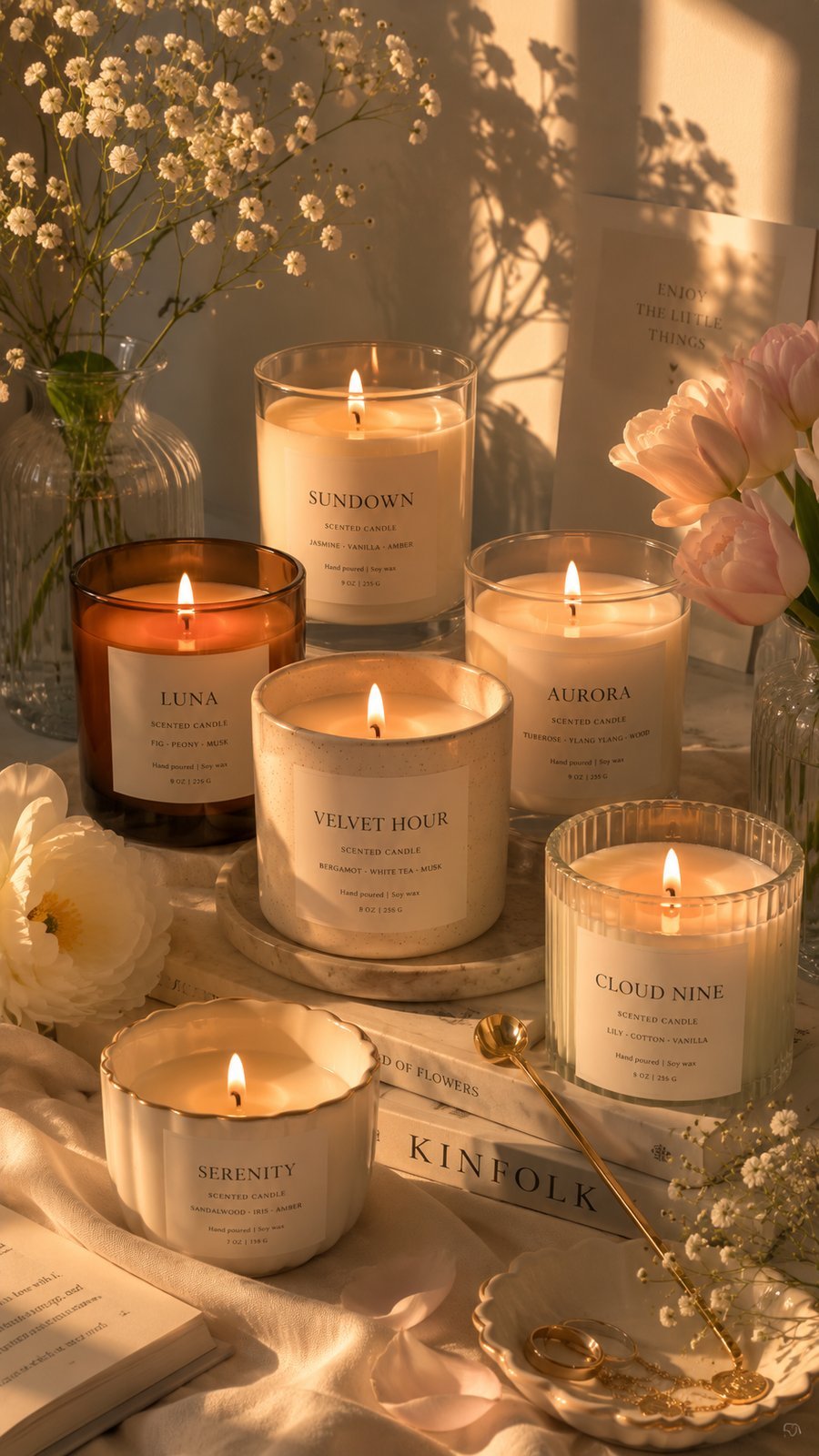
Walk into someone’s home and it smells incredible — warm vanilla, fresh linen, something citrusy — and you immediately think they must spend a fortune on fancy candles. Nope. Making your home smell amazing on a budget is one of the easiest, cheapest upgrades in domestic life. Most of what works costs pennies per use, and half of it is probably in your kitchen right now.
I’ve tested the expensive diffusers, the $40 candles, and the drugstore sprays. The budget methods below outperformed most of them. Here’s the full playbook.
First: Eliminate Before You Add
This is the step everyone skips, and it’s the most important. No scent product can out-perform a source of bad smell — it just creates “trash + lavender,” which is worse. Before adding fragrance:
- Take out all trash and recycling (including the bathroom bins everyone forgets)
- Clean the drains — pour baking soda + vinegar down kitchen and bathroom drains, flush with hot water
- Wash the soft stuff — curtains, throw pillow covers, pet beds, and rugs trap odors relentlessly
- Check the fridge and garbage disposal — half a lemon down the disposal works wonders
- Open windows for 15 minutes, even in winter — stale air is the enemy
A clean-but-unscented home beats a scented-but-dirty one every time. This is also where a cleaning schedule that fits a busy life pays off — regular maintenance prevents the deep odors that are hard to fix.
How Can I Make My Home Smell Amazing on a Budget? The Stovetop Simmer Pot
The single best budget method, full stop. Fill a pot with water, add aromatics, simmer on low. Your whole house smells incredible for hours, and the ingredients cost next to nothing:
- Classic cozy: sliced orange + cinnamon sticks + whole cloves + a splash of vanilla
- Fresh and clean: lemon slices + rosemary sprigs + a few drops of vanilla
- Fall/winter: apple slices + cinnamon + star anise + cranberries
- Spring: sliced cucumber + mint + lemon
Keep it on low, top up water as needed, never leave it unattended. One simmer pot covers an open-plan main floor easily. Total cost: under a dollar using scraps and pantry spices. I’ve had guests ask what “expensive candle” I was burning. It was an orange and some cinnamon.
DIY Sprays and Fresheners (Pennies Per Bottle)
- All-purpose room spray: 1 cup water + 2 tablespoons vodka or witch hazel (helps scent disperse) + 20–30 drops essential oil. Shake before each use. Lavender for bedrooms, citrus for living areas, eucalyptus for bathrooms.
- Fabric refresher: Same base, lighter on the oil (10–15 drops). Mist curtains, upholstery, and carpets. Way cheaper than the name-brand blue bottle.
- Baking soda deodorizer: Sprinkle on carpets and pet beds, wait 30 minutes, vacuum. For trash cans and fridges, an open box does the job continuously.
- Coffee grounds: A small bowl of fresh grounds in the bathroom or near the litter box absorbs odors surprisingly well.
Essential oils are the one thing worth buying — a $10 bottle lasts months at these dilutions. Buy from reputable brands (purity matters for both scent and safety, especially around pets — some oils are toxic to cats and dogs, so check before diffusing).
The strategic cotton ball trick
Put 2–3 drops of essential oil on cotton balls and tuck them where smells hide: inside trash cans (under the bag), behind toilets, in closets, in shoe cubbies, inside vacuum cleaner bags (so vacuuming releases scent). This is targeted warfare, and it costs almost nothing.
Long-Game Moves: Make Good Smell the Default
Quick fixes are great, but a home that stays fresh needs systems:
- Ventilate daily. Even 10 minutes of open windows resets indoor air. Cooking smells, pet odors, and general staleness accumulate without airflow.
- Wash bedding weekly. You spend 8 hours a night in it — it should smell like laundry, not like… you.
- Use your exhaust fan. Every time you cook. The fan exists to remove cooking odors before they settle into fabrics.
- Grow fragrant plants. Jasmine, gardenia, eucalyptus, herbs like rosemary and mint — living air fresheners that also look great. Start with indoor plants for beginners if you’re new to plant care.
- Keep a “smell kit” by the door. A candle or spray you light/spritz 10 minutes before guests arrive. First impressions are olfactory.
What About Candles and Diffusers?
Honest take: mid-range candles ($10–15) from places like Target or TJ Maxx perform nearly as well as $40 luxury ones for everyday scent. Burn them correctly — trim the wick to ¼ inch, let the wax melt edge-to-edge on first burn to prevent tunneling — and one candle lasts weeks. Reed diffusers are great for bathrooms and entryways where you can’t watch a flame; flip the reeds weekly to refresh.
Skip plug-in air fresheners if anyone in the house has asthma or sensitivities — they can irritate airways. The EPA’s indoor air quality guidance is worth reading if anyone in your home is sensitive to fragrances.
Seasonal Scent Rotation
Rotating scents with the seasons keeps your home feeling fresh and intentional all year. Here’s a simple rotation using the budget methods above:
- Spring: Lemon + rosemary + mint simmer pots; fresh-cut herb bundles hung in the kitchen; open windows as often as weather allows. Clean, green, renewing.
- Summer: Citrus + basil simmer; eucalyptus sprigs hung in the shower (the steam releases the scent — a spa trick that costs $3); ocean-breeze or linen DIY sprays on curtains.
- Fall: Apple + cinnamon + clove simmer pots; vanilla-cinnamon DIY spray; the classic — actually baking something, which perfumes the house better than any product.
- Winter: Orange + cinnamon + star anise + cranberry simmer; pine or cedar essential oil on cotton balls near entryways; beeswax candles for a warm honeyed background.
Buy essential oils seasonally (one or two per season, $10–15 total per year) and lean on kitchen scraps for simmer pots. The rotation itself becomes a ritual — when the fall simmer pot goes on, the season has officially changed, and the house agrees.
The Takeaway
Making your home smell amazing on a budget is mostly about eliminating odor sources first, then layering cheap methods: simmer pots for impact, DIY sprays for maintenance, cotton balls for trouble spots, and ventilation as the daily foundation. Total monthly cost: a few dollars. The result: a home that smells like you have your life together — even on the weeks you definitely don’t.