
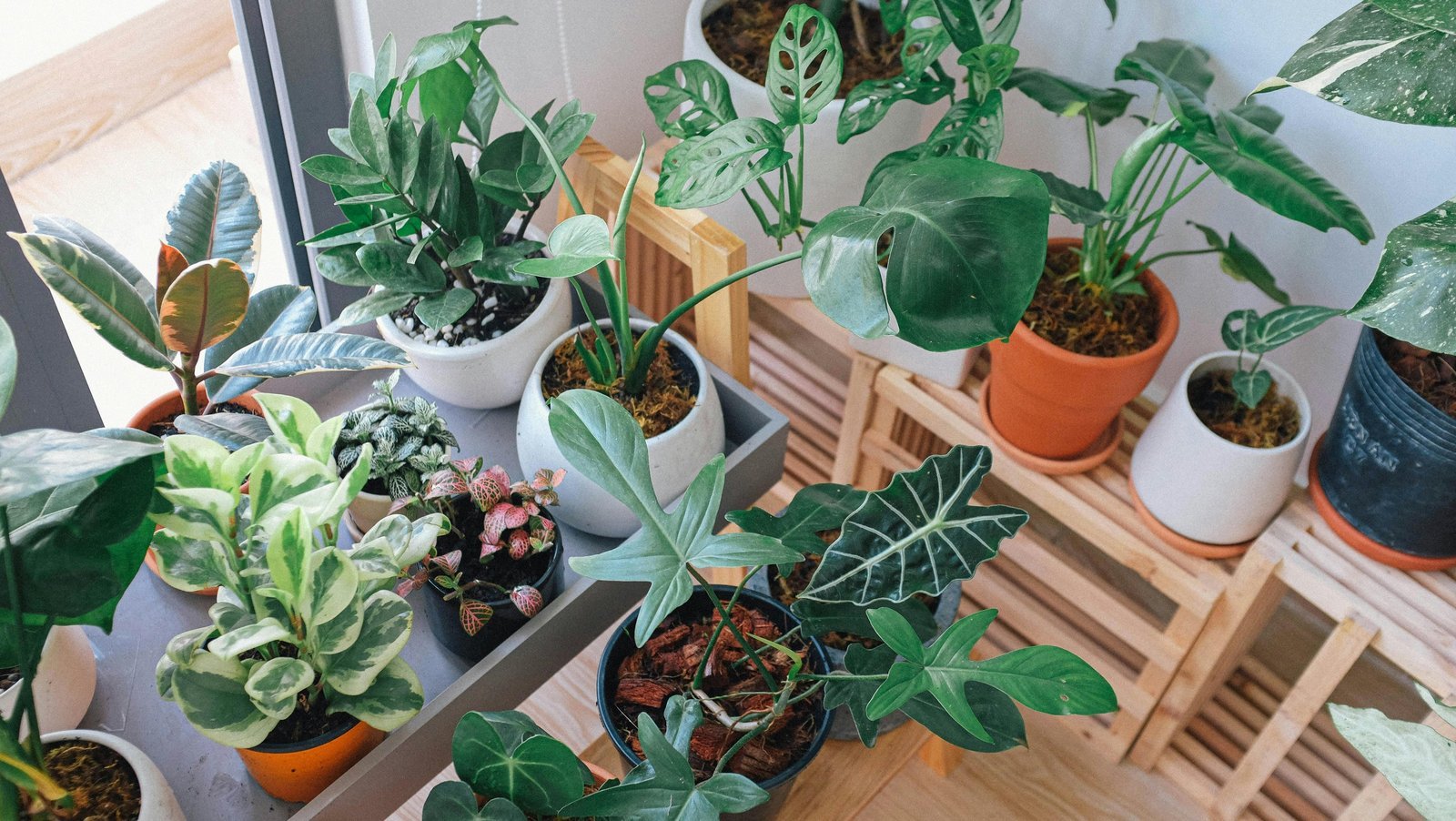
Every plant person started by killing something. Usually a fern, sometimes something expensive, always with genuine confusion about what went wrong. If you’re wondering what the best indoor plants for beginners with no experience are, here’s the good news: some plants are practically designed for neglect, low light, and forgetful watering. You don’t need a green thumb — you need the right plants and about five minutes of knowledge.
I’ve kept houseplants alive through moves, vacations, and a phase where I definitely overwatered everything out of love. The plants below survived all of it. Start here.
The Unkillable Five (Start With These)
1. Snake Plant (Sansevieria)
The cockroach of houseplants, and I mean that lovingly. Tolerates low light, bright light, missed waterings, and general indifference. Water every 2–3 weeks (less in winter), and it’s happy. Its upright, architectural leaves look genuinely stylish — this is the plant in every cool office lobby for a reason. Practically the only way to kill it is overwatering, so when in doubt, don’t.
2. Pothos (Devil’s Ivy)
The classic trailing plant that forgives everything. Survives low light (though it grows faster in bright indirect light), tells you when it’s thirsty (leaves droop slightly — water and it perks up within hours), and propagates absurdly easily: snip a stem below a node, stick it in water, get a free plant. Hang it, shelf it, let it climb — it’s versatile and nearly indestructible.
3. ZZ Plant
Glossy, sculptural, thrives on neglect. Stores water in its rhizomes, so it handles drought like a champ — water every 2–4 weeks. Tolerates the dim corner where nothing else survives. Slow-growing, which means it stays handsome without constant attention. If you travel frequently, this is your plant.
4. Spider Plant
Forgiving, fast-growing, and free plant babies — spider plants produce little plantlets you can pot up and gift. Likes bright indirect light and weekly watering, but bounces back from lapses. Also one of the better air-purifying reputations (with the usual caveats about what “air purifying” actually means at household scale).
5. Peace Lily
Dramatic in the best way: it visibly droops when thirsty and revives within hours of watering — a built-in reminder system for forgetful owners. Elegant white blooms, tolerates lower light, and communicates clearly. The only caveat: it’s toxic to cats and dogs if chewed, so skip it if you have curious pets.
What Are the Best Indoor Plants for Beginners With No Experience? The Five Rules That Keep Them Alive
Ninety percent of houseplant deaths come from violating one of these:
- Overwatering kills more plants than underwatering. This is rule one through five, honestly. Most beginners water on a schedule; instead, check the soil — stick your finger an inch deep. Dry? Water. Damp? Wait. When you water, water thoroughly until it drains out the bottom.
- Drainage is non-negotiable. Every pot needs drainage holes. No exceptions. Decorative pots without holes are for hiding nursery pots, not planting directly.
- Light matters more than you think. “Low light tolerant” doesn’t mean “no light” — it means survives, not thrives. Most beginners’ plants sit too far from windows. Bright indirect light (near a window, not in harsh direct sun) is the sweet spot for almost everything on this list.
- Leave them alone. Plants don’t need daily fussing. Repotting, fertilizing, misting, rotating — all occasional, not constant. Benign neglect beats anxious overcare.
- Start with 2–3, not 20. Learn on a few plants. Success with three builds the confidence (and knowledge) for thirty.
Beginner Mistakes to Skip
- Buying a fiddle-leaf fig first. They’re beautiful and famously finicky — the sports car of houseplants. Earn your stripes on pothos first.
- Misting instead of watering. Misting barely hydrates and can encourage fungal issues. Water the soil.
- Repotting immediately. Nursery pots are fine for months. Repot only when roots circle the bottom or growth stalls — and only one pot size up.
- Ignoring seasons. Plants grow in spring/summer and rest in fall/winter. Water less and skip fertilizer in the dormant months.
Where to Put Them (and Why It Matters for You Too)
Plants aren’t just decor — they genuinely change how a space feels. A snake plant in a boring corner, a pothos trailing off a bookshelf, a spider plant in the kitchen — small placements with outsized effect on coziness. They pair beautifully with a cozy reading nook or making a rental feel like home — renters especially, since plants are commitment-free decor.
Start with the light you have: bright window → almost anything on this list; medium light → pothos, peace lily, spider plant; dim corner → snake plant, ZZ. Match the plant to the spot, not the other way around.
Your First Plant Shopping List
Ready to start? Here’s exactly what to buy on your first plant run — nothing more:
- The plants (pick 2–3): 1 snake plant (the dim corner), 1 pothos (the shelf or hanging spot), and optionally 1 spider plant or peace lily (brighter spot). Total: $20–40 at any garden center or grocery store.
- Pots with drainage: If the nursery pots are ugly, get cover pots 1–2 inches wider — but keep the plant IN the nursery pot inside the cover pot. Simplest correct setup there is.
- A bag of indoor potting mix: One small bag ($6). You won’t need it for months, but having it removes the barrier when repotting day comes.
- A watering can with a narrow spout: $10, and it makes watering precise instead of splashy. Worth it.
- Skip for now: Fertilizer (not needed for months), misters (don’t help), moisture meters (your finger works), fancy grow lights (your window is fine for these plants).
Total first investment: $35–60. Place them, water once (thoroughly, let drain), then leave them alone for two weeks. Check soil with your finger before watering again. Congratulations — you’re a plant person now. The pothos cuttings you’ll be giving away in six months are proof.
The Takeaway
The best indoor plants for beginners are snake plants, pothos, ZZ plants, spider plants, and peace lilies — all forgiving, all attractive, all hard to kill if you follow the cardinal rule: check the soil before you water. Buy two or three, give them decent light and drainage, then mostly leave them alone. In six months you’ll be propagating pothos cuttings for friends and wondering why you ever thought you couldn’t keep plants alive. For authoritative care details on any species, the University of Minnesota Extension’s houseplant guides are excellent and free.





One Comment