
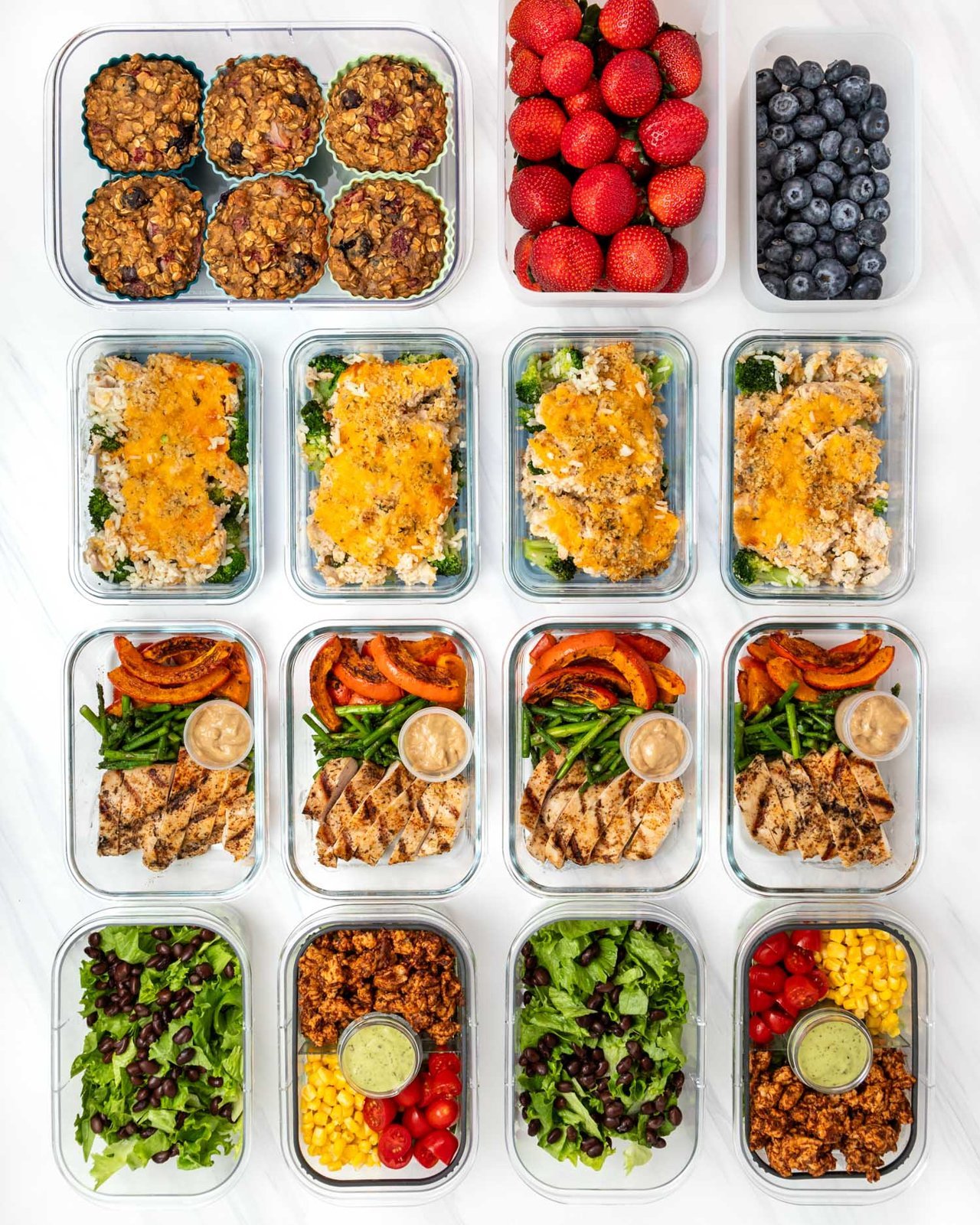
Meal prepping for one sounds economical — until you’re staring at a grocery receipt wondering how $90 disappeared for “just one person.” So how much does it cost to meal prep for a week for one person? Realistically, $40–$75 per week for balanced, home-cooked meals, with budget preppers hitting $30–$40 and organic-leaning preppers landing $80–$100. The huge range comes down to protein choices, how much you cook from scratch, and whether you’re strategic or improvising. Here’s the real math and how to keep it low.
The Honest Cost Breakdown
For one person eating 3 meals a day for 7 days (21 meals), here’s what typical spending looks like:
- Proteins: $12–$25/week. Chicken thighs, eggs, ground turkey, beans, and tofu are the budget all-stars. Chicken breast and salmon cost 2–3x more per pound — delicious, but they blow the budget fast.
- Grains and starches: $5–$10/week. Rice, oats, pasta, potatoes, tortillas — the cheapest calories in the store and the backbone of meal prep.
- Vegetables: $10–$18/week. Frozen vegetables are the budget prepper’s secret weapon (same nutrition, no waste, often $1/bag). Fresh for what you’ll eat in 3–4 days; frozen for the rest.
- Fruits: $5–$10/week. Bananas, apples, frozen berries — seasonal is always cheapest.
- Dairy/extras: $5–$10/week. Milk or alternatives, cheese, yogurt.
- Pantry amortized: $3–$5/week. Oils, spices, condiments bought in bulk and used over months.
Realistic total: $40–$75/week = roughly $2–$3.50 per meal. Compare that to $12–$18 per takeout meal or even $8–$12 for fast food, and meal prep saves a solo eater $100–$200+ weekly. The math is overwhelmingly in your favor.
Sample $50/Week Meal Prep Plan
Here’s what a real week looks like at the budget end:
- Breakfasts: Overnight oats (oats + milk + peanut butter + banana) — ~$0.80 each
- Lunches: Chicken thigh + rice + frozen broccoli bowls — ~$2.00 each
- Dinners: Rotating — turkey chili, pasta with meat sauce, stir-fry, sheet-pan sausage and vegetables — ~$2.50 each
- Snacks: Apples, carrots + hummus, popcorn — ~$0.50 each
Weekly total: ~$45–$55. The strategy: pick 2–3 proteins, 2–3 grains, and versatile vegetables that work across multiple meals. Repetition with variation (same chicken, different sauces) keeps costs low without boredom.
How to Keep Meal Prep Costs Down
- Build around sales and seasons. Check the weekly ad before planning, not after. A $0.99/lb chicken thigh week is a chicken week.
- Embrace the “cheap proteins”: eggs ($0.15 each), dried beans ($1/lb dry = ~6 cups cooked), chicken thighs, canned tuna, tofu. These are nutritional powerhouses at rock-bottom prices.
- Go frozen for produce you won’t eat in 3 days — zero waste, often cheaper, nutritionally equivalent. Proper vegetable storage helps fresh produce last well beyond the week.
- Cook grains in bulk. A rice cooker full of rice or a big pot of pasta costs pennies per serving and anchors a week of meals.
- Minimize waste ruthlessly. The average American wastes ~30% of food bought. For a solo prepper, that’s $15–$20/week in the trash. Our food waste reduction guide pays for itself.
- Limit the specialty ingredients. Every $6 jar of niche sauce used once is budget death. Build a small arsenal of versatile seasonings instead.
The USDA food price data confirms what preppers know: cooking at home costs roughly half of eating out, and the gap widens every year.
The Solo Prepper’s Advantages (and Traps)
Advantages: You cook exactly what you like, portions are simple, and you can repeat meals without complaints. Traps: produce spoiling before you finish it (buy smaller quantities, go frozen), recipe yields designed for four (halve them or embrace leftovers), and boredom (the #1 meal-prep killer — vary sauces and seasonings, not base ingredients).
Invest in good containers once ($25–$35 for a set) — glass with locking lids reheats better, lasts years, and doesn’t stain. It’s the only “equipment” meal prep truly requires.
Meal Prep Containers and Tools Worth Buying
You don’t need much equipment, but the right basics make prep dramatically easier. Containers: a set of 10–15 glass containers with locking lids ($30–$40) — glass reheats evenly, doesn’t stain, and lasts years; get a mix of single-compartment and divided. A good chef’s knife and cutting board: prep is 70% chopping, and a sharp $30 knife cuts prep time in half versus a dull one. Sheet pans (2 large): roast vegetables and proteins simultaneously — the highest-volume cooking method for the least effort.
A rice cooker ($25–$40): perfect rice with zero attention while you do everything else — the ultimate multitasking appliance for preppers. Slow cooker or Instant Pot: set-and-forget proteins (shredded chicken, chili, stew) that form the backbone of the week’s meals. Kitchen scale ($12): portioning by weight is faster and more consistent than measuring cups, especially for proteins.
Total one-time investment: $100–$150 for a setup that lasts years and saves that much monthly. Buy once, prep weekly, and the economics only improve.
Prepping for Special Diets on a Budget
Meal prep adapts well to dietary needs without blowing the budget. High-protein: lean into eggs, chicken thighs, Greek yogurt, and dried beans — the cheapest proteins are naturally high-protein. Vegetarian: dried lentils, chickpeas, and tofu are among the absolute cheapest foods in the store; a vegetarian prep week can hit $30–$40. Gluten-free: rice, potatoes, corn tortillas, and oats (certified GF) are all naturally gluten-free and cheap — the expensive GF products are the processed substitutes, which you don’t need when cooking whole foods.
Low-carb: pricier, honestly — meat and vegetables cost more than grains. Mitigate with eggs, chicken thighs, frozen vegetables, and cabbage (the cheapest low-carb vegetable by far). The universal rule: whatever the diet, whole foods beat specialty products on both price and nutrition. The “free-from” packaged versions are where budgets die.
The Bottom Line
Meal prepping for one person costs $40–$75 per week for real, balanced food — $2–$3.50 per meal versus $12+ for takeout. The formula: cheap proteins, bulk grains, frozen + seasonal produce, minimal waste, and containers you already own. Start with one prep day (Sunday, 2 hours), three recipes, and a grocery list built around sales. For more budget eating ideas, see our budget-friendly dinner ideas and healthy breakfast options — both scale perfectly to solo preppers.





3 Comments