Tires are the only part of your car that touches the road, yet they are the most neglected safety component. Worn tires dramatically increase stopping distances, hydroplaning risk, and blowout chances, contributing to thousands of crashes yearly. Most drivers replace tires too late, waiting for obvious failure rather than acting on measurable wear. Here is exactly when to replace them and how to check.
The Tread Depth Rules That Matter
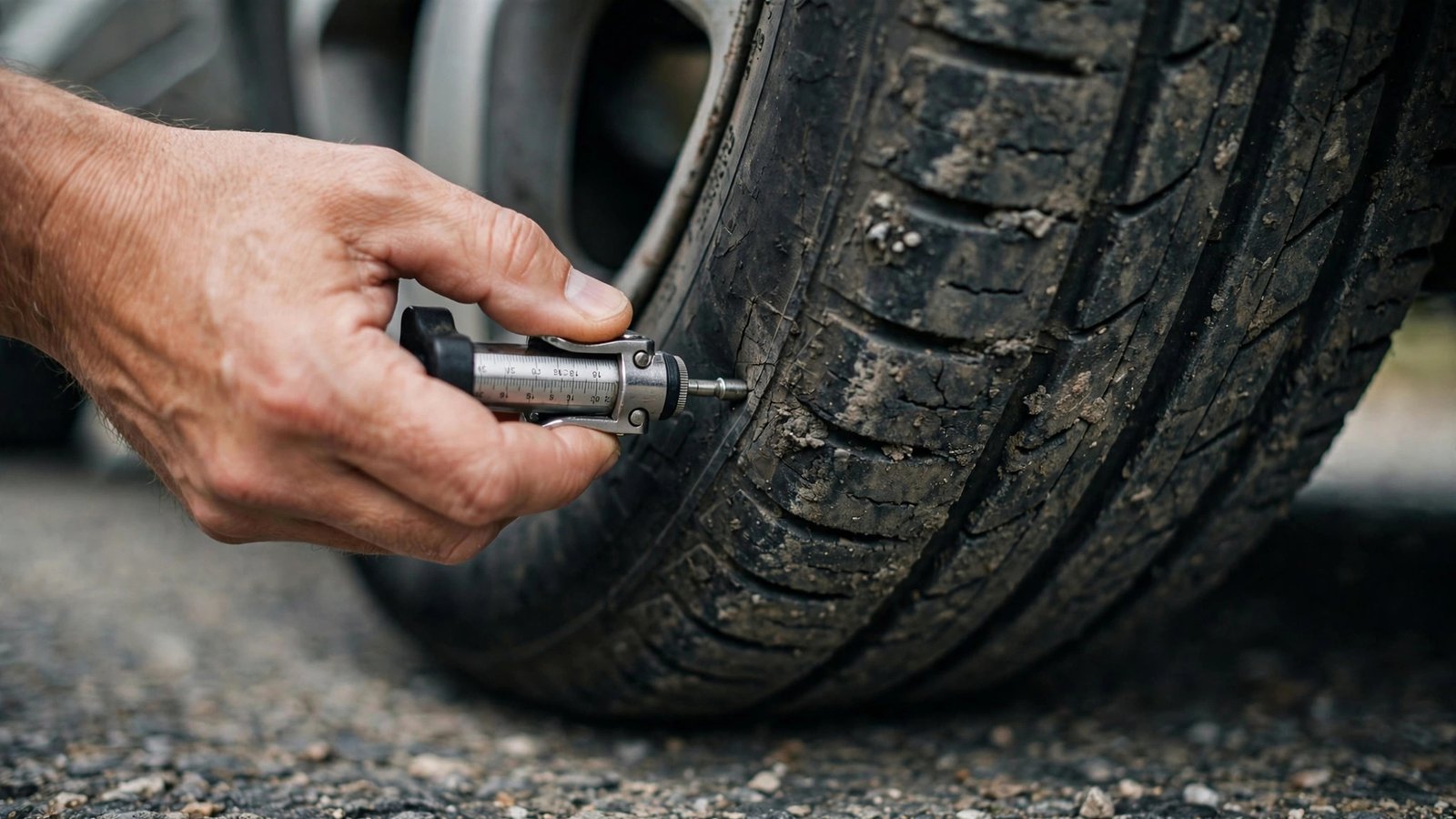
Tread depth is the primary replacement trigger. New tires start around 10/32 to 11/32 of an inch; the legal minimum in most states is 2/32, but safety experts recommend replacing at 4/32 for wet conditions because hydroplaning resistance drops sharply below that. The classic penny test: insert a penny upside-down into the tread; if you see all of Lincoln’s head, you are at or below 2/32 and need tires immediately. Better: use a $5 tread depth gauge for precise readings across each tire. Check multiple spots per tire, since uneven wear patterns reveal alignment or inflation problems. Measure the most worn area; tires are only as good as their worst section. Do not wait for the wear bars, the raised indicators at 2/32, to appear; by the time they are flush, you have been driving on compromised tires. NHTSA’s tire safety resources explain testing standards and maintenance requirements.
Age Limits: Old Tires Are Dangerous Tires
Rubber degrades with time regardless of tread remaining. Most manufacturers recommend replacing tires at six years from manufacture, with ten years as an absolute maximum regardless of appearance. Find the DOT code on the sidewall; the last four digits show the manufacture week and year (e.g., 2324 means week 23 of 2024). Spare tires age too, often unnoticed for a decade in trunks. Heat accelerates aging, making age limits especially important in hot climates. A tire with plenty of tread but eight years old can fail catastrophically because the internal structure has weakened invisibly. When buying used cars, check tire ages immediately; sellers rarely volunteer that the good-looking tires are ancient. If your tires are approaching six years, start budgeting for replacement even if tread looks fine.
Warning Signs You Should Never Ignore
Certain symptoms demand immediate attention. Visible damage, bulges, blisters, cuts, or embedded objects, means the tire’s structure is compromised; bulges especially indicate imminent blowout risk. Vibration at speed that was not there before often signals tire damage or separation. Uneven wear patterns, bald edges, center wear, or cupping, indicate inflation, alignment, or suspension problems needing correction with or before replacement. Frequent pressure loss in one tire suggests slow leaks or bead damage. Cracking or dry rot on sidewalls shows age degradation. Any of these warrant professional inspection immediately, not at your next oil change. A blowout at highway speed is among the most dangerous common car failures; the AAA’s automotive guidance covers emergency handling if one occurs. When in doubt, have tires inspected; the check is cheap, the consequences of ignoring problems are not.
How to Inspect Your Tires Like a Pro
Build a monthly five-minute inspection habit. Check pressure with a quality gauge when tires are cold, comparing against the driver’s door jamb placard, not the tire’s maximum; proper inflation is the single biggest factor in tire life and safety. Inspect tread depth at multiple points per tire. Look over sidewalls for damage, bulges, and cracking. Check for uneven wear indicating alignment or suspension issues. Do not forget the spare’s pressure and condition. Rotate tires per your owner’s manual schedule, typically every 5,000 to 8,000 miles, to even out wear. Keep a simple log of inspections; patterns over time reveal problems early. This habit takes less time than a coffee run and catches the issues that cause roadside emergencies. Before long journeys, add tire inspection to your prep alongside packing for a two-week road trip so worn tires never surprise you far from home.
Choosing Replacement Tires Wisely
When replacement time comes, choose correctly. Match the size, load index, and speed rating specified for your vehicle; deviating compromises safety and handling. Select the tire type for your actual conditions: all-seasons for moderate climates, dedicated winter tires where snow is regular (all-seasons are a compromise that winter tires beat decisively), performance tires only if you need them. Read independent test results rather than marketing; differences in wet braking between good and mediocre tires are measured in car lengths. Replace in axle pairs at minimum, all four ideally, since mismatched grip destabilizes handling. New tires go on the rear axle if only replacing two, counterintuitive but critical for stability. Budget realistically: quality tires cost more upfront but deliver better safety, longevity, and fuel economy. And break in new tires gently for the first few hundred miles as mold-release compounds wear off. Good snacks fuel good decisions on tire-buying trips; road trip snacks that stay fresh keep the errand pleasant.
Tire Pressure Monitoring Systems: Understanding TPMS
Since 2007, all new U.S. vehicles include tire pressure monitoring systems, but TPMS is a warning system, not a maintenance system. Direct TPMS uses sensors in each wheel to report actual pressures; indirect systems infer pressure from wheel speed differences. The dashboard light typically triggers only when pressure drops 25% below recommended, far below the level where efficiency and wear already suffer. Sensors have batteries lasting five to ten years and require replacement when they die, often discovered during tire changes. After rotations or replacements, systems may need relearning procedures. Do not rely on TPMS instead of manual checks; by the time the light illuminates, you have been driving compromised for a while. Think of TPMS as your backup alarm and your monthly gauge check as the primary system. Together they provide layered protection that neither offers alone.
Storing Tires Properly Between Seasons
Drivers using seasonal tire sets need proper storage to protect their investment. Clean tires before storing to remove brake dust and road grime that degrade rubber. Store in a cool, dry, dark place away from ozone sources like electric motors; UV and heat accelerate aging dramatically. Tires mounted on wheels should be stacked flat or hung; unmounted tires stand upright and should be rotated periodically to prevent flat-spotting. Use tire bags or covers to limit air exposure. Never store near solvents, fuels, or chemicals. Mark each tire’s position when removing so you can rotate properly at reinstall. Properly stored quality tires last their full age life; improperly stored ones can degrade in a single off-season. Seasonal swappers who store correctly effectively double their tires’ calendar life.
Conclusion
Replace tires at 4/32 tread depth for safety (2/32 legal minimum), at six years of age regardless of tread, and immediately upon any structural damage warning signs. Inspect monthly with a gauge and your eyes, maintain proper inflation, rotate on schedule, and choose replacements matched to your vehicle and climate. Tires are not the place to economize on attention; they are the four patches of rubber between you and physics. Treat them accordingly.
Frequently Asked Questions
How do I check my tire’s age?
Find the DOT code on the sidewall; the last four digits indicate manufacture week and year (e.g., 2324 = week 23 of 2024). Replace tires at six years regardless of tread appearance.
Can I replace just one or two tires?
Replace at least in axle pairs, ideally all four. If replacing only two, put the new tires on the rear axle for stability, even on front-wheel-drive cars.
How often should I check tire pressure?
Monthly and before long trips, always when tires are cold. Use the pressure on the driver’s door jamb placard, not the tire sidewall maximum.
Are winter tires really necessary?
In areas with regular snow and freezing temperatures, yes. Dedicated winter tires dramatically outperform all-seasons in snow and ice; the safety difference is substantial.