
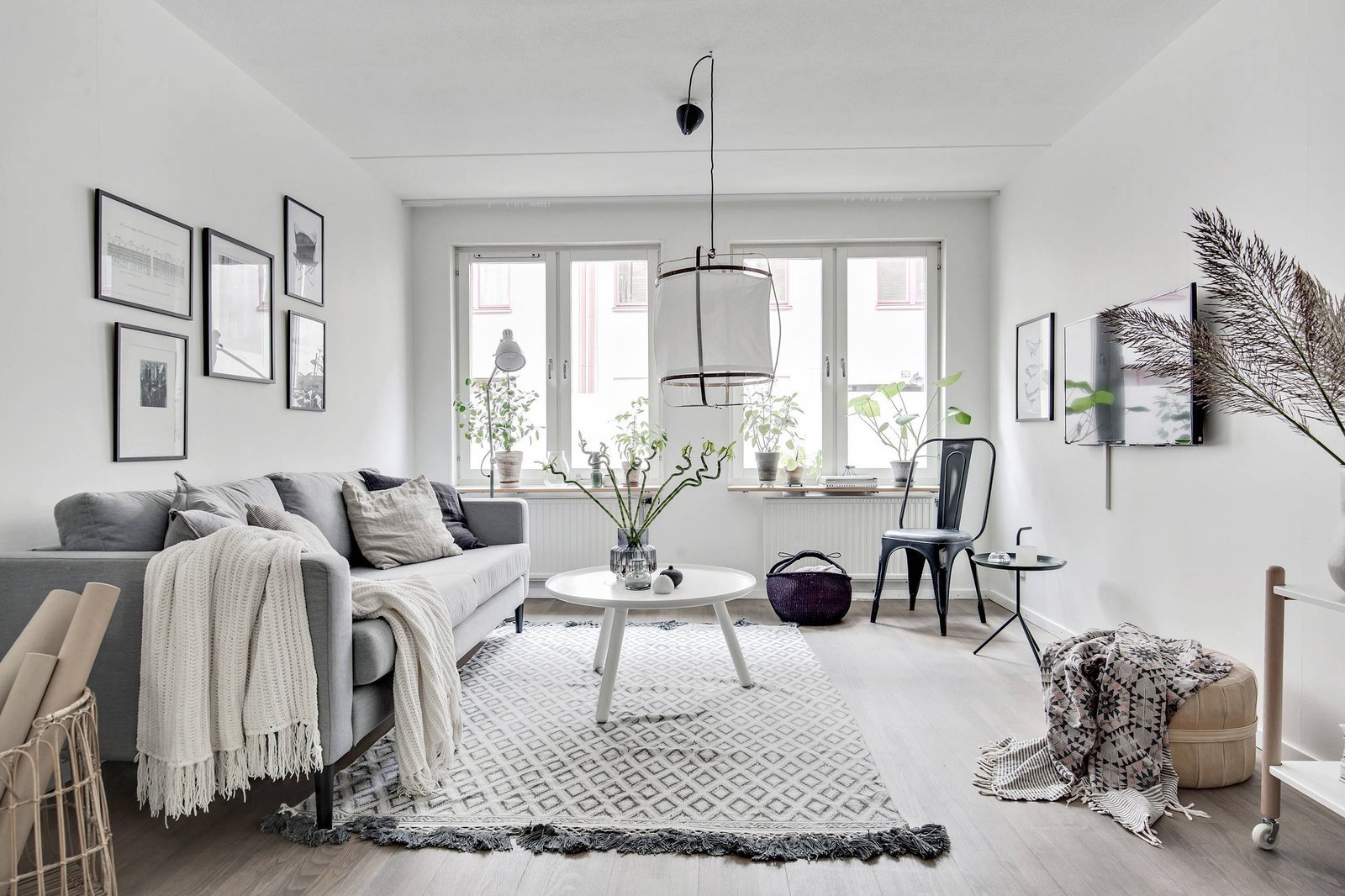
Minimalism has a PR problem. Mention it and people picture a white room, one chair, and a guy who owns three shirts lecturing you about freedom. That’s not minimalism — that’s a aesthetic influencer’s content strategy. Real minimalism is much simpler and much more useful: it’s the practice of deliberately keeping only what adds value to your life, so your time, money, and attention stop leaking into stuff that doesn’t matter.
So what is minimalism, really, and how do you start living with less without becoming insufferable about it? Here’s the grounded version.
What Minimalism Actually Is (and Isn’t)
Minimalism isn’t about owning as little as possible — it’s about owning exactly as much as serves you. A chef’s knife collection isn’t clutter to a chef. A library isn’t clutter to a reader. The question is never “how few things can I own?” It’s “does this earn its place in my life?”
What minimalism isn’t:
- A competition (no one cares about your item count)
- An aesthetic (your home doesn’t need to look like a gallery)
- Deprivation (it’s about choosing what you love, not punishing yourself)
- Only for single people in studios (families arguably benefit most)
At its core, minimalism is a decision-making framework: every possession should justify the space, maintenance, and mental bandwidth it costs you. Most things don’t survive that audit — and that’s the point.
What Is Minimalism and How Do I Start Living With Less? The Practical On-Ramp
Step 1: Clarify your “why”
Minimalism without a reason becomes just another organizing project you’ll abandon. What’s driving you? Less cleaning? Less debt? More time? A calmer mind? Write it down. When decluttering gets hard (and it will, around the sentimental stuff), your why is what keeps you going.
Step 2: Start with the easy wins
Don’t start with photo albums or your grandmother’s china. Start with the stuff that’s obviously junk:
- Expired medications, cosmetics, and pantry items
- Broken things you’ve been “meaning to fix” for a year
- Duplicates (how many water bottles does one person need?)
- Clothes that don’t fit, are damaged, or you haven’t worn in a year
- Cables, chargers, and manuals for devices you no longer own
This builds the decision muscle on low-stakes items. The method here mirrors decluttering without feeling overwhelmed — small zones, quick decisions, momentum over perfection.
Step 3: Do one category at a time
Once the easy wins are gone, work by category, not by room: all clothes, then all books, then all kitchen gadgets. Categories force you to confront the true volume — pulling every book you own into one pile is confronting in a way that tidying one shelf never is. For each item: keep what you use and love, release the rest.
Step 4: Address the inflow
Decluttering without changing buying habits is bailing water with a hole in the boat. The minimalist’s shopping questions:
- Do I already own something that does this?
- Will I still want this in 30 days? (The waiting rule)
- Where will it live? (No home = no purchase)
- Am I buying the thing or the feeling? (Boredom, stress, and celebration drive most impulse buys)
The Part Nobody Talks About: It’s Not Really About Stuff
Here’s what surprised me most: the stuff was the easy part. The real minimalism happened in my calendar, my commitments, and my digital life. The same “does this earn its place?” question applies to:
- Commitments: Obligations you dread but never decline
- Digital clutter: 47 open tabs, 3,000 unread emails, apps you never open — a digital declutter is often more relieving than the physical one
- Relationships: Not cutting people off — just being honest about which connections you actively nurture versus maintain out of guilt
- Information: News, feeds, and inputs competing for your attention (see reducing screen time)
Physical minimalism is the gateway. The deeper practice is curating your entire life with the same intentionality.
Minimalism With a Family (Yes, It’s Possible)
The objection I hear most: “easy for you, but I have kids.” Fair — but families drown in stuff faster than anyone, which means they benefit most. The rules adjust, not disappear:
- Model it; don’t impose it. Declutter your stuff visibly. Kids absorb the example.
- Involve kids in their own decluttering with choices, not orders (“pick 5 toys to donate so other kids can enjoy them”)
- Create clear homes for categories (one art supply bin, one toy shelf) — constraints teach naturally
- Ask for experiences over objects for birthdays and holidays — and tell grandparents the same
Start with shared spaces (living room, kitchen) where everyone benefits, and let private spaces follow at each person’s pace.
The 30-Day Minimalism Game
Want a structured on-ramp? Play the 30-day minimalism game (popularized by The Minimalists):
- The rules: On day 1, get rid of 1 item. Day 2, 2 items. Day 3, 3 items — and so on through day 30.
- The math: By day 30, you’ve removed 465 items from your home. Let that sink in — 465 things gone in a month.
- Play with someone: A partner, friend, or family member. Competition makes it fun; accountability makes it stick. Loser buys dinner.
- Anything counts: Donate, sell, recycle, trash — the destination doesn’t matter, the departure does.
- The first week is easy (junk drawer, expired stuff), week two gets real (clothes, duplicates), week three is the breakthrough (you start questioning everything), week four is freedom.
Can’t commit to 30 days? Try the 7-day sprint version (1 through 7 = 28 items). Or the reverse: the game works at any scale because the mechanism — daily decisions, escalating commitment — is what rewires your relationship with stuff. Start today. Day 1 is just one item.
The Takeaway
Minimalism is the ongoing practice of keeping what adds value and releasing what doesn’t — applied to stuff first, then to time, commitments, and attention. Start with obvious junk, work by category, fix the inflow, and let the philosophy spread naturally. You won’t end up in a white room with one chair. You’ll end up with a home that’s easier to clean, a budget with more breathing room, and — the real prize — more of your life spent on what you actually care about. For a deeper dive into the philosophy, Wikipedia’s overview of minimalism traces the movement’s roots well beyond the Instagram version.





One Comment