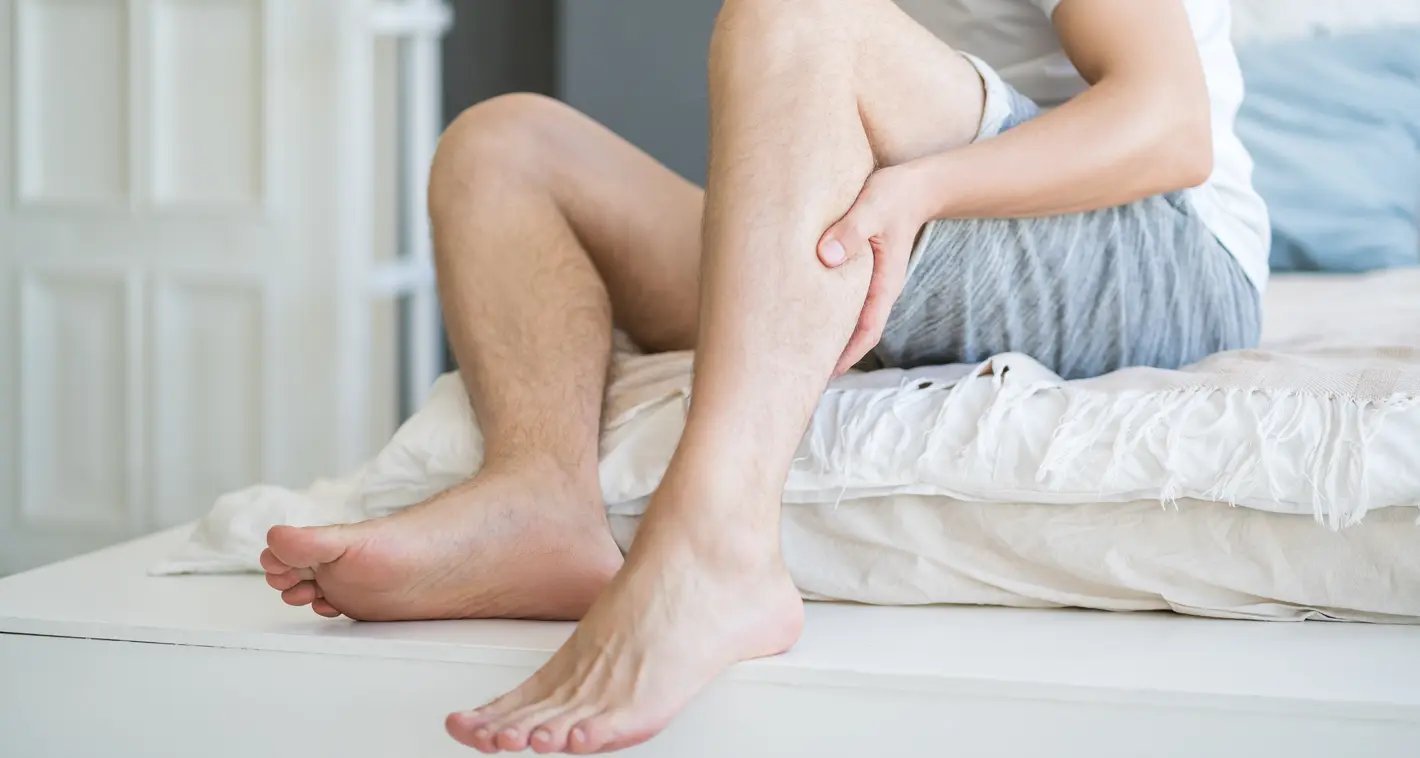
Few things are as rudely awakening as a calf cramp at 2 a.m. — that sudden, seizing pain that has you hopping around the bedroom clutching your leg. Nocturnal leg cramps hit up to 60% of adults at some point, and they get more common with age. If they’re visiting you regularly, here’s what’s going on and how to evict them. If you’re wondering what causes muscle cramps at night and how do I stop them, this guide gives you the straight, no-fluff answer.
The honest truth first: for most people, nighttime cramps are idiopathic — a medical word meaning ‘we don’t fully know why.’ But we know the major contributors, and addressing them resolves the problem for most sufferers.
The Main Culprits Behind Nighttime Cramps
Dehydration and electrolyte imbalance top the list. Your muscles need the right balance of sodium, potassium, magnesium, and calcium to contract and release properly. When you’re low on fluids or minerals — common if you exercise, drink alcohol, or just don’t drink enough water — muscles get twitchy and prone to seizing. This is why cramps often strike after hot days or workouts. National Institutes of Health muscle cramp information
Medications are the underappreciated cause. Diuretics, statins, and some blood pressure drugs list muscle cramps as a side effect, and many sufferers never connect the two. If your cramps started around the time you began a new medication, that’s a conversation for your doctor — don’t stop the drug, but do mention the timing. Prolonged sitting or standing during the day and overexertion of leg muscles round out the usual suspects.
- Dehydration: the #1 contributor — even mild dehydration makes muscles cramp-prone.
- Electrolyte imbalance: low potassium, magnesium, or calcium disrupts normal muscle function.
- Medications: diuretics, statins, and some BP drugs commonly cause cramps — check timing.
- Muscle overuse or underuse: both marathon days and couch days can trigger nighttime cramps.
- Pregnancy: extremely common in the second and third trimesters due to mineral demands.
How to Stop a Cramp When It Strikes
When a cramp hits, your instinct is to curl up — do the opposite. For a calf cramp, straighten your leg and pull your toes toward your shin; this stretches the seizing muscle and usually releases it within a minute. Standing and putting weight on the leg works too. For a thigh cramp, stand and pull your foot toward your buttock (for front-thigh) or sit and straighten the leg (for hamstring).
Once it releases, gently massage the muscle and apply warmth — a warm towel or heating pad helps it fully relax. Walking around for a minute restores normal blood flow. Whatever you do, don’t just lie there hoping it passes; active stretching ends cramps far faster than waiting.
- Calf cramp: straighten leg, pull toes toward shin — hold until it releases.
- Thigh cramp: stand for front-thigh (pull foot to buttock); sit and straighten for hamstring.
- Massage the muscle: firm pressure helps the seized muscle fully release.
- Apply warmth: a warm towel or heating pad relaxes the muscle after the cramp passes.
- Walk it off: a minute of walking restores normal circulation and prevents recurrence.
Preventing Them From Coming Back
Prevention beats the 2 a.m. fire drill. Hydrate consistently through the day — not just a giant glass at bedtime (which just means bathroom trips). Include potassium-rich foods (bananas, potatoes, beans), magnesium sources (nuts, leafy greens, whole grains), and don’t fear salt if you sweat a lot. A short calf-stretching routine before bed has decent evidence behind it: one study found nightly stretching cut cramp frequency significantly. Mayo Clinic guidance on muscle cramps
Also check your sleep setup and habits. Tight tucked-in sheets that force your toes to point can trigger calf cramps — sleep with feet free or looser covers. Avoid sitting with legs crossed for hours, and if you started a new workout routine, ease in gradually. If cramps are frequent, severe, or come with weakness, numbness, or swelling, see a doctor — occasionally cramps signal circulation or nerve issues.
- Hydrate all day: steady water intake beats one big glass at night.
- Eat mineral-rich foods: bananas, potatoes, nuts, leafy greens, beans — the cramp-fighting lineup.
- Stretch calves before bed: 2-3 minutes of calf stretches has real evidence for reducing cramps.
- Loosen your bedding: tight tucked sheets forcing toes downward can trigger calf cramps.
- See a doctor if: cramps are frequent, severe, or come with weakness, numbness, or swelling.
Common Mistakes to Avoid
Success here is as much about avoidance as action. These are the pitfalls that quietly sabotage good intentions — run through them once and you’ll recognize (and dodge) every one.
- Only drinking water at bedtime: hydration is an all-day job. One big glass at night just means bathroom trips; steady daytime intake prevents cramps.
- Ignoring new medications: cramps starting with a new prescription (diuretics, statins) are a known side effect — mention the timing to your doctor.
- Tightly tucked sheets: bedding that forces your toes to point all night is a classic calf-cramp trigger. Sleep with feet free.
- Doing nothing during the cramp: lying still hoping it passes wastes minutes. Active stretching (toes to shin) ends it far faster.
- Dismissing frequent severe cramps: occasional cramps are normal; frequent, severe, or weakness-accompanied cramps deserve medical evaluation.
Frequently Asked Questions
Are nighttime leg cramps a sign of something serious?
Usually not — most are benign and related to hydration, minerals, or muscle fatigue. But frequent severe cramps, especially with weakness, numbness, swelling, or skin changes, warrant a doctor visit to rule out circulation or nerve issues.
Do bananas really prevent cramps?
They help if potassium is the issue — bananas, potatoes, and beans are good sources. But cramps have multiple causes; potassium only fixes the potassium-deficient ones. Magnesium-rich foods (nuts, leafy greens) cover another common gap.
Why do cramps happen more as I age?
Muscles lose mass and nerves change with age, tendons shorten, and many older adults take cramp-associated medications. Staying active, hydrated, and stretched counters most of the age effect.
Can stretching before bed really prevent cramps?
Yes — one well-known study found a simple nightly calf-stretching routine significantly reduced cramp frequency. It takes 2-3 minutes and has no downside, making it the highest-ROI prevention habit.
Pro tip: Schedule the maintenance, not just the start. Whatever habit or purchase this guide inspired, put its upkeep on your calendar now — future you is busy and will skip it otherwise.
What causes muscle cramps at night and how do I stop them: The Bottom Line
Nighttime leg cramps usually come from dehydration, mineral imbalances, medications, or muscle overuse — not anything mysterious. Stop an active cramp by stretching the seized muscle (toes toward shin for calves), then massage and warm it. Prevent them with steady daytime hydration, mineral-rich foods, a 2-minute pre-bed calf stretch, and looser bedding. If they’re frequent or come with weakness or numbness, get checked — but for most people, the basics fix it.