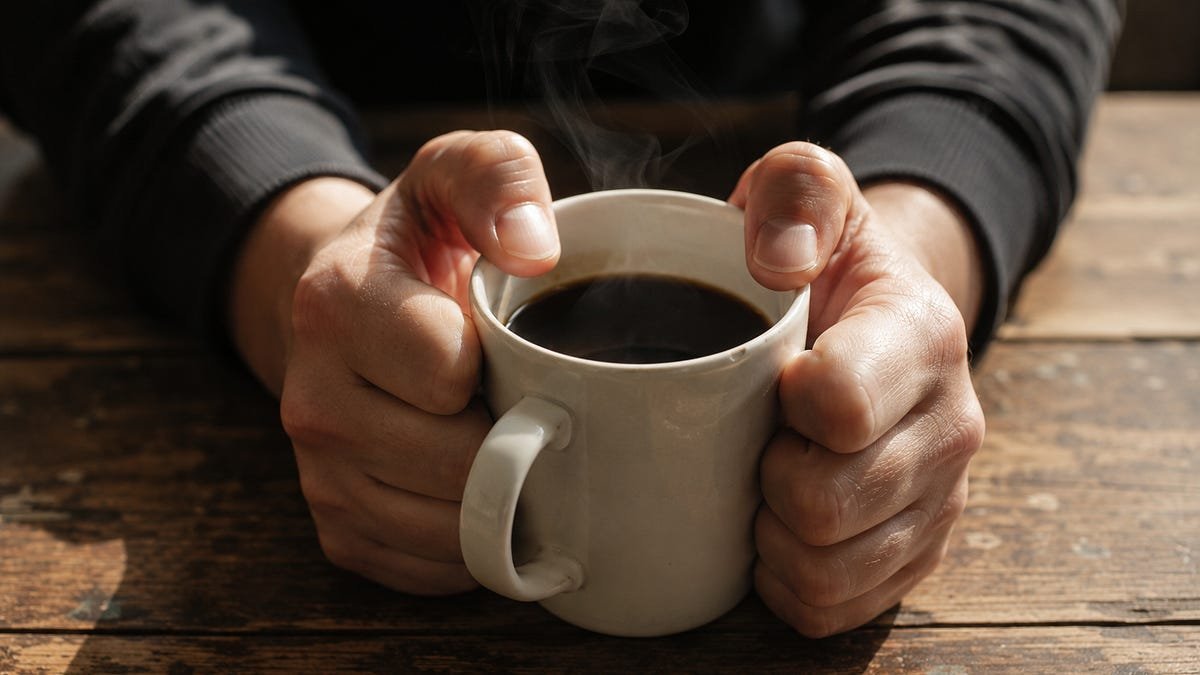
Coffee is wonderful. Coffee is also a drug — a psychoactive stimulant that 90% of Americans use daily — and like any drug, there’s a line between ‘enjoying it’ and ‘it’s causing problems.’ Most heavy caffeine users have crossed that line without realizing it, because the symptoms creep up gradually. If you’re wondering what are the signs I am drinking too much caffeine, this guide gives you the straight, no-fluff answer.
Up to 400 mg a day (about 4 cups of coffee) is considered safe for most adults. But ‘safe’ and ‘optimal for you’ aren’t the same thing. Here are the signs your intake is too high, even if it’s technically under the limit.
The Classic Signs Your Caffeine Is Too High
Jitters, restlessness, and that wired-but-tired feeling are the obvious ones. If your hands shake, your mind races, or you feel simultaneously exhausted and unable to sit still, that’s caffeine overshoot. Heart palpitations or a noticeably fast heartbeat after coffee is another red flag — caffeine stimulates your cardiovascular system, and some people are far more sensitive than others. FDA guidance on caffeine intake and safety
The sneakiest sign is the afternoon crash cycle: you need coffee to function at 9 a.m., crash at 2 p.m., drink more coffee, then can’t sleep at night, then need more coffee the next morning. If caffeine is both the problem and the solution in your day, your intake is too high. Breaking the cycle requires a few rough days, but the stable energy on the other side is worth it.
- Jitters and restlessness: shaky hands and racing thoughts after coffee mean you’ve overshot.
- Heart palpitations: a racing or pounding heart is your cardiovascular system saying ‘too much.’
- The crash cycle: needing caffeine to function, crashing, re-dosing — that’s dependence, not enjoyment.
- Anxiety spikes: caffeine triggers the same physical symptoms as anxiety — it can cause or worsen it.
- Stomach issues: acid reflux, nausea, or urgent bathroom trips after coffee are common overuse signs.
The Sleep and Mood Signs People Miss
Caffeine has a half-life of 5-6 hours, meaning the 2 p.m. coffee is still half-active at 8 p.m. If you fall asleep fine but sleep lightly, wake frequently, or never feel rested, afternoon caffeine is a prime suspect — it reduces deep sleep even when you don’t notice trouble falling asleep. This is the most underappreciated caffeine effect: people blame everything except the coffee for their bad sleep.
Mood effects matter too. Caffeine can increase irritability, make you short-tempered in the afternoon crash, and worsen anxiety. If you’re snapping at people at 4 p.m. daily, check the coffee log before blaming your coworkers. Some people also get headaches on days they drink less — that’s withdrawal, and it’s proof of dependence. Mayo Clinic guidance on caffeine limits
- Light, unrefreshing sleep: afternoon caffeine destroys deep sleep even if you fall asleep easily.
- Afternoon irritability: the crash makes you short-tempered — it’s chemistry, not character.
- Weekend headaches: headaches on days you drink less coffee = withdrawal = dependence.
- Increased anxiety: if you’re anxious and heavily caffeinated, the coffee is a suspect.
- Needing more for the same effect: tolerance building means the dose keeps creeping up.
How to Cut Back Without the Misery
Don’t quit cold turkey unless you enjoy three days of pounding headaches — caffeine withdrawal is real and unpleasant. Taper instead: cut your intake by about 25% every few days. Mix regular and decaf, shrink your cup size, or drop the afternoon cup first (it’s the one wrecking your sleep anyway).
Replace the ritual, not just the chemical. Much of coffee’s grip is habit — the warm mug, the break, the routine. Herbal tea, decaf, or even just hot water with lemon preserves the ritual while dropping the dose. And front-load your sleep and hydration during the taper; being well-rested makes withdrawal dramatically easier. Within two weeks, most people feel better than they did fully caffeinated.
- Taper, don’t quit cold: reduce by ~25% every few days to avoid withdrawal headaches.
- Cut the afternoon cup first: it’s the biggest sleep disruptor with the least benefit.
- Half-caf is your friend: mixing regular and decaf steps down without changing the ritual.
- Replace the ritual: herbal tea or decaf keeps the comforting habit intact.
- Sleep more during the taper: rest makes withdrawal symptoms dramatically milder.
Common Mistakes to Avoid
Before you put any of this into practice, save yourself the learning curve: here are the classic errors that derail progress. I’ve made several of these myself, so consider this the shortcut I wish I’d had.
- Drinking coffee all day: caffeine’s 5-6 hour half-life means the 3 p.m. cup is still active at 9 p.m. Set a noon cutoff if sleep suffers.
- Quitting cold turkey: withdrawal headaches are real and miserable. Taper 25% every few days instead — painless by comparison.
- Ignoring hidden sources: tea, chocolate, energy drinks, pre-workout, and some medications all add caffeine. Count the total, not just coffee.
- Using caffeine to mask sleep debt: it borrows energy from tomorrow at interest. Fix the sleep; reduce the crutch.
- Upsizing automatically: the creeping cup size is how 200mg becomes 600mg unnoticed. Know your actual intake in milligrams.
Frequently Asked Questions
How much caffeine is too much?
Up to 400mg daily (about 4 cups of coffee) is considered safe for most adults — but ‘safe’ isn’t ‘optimal.’ If you have jitters, poor sleep, anxiety, or afternoon crashes, your personal limit is lower regardless of the guideline.
How long does caffeine withdrawal last?
Headaches and fatigue typically peak at 24-48 hours and fade within a week. Tapering instead of quitting cold turkey makes it dramatically milder — most people barely notice a gradual step-down.
Does decaf still have caffeine?
Yes — small amounts, roughly 2-7mg per cup versus 95mg in regular. It’s negligible for most purposes, making half-caf and decaf excellent taper tools. But the ultra-sensitive should know it’s not zero.
Why does coffee make me anxious?
Caffeine blocks adenosine and triggers adrenaline — physically mimicking anxiety’s symptoms (racing heart, jitteriness, racing thoughts). Anxious people are often more sensitive; if coffee consistently spikes your anxiety, it’s chemistry, not weakness.
Pro tip: Tell one person what you’re working on. Social accountability — even casual — measurably increases follow-through. You don’t need an accountability partner; you need a witness.
What are the signs I am drinking too much caffeine: The Bottom Line
You’re drinking too much caffeine if you get jitters, palpitations, afternoon crashes, unrefreshing sleep, irritability, or withdrawal headaches on low-coffee days. The afternoon cup is usually the biggest culprit. Cut back by tapering 25% every few days — not cold turkey — and keep the ritual with decaf or tea. Most people are shocked how much better they feel with less: steadier energy, better sleep, and coffee becomes a pleasure again instead of a requirement.