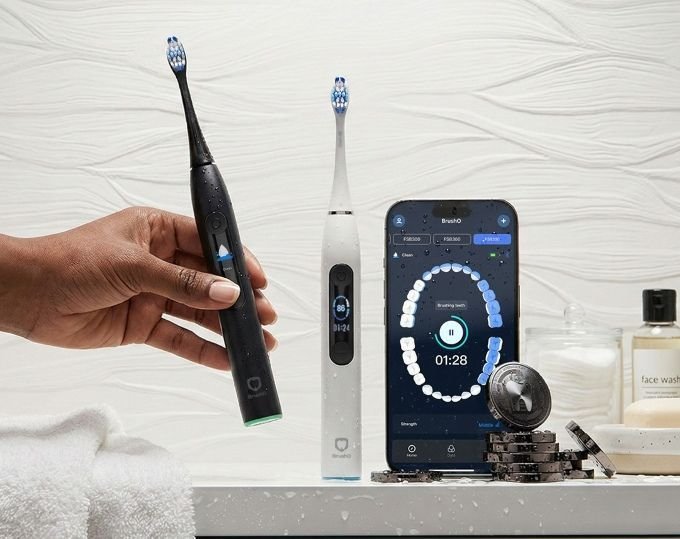
Take a look at your toothbrush right now. Are the bristles splayed out like a bad haircut? If so, you’re brushing with a tool that’s doing maybe half its job — and possibly irritating your gums in the process. Most of us replace our toothbrushes far less often than we should. That’s why so many people ask how often should I replace my toothbrush for good dental health — and why you deserve a real answer, not clichés.
The standard advice is every three months, but the real answer is ‘it depends on the brush, not the calendar.’ Here’s what dentists actually say, the signs yours is done, and the situations that call for an immediate swap.
The 3-Month Rule and When to Break It
The American Dental Association recommends replacing your toothbrush every 3 to 4 months, and it’s solid advice for most people. Bristles wear down, lose stiffness, and become less effective at removing plaque — studies show worn brushes clean significantly worse. But heavy brushers who press hard can destroy a brush in 6-8 weeks, while gentle brushers might get 4-5 months from one. American Dental Association oral health resources
The better rule: replace it when the bristles tell you to. Splayed, frayed, or bent bristles mean the brush is done regardless of the date. Worn bristles don’t just clean poorly — they can be too abrasive on gums in some spots while missing plaque in others. If you can’t remember when you bought it, that’s your answer: replace it now.
- Every 3-4 months is the baseline: the ADA’s recommendation works for average brushers.
- Watch the bristles, not the calendar: splayed or frayed bristles mean immediate replacement.
- Hard brushers replace sooner: pressing hard wears brushes out in 6-8 weeks — and damages gums.
- Can’t remember buying it? Replace it: if the purchase date is a mystery, the brush is overdue.
- Kids need more frequent swaps: children chew brushes and wear them out faster — check monthly.
After Illness, Injury, and Other Special Cases
The old advice says replace your toothbrush after every cold or flu. The science is more nuanced: for common colds, your immune system already fought off that virus, and reinfecting yourself from your own toothbrush is unlikely. But for strep throat, the flu, or any bacterial infection — especially if you’re immunocompromised — replacing the brush (or at least the brush head) is cheap insurance. When in doubt, swap it; a $4 brush isn’t worth the worry.
Other swap triggers: after any mouth injury or oral surgery, if the brush was stored somewhere unsanitary (dropped on a public bathroom floor — we’ve all been there), or if someone else used it (just replace it, no debate). And if you use an electric brush, the same rules apply to the brush head.
- After strep or flu: replace the brush — cheap insurance against reinfection.
- Common colds are lower risk: reinfection from your own brush is unlikely, but swapping is still fine.
- After mouth injuries or surgery: start fresh once healing allows brushing again.
- If someone else used it: replace immediately, no exceptions.
- Electric brush heads: same 3-month rule and same wear signs apply.
Make Your Toothbrush Last (and Work Better)
A few habits extend brush life and improve hygiene. Rinse thoroughly after brushing to remove all toothpaste and debris, then store it upright to air-dry — bacteria thrive in damp, enclosed spaces, so ditch the travel cap for daily storage. Don’t store brushes touching each other; that’s how germs hitchhike between family members’ brushes.
Contrary to internet advice, don’t microwave, boil, or dishwasher your toothbrush — heat damages bristles and can melt the handle. And skip the ‘sanitizing’ gadgets; the ADA notes there’s no evidence they improve oral health beyond normal rinsing and air-drying. A clean, dry, regularly replaced brush beats a sterilized ancient one every time. CDC guidance on oral hygiene
- Rinse thoroughly, store upright: air-drying is the best sanitizer — skip enclosed caps.
- Don’t let brushes touch: separate holders prevent cross-contamination.
- Never microwave or boil: heat destroys bristles. Just rinse and air-dry.
- Skip sanitizing gadgets: no evidence they beat basic rinsing and drying.
- Use soft bristles: medium and hard bristles wear gums down; soft cleans just as well.
Common Mistakes to Avoid
Most people don’t fail for lack of effort — they fail because of a handful of predictable mistakes. Sidestep these five and you’re already ahead of the vast majority of people tackling this.
- Using medium or hard bristles: they don’t clean better — they wear down gums and enamel. Soft bristles clean just as effectively.
- Brushing like you’re scrubbing grout: hard pressure wears brushes out in weeks and damages gums. Gentle circles, two minutes.
- Storing in a closed travel cap daily: damp, enclosed spaces breed bacteria. Store upright and open to air-dry.
- Microwaving or boiling to ‘sanitize’: heat melts and deforms bristles. Rinse and air-dry — that’s the evidence-backed method.
- Keeping the family brushes touching: bristles touching means germ-sharing. Separate holders or enough spacing matters.
Frequently Asked Questions
Do I really need to replace my toothbrush after being sick?
For strep throat, flu, or bacterial infections — yes, cheap insurance. For common colds, reinfection from your own brush is unlikely since your immune system already beat that virus. When in doubt, a $4 replacement isn’t worth agonizing over.
Are expensive toothbrushes better?
Electric brushes with timers do improve brushing for many people (better technique compliance). But a $3 manual brush used properly for 2 minutes twice daily beats a $200 electric used lazily. Technique and consistency matter more than price.
How do I know my brush is worn out?
Splayed, frayed, or bent bristles — if it looks like a bad haircut, it’s done. Also: if you can’t remember when you bought it, replace it. Worn brushes clean significantly worse and can irritate gums.
Should kids replace toothbrushes more often?
Yes — children chew brushes, use too much pressure, and wear them out faster. Check monthly and replace when bristles splay, typically every 2-3 months for kids versus 3-4 for adults.
Pro tip: Put a recurring monthly reminder on your phone to revisit the key habits in this guide. Most good practices fade not from failure but from forgetting — a simple nudge keeps them alive.
How often should I replace my toothbrush for good dental health: The Bottom Line
Replace your toothbrush every 3-4 months, sooner if bristles splay — and let the bristles, not the calendar, be the final judge. Swap after strep throat, flu, or mouth injuries, and always if someone else used it. Store it upright to air-dry, rinse well, and use soft bristles. It’s a $4 item that does a critical job twice a day; treating it as disposable is exactly right.