You get home from work, your shoulders are up around your ears, and your brain is still replaying the 3 p.m. meeting. You need to decompress, but “relax” isn’t a skill most of us practiced. So what are the best hobbies for stress relief after work? Not the most impressive hobbies, or the most productive — the ones that actually downshift your nervous system and give your brain something better to chew on than work stress.
I’ve cycled through a lot of after-work activities, and I’ve learned that the best stress-relief hobbies share three traits: they’re absorbing enough to crowd out rumination, they’re low-stakes (no performance pressure), and they involve your hands or body, not just your eyes on another screen.
Why Hobbies Beat “Resting” for Stress Relief
Here’s the counterintuitive finding: passive rest (scrolling, TV) is worse at relieving stress than active leisure. Your brain needs absorption — something engaging enough to displace work thoughts. Psychologists call the good version “recovery experiences”: psychological detachment from work, relaxation, mastery, and control. The best hobbies deliver all four. An hour of engaged hobby time genuinely restores you; an hour of scrolling just… passes.
What Are the Best Hobbies for Stress Relief After Work? The Tier List
Physical hobbies (the fastest stress killers)
Exercise is the single most evidence-backed stress intervention there is — it metabolizes stress hormones directly. But “exercise” doesn’t have to mean the gym:
- Walking/hiking: The underrated champion. 30 minutes, especially in nature, reliably drops cortisol. No gear, no membership, no excuses.
- Swimming: The sensory deprivation of water + rhythmic movement = meditation for people who can’t meditate.
- Martial arts / boxing: Structured, absorbing, and there’s something primally satisfying about hitting things safely after a frustrating day.
- Yoga: Combines movement, breathing, and mindfulness — triple-threat stress relief. Evening yin yoga is basically a sedative.
- Dancing: Alone in your kitchen counts. Music + movement is joy with a physiological basis.
Creative hobbies (the rumination killers)
Creative work demands enough attention to evict work thoughts, with zero stakes:
- Cooking something new: Sensory, hands-on, and you get dinner. Trying one new recipe a week is a whole hobby.
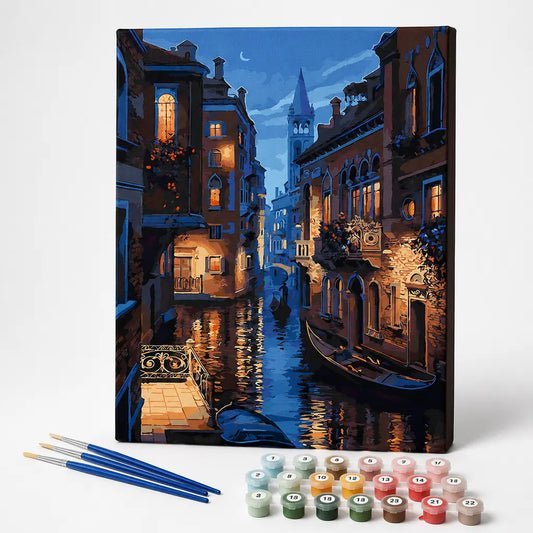
- Drawing/painting: You don’t need talent — adult coloring books, watercolor tutorials, and sketching all induce flow states. The bad art is the point; it’s play.
- Playing music: Guitar, piano, ukulele — 20 minutes of practice is absorbing and the progress is deeply satisfying. Ukulele is the fastest win for total beginners.
- Writing: Journaling, fiction, poetry — externalizing the mental noise. Pairs with starting a journaling habit.
- Crafts: Knitting, woodworking, pottery, model-building — the repetitive hand motions are meditative, and you make tangible things in an intangible work world.
Social and outdoor hobbies (the connection builders)
- Team sports: Exercise + social + scheduled commitment (which forces consistency). Rec leagues welcome all skill levels.
- Gardening: Dirt therapy is real — soil microbes, sunlight, nurturing living things. Start with beginner indoor plants if outdoor space is limited.
- Volunteering: Shifts perspective fast — hard to ruminate about your inbox while walking shelter dogs.
- Board game groups: Social, strategic, screen-free. The local game shop probably hosts weekly nights.
How to Choose (and Actually Stick With One)
The paradox of choice kills more hobbies than boredom does. Use these filters:
- Energy match: Drained after work? Choose restorative (walk, bath + book, gentle yoga). Wired and restless? Choose active (run, sport, dance). Match the hobby to your actual state, not your aspirational self.
- Friction test: If it takes 30 minutes of setup, you won’t do it on a Tuesday. The best after-work hobby starts in under 5 minutes.
- The 3-session rule: Try anything three times before judging. Session one is awkward for everything. Session three tells the truth.
- Schedule it: “Sometime” means never. Two evenings a week, on the calendar, like an appointment. This is where weekly planning earns its keep.
My honest opinion: pick the thing 12-year-old you would’ve loved. That kid knew what absorbed you before productivity ruined everything. For most people, the answer is embarrassingly simple — and embarrassingly effective.
What to Avoid
- Hobbies that feel like work: If your “relaxing” side project has deadlines and deliverables, it’s a second job.
- Competitive-everything: Competition is fine if it’s fun; toxic if it adds performance anxiety to your unwind time.
- Expensive commitments upfront: Rent, borrow, or buy used before investing. The $2,000 bike doesn’t make you a cyclist; riding does.
- More screens: If your work is screen-based, a screen-based hobby rarely relieves — it just changes the content. Hands and body beat eyes.
Hobby Starter Kits Under $50
The “I need expensive gear” excuse dies here. Complete starter kits for the best stress-relief hobbies, all under $50:
- Walking/hiking ($0–30): You already own shoes. Add a $30 daypack if you want one. The trail is free.
- Drawing ($15): A sketchbook ($8) + a set of graphite pencils ($7). YouTube tutorials: free. Talent: unnecessary.
- Ukulele ($40–50): A decent beginner uke + a free tuning app + YouTube lessons. Four chords = dozens of songs within weeks.
- Gardening ($25): Potting mix ($8), 3–4 starter plants or seed packets ($12), a trowel ($5). Start on a windowsill.
- Cooking ($20): One new cuisine’s spice set + a recipe book from the library. The kitchen is already equipped.
- Journaling ($10): A notebook that feels good + a pen you like. The ritual matters more than the tools.
- Bodyweight fitness ($0): Your floor. Free apps and YouTube programs for every level.
- Stargazing ($0–15): A blanket + a free star app. Dark sky optional but transformative.
Pick one kit this week. Total risk: $50 and three sessions. The 3-session rule applies — session three tells the truth about whether it’s yours.
The Takeaway
The best hobbies for stress relief after work are absorbing, low-stakes, and physical or hands-on: walking, swimming, cooking, music, crafts, gardening, team sports. Pick one matching your energy, make it start in under five minutes, try it three times, and put it on the calendar. An hour of real hobby time will do more for your stress than any amount of scrolling — and unlike “relaxing,” it’s something you’ll actually look forward to. The American Psychological Association’s stress management resources confirm what hobbyists have always known: active recovery beats passive rest, every time.