You’ve probably heard it takes 21 days to form a habit. It’s catchy, it’s everywhere, and it’s wrong — it came from a plastic surgeon’s casual observation in the 1960s, not from behavioral science. The real answer is both more discouraging and more hopeful than the myth. If you’re wondering how long does it take to form a healthy habit that sticks, this guide gives you the straight, no-fluff answer.
Actual research puts the average at 66 days, with a huge range: anywhere from 18 days for simple habits to 254 days for complex ones. But the number matters less than you’d think. What actually determines whether a habit sticks is how you build it, not how long you’ve been at it. Let me explain.
What the Research Actually Found
The best-known study on this, published in the European Journal of Social Psychology, tracked 96 people forming new health habits for 12 weeks. The headline finding: it took an average of 66 days for a behavior to become automatic — and the range was enormous. Drinking a glass of water at breakfast became automatic quickly; doing 50 sit-ups after morning coffee took far longer. psychology of habit formation research
The key insight isn’t the 66-day average — it’s that complexity and consistency drive the timeline, not willpower. Simple, easy habits in stable contexts become automatic fast. Hard habits, or habits you do inconsistently, take much longer or never fully automate. Missing a single day, by the way, didn’t derail anyone in the study. What mattered was the overall pattern.
- Average: 66 days — but the real range is 18 to 254 days depending on the habit.
- Simplicity wins: ‘drink water after waking’ automates far faster than ‘run 3 miles daily.’
- Missing one day is fine: the research shows a single miss doesn’t reset your progress.
- Consistency beats intensity: doing it imperfectly every day beats doing it perfectly twice a week.
- Context matters: habits tied to a stable cue (same time, same place) form faster.
How to Make Habits Stick Faster
If you want a habit to automate quickly, make it ridiculously easy at first. Want to build an exercise habit? Start with ‘put on workout shoes after work.’ That sounds stupid until you realize the research supports it — shrinking the habit removes the friction that kills consistency, and consistency is the whole game. You can expand the habit once the cue-routine link is automatic.
Habit stacking is the other power move: attach the new habit to something you already do without thinking. ‘After I pour my morning coffee, I take my vitamins.’ The existing habit is the trigger, so you don’t need reminders or motivation. And design your environment ruthlessly — lay out the gym bag, put the vitamins next to the coffee maker. Every bit of friction you remove is a day shaved off the timeline. National Institutes of Health behavior change resources
- Shrink it first: make the habit so easy you can’t say no — 2 pushups, 1 page, 5 minutes.
- Stack on existing habits: ‘after [current habit], I will [new habit]’ — the trigger is built in.
- Design your environment: visible cues and zero friction beat motivation every time.
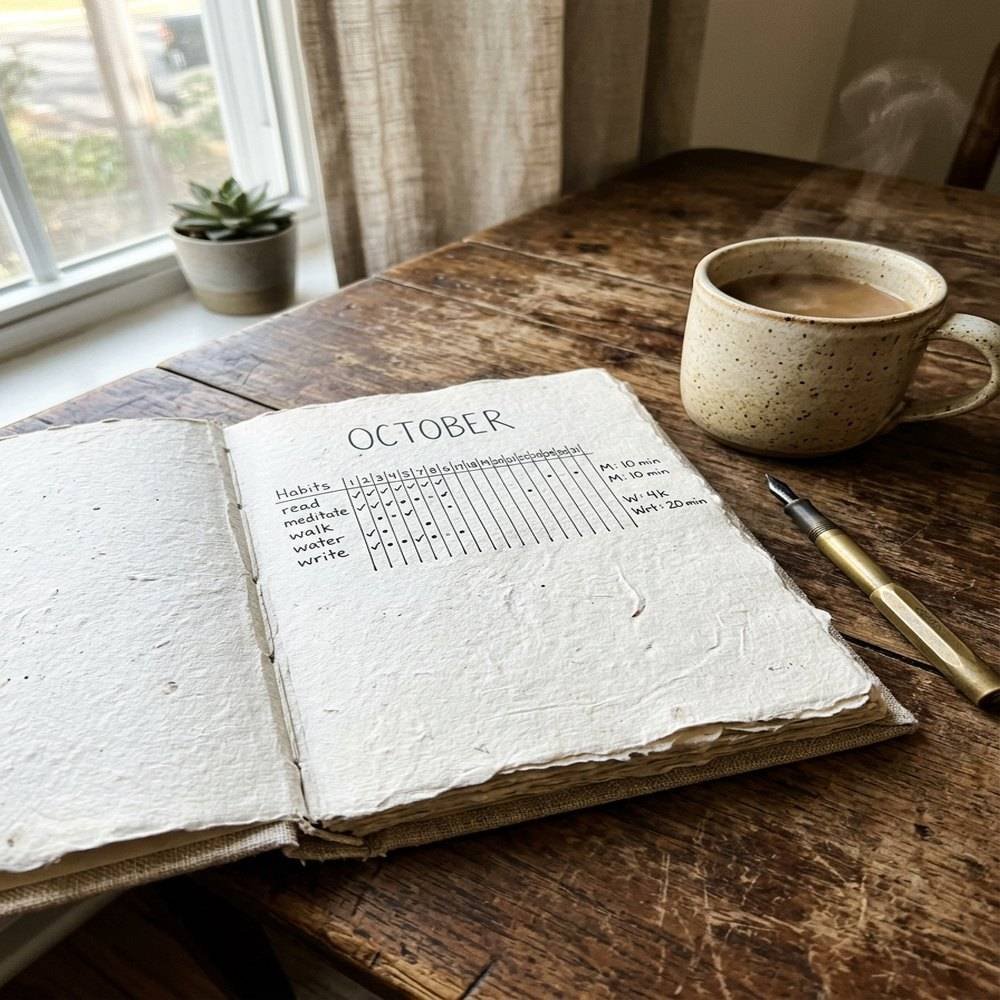
- Track visibly: a calendar with X’s creates a chain you won’t want to break.
- Never miss twice: one miss is an accident; two is the start of a new (bad) habit.
Why Habits Fail (It’s Not Lack of Discipline)
Most failed habits die for the same three reasons: the habit was too big to start (‘work out an hour daily’ on day one), there was no clear trigger (‘I’ll eat healthier’ — when, exactly?), or the environment fought back (trying to quit sugar with a candy drawer at your desk). None of these are willpower problems. They’re design problems.
The other killer is the all-or-nothing mindset. People miss three days, decide they’ve failed, and quit entirely — when the research literally shows missed days don’t matter. The people who succeed aren’t the ones who never slip; they’re the ones who resume quickly. Your habit doesn’t need a perfect record. It needs a good batting average.
- Too big, too fast: scale the habit down until starting feels trivial.
- No clear trigger: vague intentions fail. Attach the habit to a specific when-and-where.
- Hostile environment: willpower can’t beat a bad setup for 66 days. Fix the setup.
- All-or-nothing thinking: a missed day isn’t failure. Quitting after a missed day is.
- Wrong habit for your life: a 5 a.m. run habit that fights your schedule will never stick. Pick habits that fit.
Common Mistakes to Avoid
Before you put any of this into practice, save yourself the learning curve: here are the classic errors that derail progress. I’ve made several of these myself, so consider this the shortcut I wish I’d had.
- Starting with a huge habit: ‘run 5 miles daily’ as habit #1 is why habits fail. Shrink until starting feels trivial, then expand.
- No clear trigger: ‘I’ll eat healthier’ fails; ‘after I pour coffee, I take vitamins’ succeeds. Habits need a when-and-where.
- Quitting after one missed day: research shows single misses don’t matter. The failure isn’t the miss — it’s the story that the streak is ruined.
- Relying on motivation: motivation fluctuates daily; environment and triggers don’t. Design for your worst day, not your best.
- Tracking too many habits at once: five new habits split your focus five ways. Master one, then add the next.
Frequently Asked Questions
Is the 21-day rule for habits a myth?
Yes — it came from a 1960s plastic surgeon’s casual observation, not research. The actual study found 66 days on average, ranging from 18 to 254 days depending on complexity. Simple habits in stable contexts form fastest.
Does missing a day ruin habit formation?
No. The research explicitly found that missing a single day didn’t derail automaticity — what mattered was the overall pattern of repetition. ‘Never miss twice’ is the practical rule: one miss is life, two is a new pattern.
What’s the easiest habit to start with?
The one you’ll actually do daily: drinking a glass of water after waking, making your bed, a 2-minute stretch. Start embarrassingly small — the habit loop (cue-routine-reward) matters more than the habit’s impressiveness.
How do I break a bad habit?
Same science in reverse: remove the cue (don’t keep chips at your desk), make it hard (friction), and replace the routine with something else that serves the same need. Willpower alone is the weakest approach — redesign the environment.
Pro tip: Tell one person what you’re working on. Social accountability — even casual — measurably increases follow-through. You don’t need an accountability partner; you need a witness.
How long does it take to form a healthy habit that sticks: The Bottom Line
Forget 21 days — expect around two months on average, longer for hard habits, and that’s completely normal. Speed things up by making the habit tiny, stacking it onto an existing routine, and designing your environment so the right choice is the easy choice. Missing a day doesn’t reset anything. The only real failure is the story you tell yourself after a slip that makes you quit. Keep your batting average high, and the habit will take care of itself.