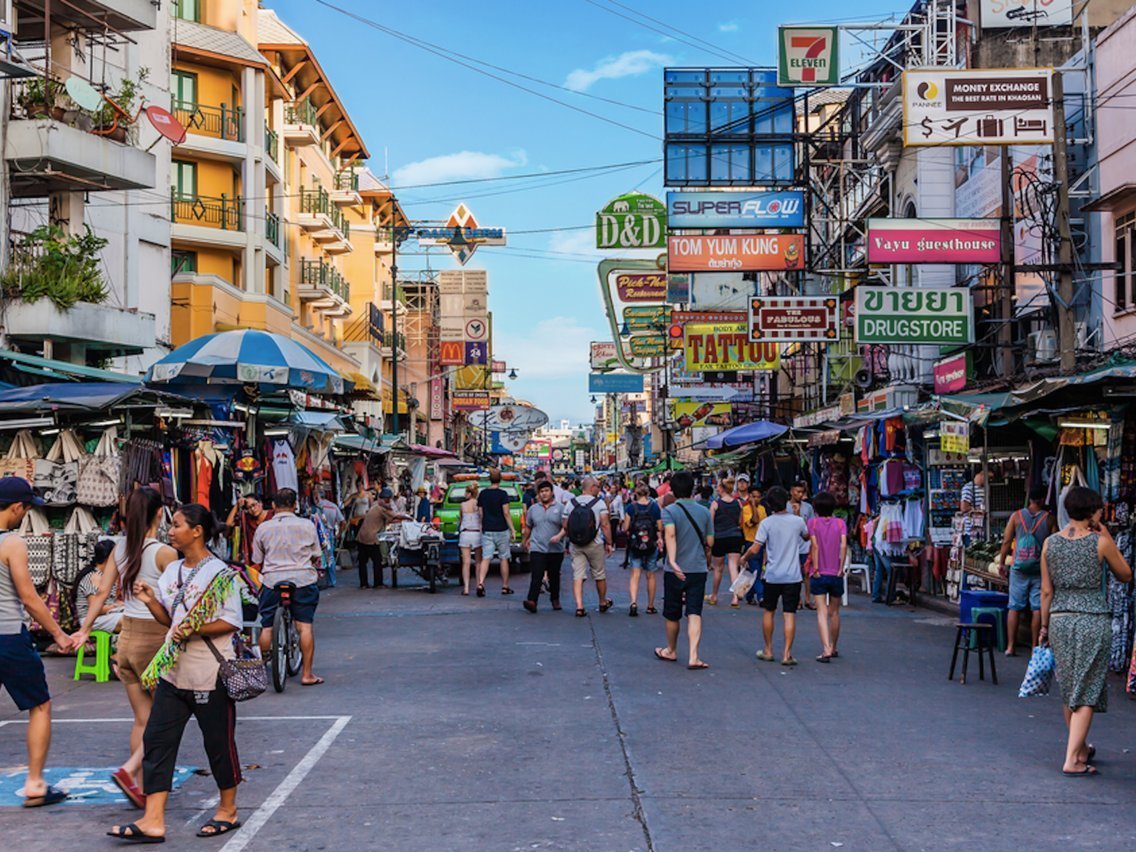
You know the scene: you step off the tour bus into a plaza packed with identical souvenir shops, a guy in a costume charges $20 for a photo, and the “authentic local restaurant” your hotel recommended has a menu in six languages and prices to match. Tourist traps aren’t just overpriced — they’re disappointing. They sell you a hollow version of a place while the real thing is three streets away. Learning how to avoid tourist traps in popular cities is really about learning to read a place: where locals actually go, and how to tell the difference.
I’ve been trapped (overpaying for terrible paella in Barcelona, I’m looking at you) and I’ve dodged traps beautifully. The difference was always preparation, not luck. Here’s the system.
How to Spot a Tourist Trap (The Field Guide)
Traps share DNA worldwide. Red flags:
- Location: Directly on the main square, next to the famous landmark, or along the single most-touristed street. Rent is highest there; quality is lowest.
- The tout: Someone outside beckoning you in, holding a menu, promising “the best.” Good restaurants don’t need to hustle pedestrians.
- The multilingual photo menu: Menus with pictures and six languages signal volume tourism, not local love. (Exceptions exist in genuinely touristy-but-good spots — but it’s a yellow flag.)
- No locals inside: The single most reliable indicator. Peek in — if everyone’s holding a camera and a map, walk on.
- The “famous” claim: “As seen on TV,” celebrity photos on the wall, “world famous” in the name. Fame and quality diverged long ago.
- Attraction upsells: Costumed characters demanding tips, “skip the line” sellers who aren’t official, unofficial tour guides at landmarks.
How Can I Avoid Tourist Traps in Popular Cities? The Research Phase
Thirty minutes of research before (or during) the trip saves hundreds of dollars and several disappointments:
- Read local sources, not just TripAdvisor. City subreddits (r/AskNYC, r/Paris, etc.), local food blogs, and expat forums give unfiltered takes. Search “[city] tourist traps reddit” — the threads are goldmines.
- Use Google Maps strategically: Check review counts AND ratings. A 4.8 with 200 reviews from locals beats a 4.2 with 12,000 reviews. Read the 3-star reviews — they’re the most honest. Filter by “locals” where available.
- Ask the right locals: Not hotel concierges (commissions) — ask bartenders, shop owners, your Airbnb host, the person next to you at the café. The magic question: “Where do YOU eat around here?”
- Learn the meal-time customs: Restaurants full at local dinner time (9 p.m. in Spain, 8 p.m. in Italy) are local-approved. Empty at those hours but packed at 6 p.m.? Tourist spot.
For food specifically, finding authentic local food is the deep-dive companion to this guide.
The Street-Smart Rules
- Walk three streets in any direction from the landmark. Prices drop 30–50%, quality rises, locals appear. This single rule avoids 80% of traps.
- Eat where the workers eat. Construction workers, taxi drivers, shop staff — they eat daily, know value, and can’t afford tourist prices. The busy lunch counter full of locals is never wrong.
- Book landmark tickets direct and in advance. Official sites only — the “skip the line” guy outside is selling you the same ticket at 3x. For major attractions, morning slots beat afternoon crowds.
- Learn 10 words of the language. “Hello,” “thank you,” “how much,” “delicious” — effort earns warmth, and warmth earns the local price and the honest recommendation.
- Distrust the view premium. Rooftop with a view = 2x prices for worse food. Enjoy the view from a public viewpoint (free), eat where the food’s good.
- Say no to the first offer. Touts, taxi drivers quoting prices, “my cousin’s shop” — the first offer is never the best offer. Walk away; the price drops or a better option appears.
Attractions: Trap or Worth It?
Not every famous thing is a trap. The honest framework:
- Worth it despite crowds: Truly unique wonders (the Colosseum, the Louvre’s greatest hits, the Grand Canyon). Go early, book ahead, accept the crowds as the price of wonder.
- Worth it with strategy: Famous markets, viewpoints, neighborhoods — visit at off-hours, skip the overpriced cafés inside, enjoy the free parts.
- Skip: Wax museums, “mystery” spots with paid entry and gift-shop exits, any attraction whose reviews say “not worth the money” repeatedly. Trust the pattern.
- The local alternative: For every famous attraction, there’s a lesser-known equivalent locals prefer — the second viewpoint, the neighborhood market, the smaller museum. Ask and ye shall receive.
This pairs with planning uncrowded beach vacations and underrated national parks — the anti-trap philosophy applied to destinations.
Money Traps Beyond Restaurants
- Currency exchange at airports/hotels: Worst rates on earth. Use the guidance in exchanging currency before traveling abroad.
- Taxis without meters: Agree on price upfront or use rideshare. The “broken meter” is the world’s oldest scam.
- Souvenir shops at landmarks: Same items, half price, three streets away — or at local markets.
- “Free” tours with aggressive tipping: Free walking tours are legitimate (tip $10–20), but some have morphed into shopping-trip funnels. Read recent reviews.
City-Specific Trap Spotter’s Guide
Traps vary by city. Here’s what to watch for in the most-visited places:
- Paris: Restaurants on streets directly facing major sights (especially near the Eiffel Tower and Sacré-Cœur) with aggressive touts. Walk 10 minutes in any direction. The “string bracelet” scammers at Sacré-Cœur and the petition-clipboard pickpockets — a firm “non” and keep walking.
- Rome: Restaurants near the Colosseum and Vatican with photo menus. The gladiator-costume photo hustlers (they’ll demand €20+ after). Gelato shops with piled-high neon-colored gelato (real gelato is muted colors, stored in metal tins).
- Barcelona: Las Ramblas restaurants (almost uniformly overpriced) — eat in El Born or Gràcia instead. Pickpockets on the metro and beach: the distraction-and-lift is an art form here.
- Bangkok: Tuk-tuk drivers offering “free” tours (they’re commission stops at suit shops). The “Grand Palace is closed today” lie — it’s not; they’re diverting you to commission shops.
- New York: Times Square costumed characters (photos aren’t free), the “CD guys” who hand you a mixtape then demand payment, and pedicab rides with undisclosed per-minute pricing.
- Cairo: Unofficial guides at the pyramids who attach themselves and demand payment; camel ride price agreed upfront in writing (or better, skip it).
The universal defense: research the 2–3 famous scams for YOUR destination before you go (Wikivoyage’s “Stay safe” section per city is excellent), walk away from anyone who approaches you first, and never feel rude for saying no. Politeness is the scammer’s favorite tool — put it away until you’re sure.
For destination-specific safety intel, Wikivoyage’s city guides each include a “Stay safe” section covering the local scams, and the State Department’s travel advisories list current official guidance by country. Ten minutes with both before you fly is the cheapest insurance there is.
The Takeaway
Avoiding tourist traps in popular cities means: researching with local sources (not just review aggregators), walking three streets from landmarks, eating where locals eat at local hours, booking attraction tickets direct and early, and trusting the “no locals inside” test above all. The real city is always nearby — it’s just not on the main square. Do 30 minutes of homework, learn ten words of the language, and you’ll experience the version of the place that residents love, at prices that don’t require a second mortgage.