
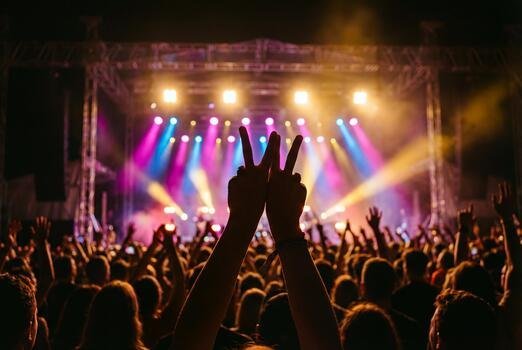
Live music is one of the best entertainment values around — but only if you know it’s happening. Great shows play to half-empty rooms every week because nobody heard about them. Here’s how to find live concerts happening near you, from arena tours to the tiny bar gig that becomes your favorite night of the month.
The Big Aggregators (Start Here)
- Bandsintown: the gold standard. Sync your music library or follow artists, set your location, and get alerts when anyone you like announces nearby shows. The “track your favorite artists” feature means you never miss a tour announcement again.
- Songkick: similar concept, excellent for tracking specific artists. Its concert discovery by location is solid, and the email alerts are timely.
- Ticketmaster / Live Nation: obvious for big tours, but their discovery features are weak — use them to buy, not to browse.
- Eventbrite: surprisingly good for smaller shows, local festivals, and DJ nights. Filter by “music” and your city.
- Facebook Events: still the most comprehensive listing for small/local shows, because every venue and promoter posts there. Search “live music” + your city, filter by date.
Don’t Miss the Small Stuff
The big aggregators miss a lot — house shows, bar gigs, coffee shop sets, and pop-up performances often aren’t listed anywhere algorithmic. For those:
- Venue mailing lists: sign up for the newsletters of every small venue within driving distance. This is the #1 way insiders hear about shows first — presales, secret gigs, last-minute additions.
- Follow venues on social media: promoters announce shows on Instagram before anywhere else. Turn on post notifications for your favorite rooms.
- Local alt-weekly / city blogs: their concert calendars cover the shows algorithms miss, with actual curation and context.
- Record store bulletin boards: old-school and still effective. Flyers for the coolest small shows live here.
- Ask musicians directly: at a show, ask the band where they’re playing next. Musicians know every room in town.
Small shows are where discovery happens — and supporting local musicians starts with knowing they exist.
Free and Cheap Shows
Live music doesn’t have to be expensive. Summer concert series in parks (most cities run them — check your parks department), First Friday art walks with music, brewery and winery performances, farmers market musicians, library concerts, and church/community concerts are often free. Open mic nights are free and sometimes magical — here’s how to find open mic nights. College campuses host cheap or free performances constantly, open to the public. The free tier of live music is deep if you look.
Getting Tickets Smart
- Presales: artist presales (via fan clubs/mailing lists), venue presales, and credit card presales (Citi, Amex) get you in before the general onsale chaos. Sign up for artist mailing lists — that’s where presale codes live.
- Buy early for big shows, late for small ones: arena tours sell out; small club shows often have door tickets. Know which game you’re playing.
- Set price alerts: for expensive shows, resale prices often drop in the final 24-48 hours as sellers panic. Risky but frequently rewarding.
- Check the venue’s own site first: fees are often lower than the big platforms, and some shows are venue-exclusive.
- Beware dynamic pricing: Ticketmaster’s surge pricing means popular shows get more expensive as demand rises. Buying early beats buying during the frenzy.
Concert-Going Tips
- Arrive for the opener. Openers are often excellent and sometimes become your new favorite band. The headliner-only crowd misses half the value.
- Earplugs: high-fidelity concert earplugs ($15-25) cut volume without muffling sound. Your future self’s hearing thanks you. This isn’t optional for frequent concertgoers.
- Check bag policies: venues vary wildly — some allow small bags, some require clear bags, some allow nothing. Check before you go.
- Merch early: popular sizes sell out. Hit the merch table when you arrive, not after the show.
- Phone policy: some artists (Jack White famously) require phone pouches. Respect it — you’ll enjoy the show more, honestly.
Finding Concerts: FAQ
What’s the best app for finding concerts? Bandsintown for tracking artists + Facebook Events for local discovery. That combo covers 95% of shows.
How do I find out about secret/small shows? Venue mailing lists, following venues/musicians on social media, and being a regular. Scenes reward participation — the more shows you attend, the more you hear about.
Are concert tickets cheaper at the door? For small shows, often yes (no fees). For big sold-out shows, no — buy in advance. For big shows that didn’t sell out, day-of can be cheaper.
How far in advance do tours get announced? Big tours: 3-6 months out. Small club tours: 1-3 months. Local shows: days to weeks. Set up alerts now so you’re ready whenever announcements drop.
The Takeaway
Finding live concerts near you is a system: Bandsintown + Songkick for artist tracking, Facebook Events + venue newsletters for local discovery, alt-weeklies for curation. Sign up for the alerts once, then let the shows come to you. And go to the small ones — the $12 show in a 200-cap room is often better than the $120 arena night. Some of the best nights of your life are playing within ten miles of you right now. Go find them.
Festivals: The Efficient Option
If you want maximum live music per dollar, festivals are unbeatable — dozens of artists over 2-3 days, often cheaper per-act than individual shows. The big ones (Coachella, Bonnaroo, Lollapalooza) are expensive experiences, but regional and genre festivals offer incredible value: $50-150 for a weekend of music, food, and discovery. Strategy: buy early-bird tickets (cheapest), volunteer (many festivals trade shifts for free entry), and go for the mid-tier lineup days rather than headliner-only thinking. The best festival moments are always the surprise afternoon set by a band you’d never heard of. Check free outdoor events too — many summer festivals have free stages or free days.
Concert Safety Basics
Quick but important: stay hydrated (especially outdoor summer shows), know where the exits and medical tents are at big venues, keep your phone charged and share your location with someone, and trust your gut in crowds — if a crowd feels unsafe (crushing, surging), move to the edges or leave. The Astroworld tragedy reminded everyone that crowd safety is real. Have fun, but stay aware. And designate a meeting spot with your group before the show — cell service fails when 20,000 people try to text at once.
Concerts: Ancient Ritual, Modern Industry
Live music performance is as old as music itself — from ancient amphitheaters to arena spectacles, the concert has always been about communal experience. The modern touring industry is just the latest form. Every show you attend continues a tradition stretching back millennia. That’s worth leaving the house for.





One Comment