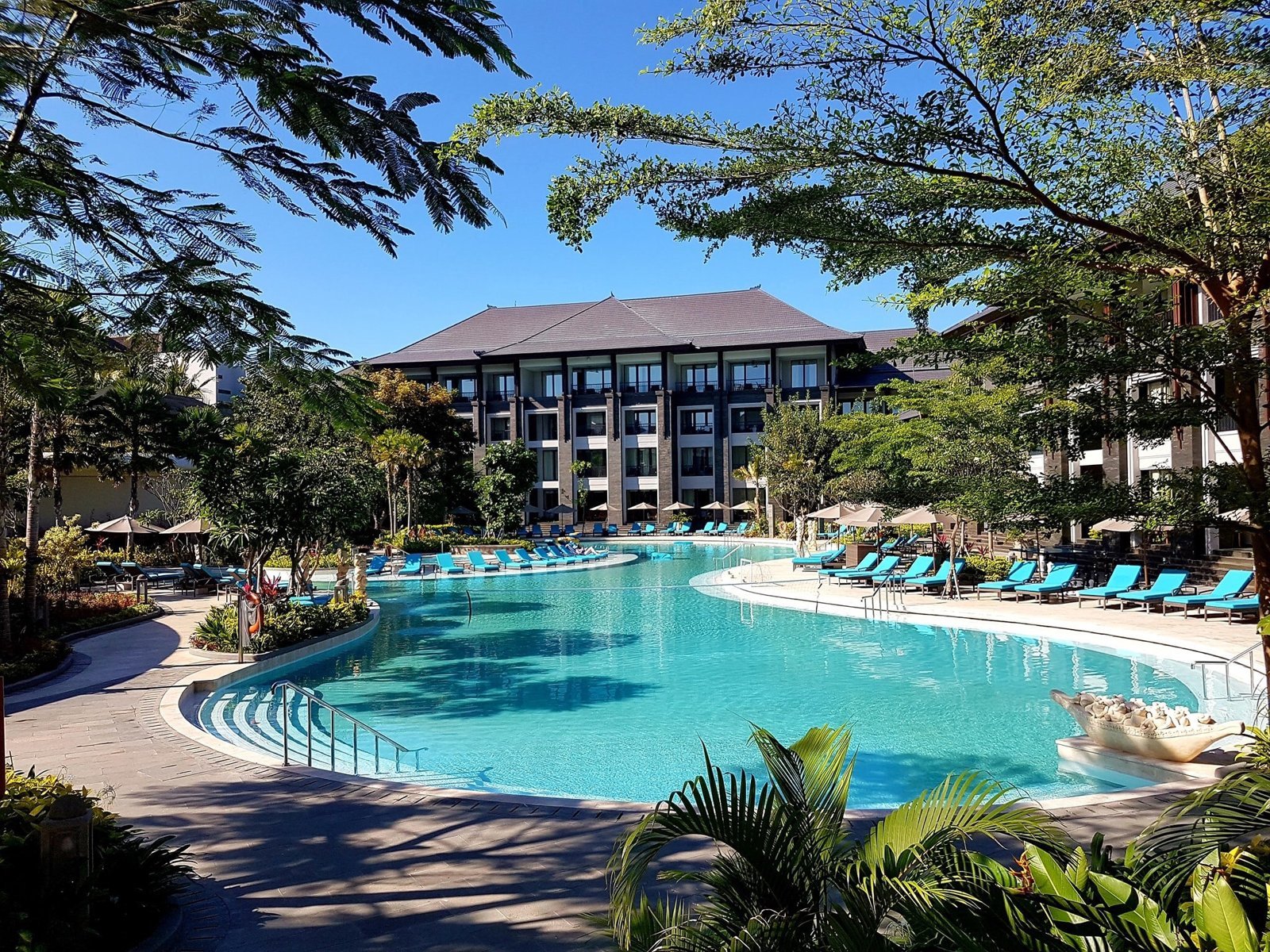
You want the feeling of a trip — the novelty, the relaxation, the break from routine — without the flights, the packing, or the $2,000 bill. A weekend staycation can absolutely feel like a real trip, but only if you treat it like one. The difference between “weekend at home” and “staycation” is intentionality. Here’s how to plan a weekend staycation that genuinely feels like getting away.
Rule #1: Act Like a Tourist in Your Own Town
The core trick: do things you’d do on vacation but never do at home. Visit the museum you’ve driven past for years. Take the food tour. Hike the trail you’ve meant to try. Book the fancy restaurant. Tourists experience a city with fresh eyes — borrow that mindset for 48 hours. Make a list of “tourist things” in your area (check your city’s tourism site — it’s humbling how much you haven’t done) and do three of them. You’ll be shocked how unfamiliar your own town feels when you actually explore it.
Book the Hotel (Yes, Really)
The single biggest staycation upgrade: spend one night in a local hotel. It sounds absurd — paying to sleep 20 minutes from home — but it transforms the experience. No chores visible, no “I’ll just quickly do laundry,” room service, a pool, that hotel-bed feeling. It creates the psychological break that makes a trip feel like a trip. Book the nice-but-not-crazy place: boutique hotels often have weekend deals, and one night is affordable. If a hotel’s out of budget, deep-clean one room and declare it the “hotel room” — fresh sheets, no clutter, do-not-disturb rules. The principle is separation from the everyday.
The Staycation Itinerary
Friday evening: arrival
Check into the hotel (or your transformed room). Nice dinner out — the kind of place you’d pick on vacation. Evening stroll or drinks somewhere with a view. Phones on do-not-disturb. You’re “away” now.
Saturday: the adventure day
Morning: the tourist attraction (museum, historic site, famous hike). Lunch: the hyped restaurant you’ve never tried. Afternoon: something indulgent — spa, wine tasting, boat rental, whatever your area offers. Evening: sunset spot + dinner somewhere new. Pack the day like a vacation day — full but not frantic.
Sunday: the slow day
Sleep in. Long brunch. A park, a bookstore, a neighborhood you’ve never explored. Souvenir shopping (yes, from your own town — it’s funnier than it sounds). Home by evening, relaxed instead of travel-exhausted. That’s the staycation’s secret advantage: no travel day.
Rules That Make It Work
- No chores: the cardinal rule. Dishes, laundry, and errands are banned. If you wouldn’t do it on vacation in another city, don’t do it now.
- Phones on vacation mode: no work email, minimal scrolling. Tell people you’re “away for the weekend” — because you are.
- Eat out (or order in): no cooking unless cooking is the event (a cooking class counts; Tuesday-night pasta doesn’t).
- Dress like you’re away: not formal — just not the usual weekend uniform. The small shift signals “this is special” to your brain.
- Take photos: document it like a trip. You’ll look back on staycation photos with the same fondness as travel photos.
Staycation Ideas by Vibe
- Relaxation: spa day, hotel pool, long brunches, naps without guilt. The anti-burnout staycation.
- Adventure: hiking, kayaking, zip-lining, day trips to nearby towns. Your area has more than you think.
- Culture: museums, theater, live music, historic tours. See finding concerts near you and free outdoor events for ideas.
- Foodie: restaurant crawl, food tour, farmers market + cooking class, brewery/distillery trail.
- Romantic: boutique hotel, nice dinners, sunset spots, no agenda. See date night ideas scaled up to a weekend.
Staycation on a Budget
The whole thing can cost under $200: skip the hotel (transform your bedroom), do free tourist attractions (parks, hiking, free museum days), picnic instead of restaurants, and splurge on exactly one nice meal. The feeling of a trip comes from novelty and intention, not spending. Some of the best staycations are nearly free — they just require actually doing the things instead of defaulting to the couch.
Staycation FAQ
Is a staycation actually restful? Yes — studies on micro-breaks show that even short breaks from routine reduce stress, as long as you genuinely disconnect. The key is the psychological break: no chores, no work, novel experiences. Without those, it’s just a weekend.
What if I can’t stop thinking about home stuff? The hotel trick helps enormously (out of sight, out of mind). So does a packed itinerary — busyness crowds out rumination. And tell yourself: the laundry will be there Monday. It always is.
Staycation with kids? Absolutely — kids love hotel pools and novel experiences as much as adults. Plan one kid-chosen activity per day and everyone’s happy. The “tourist in your town” frame works great for kids.
How is this different from just having a fun weekend? Intentionality and boundaries. A fun weekend happens; a staycation is planned, protected, and structured like travel. That structure is what creates the “away” feeling.
The Takeaway
A weekend staycation feels like a real trip when you: act like a tourist (novel experiences in your own town), create separation (hotel night or transformed space), ban chores and work, and plan an itinerary. It’s not a consolation prize for not traveling — it’s a different, often better, kind of getaway. No airports, no jet lag, all the novelty. Plan one for next weekend; your town is waiting.
Staycation Packing List (Yes, Pack)
Pack a bag even if you’re staying local — the ritual matters. The act of packing signals “trip” to your brain: a small bag with your weekend clothes, toiletries, a book, chargers, and anything you’d bring on vacation. If you’re doing the hotel night, pack like it’s a real getaway. Leave the work laptop at home (non-negotiable). Bring: swim gear (hotel pools!), walking shoes, one nice outfit, layers, sunscreen, and a portable speaker. The packed bag sitting by the door Friday afternoon builds anticipation exactly like pre-trip excitement. It’s psychological, and it works.
Documenting Your Staycation
Treat it like travel photography: take the cheesy tourist photos, try the local landmark selfie, collect a small souvenir. Post about it if you want — “staycation” content is relatable and fun. The documentation habit reinforces the “this was a real trip” feeling afterward. When you look back in six months, you won’t remember that the hotel was 20 minutes from home; you’ll remember the great dinner, the hike, the pool. Memory doesn’t care about distance — it cares about novelty. Give it novelty.
Staycations: Born of Necessity, Kept by Choice
The term staycation took off during the 2008 financial crisis and again in 2020 — but people kept doing them because they work. The concept proved that the trip feeling comes from mindset, not mileage. Your weekend getaway is part of a tradition born from making the best of things — and discovering it was great all along.