
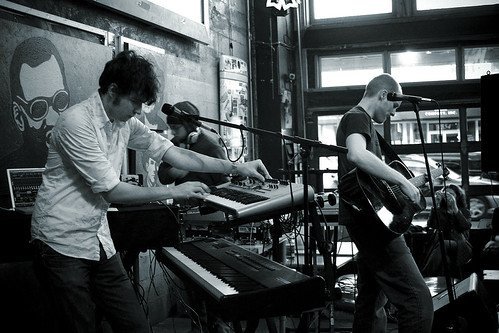
Your town has musicians — probably more than you realize. They’re playing coffee shops, bars, farmers markets, and living rooms, making original music for tiny audiences and smaller paychecks. Supporting local musicians in your community isn’t charity; it’s how music scenes survive, and it’s one of the most rewarding ways to spend your entertainment time and money. Here’s how to do it meaningfully.
Why Local Music Matters
Every famous musician started local. Scenes are ecosystems: venues need audiences, musicians need gigs, and audiences need… to show up. When local scenes thrive, towns get culture, nightlife, community, and identity. When they die, you get another empty downtown and everyone driving an hour for entertainment. The stakes are real but the fix is simple: participate. A healthy local scene also means live concerts near you are always an option — no arena prices, no parking nightmares.
10 Ways to Support Local Musicians
1. Show up to shows
The single most important thing. Buy the ticket (even the $10 one), arrive for the opener, stay for the headliner. Musicians notice empty rooms and full ones; a full small room is electric and keeps venues booking live music. Bring friends — doubling your party doubles the impact.
2. Buy merch directly
That $25 t-shirt or $20 vinyl is often the most profitable thing a musician sells — way more than streaming revenue. Buy at the show (no shipping, no platform cut) and wear it. You’re a walking billboard for someone you believe in.
3. Tip the performers
At free shows, coffee shop gigs, and buskers: tip. Actually tip, not just the thought of tipping. Musicians playing for tips are working; treat it like the service it is.
4. Follow, share, and engage
Free and genuinely valuable. Follow them on social media, share their posts, add their songs to your playlists, tell the algorithm you care. For independent artists, social proof drives bookings — venues check follower counts. Your share might be the one that lands them a festival slot.
5. Request them on local radio
College and community radio stations take requests and champion local music. A few calls requesting a local band can get them airplay they’ve never had. Old-school, effective, free.
6. Hire them
Wedding? Party? Corporate event? Restaurant needing ambiance? Hire local musicians instead of a DJ or a playlist. It lifts any event and pays real money to real artists. Solo acoustic acts are affordable and transform a gathering — consider it for your next themed birthday party.
7. Donate to or join community music organizations
Community radio stations, music education nonprofits, venue preservation funds — these organizations sustain the infrastructure musicians depend on. Memberships are usually cheap and come with perks.
8. Give feedback and encouragement
Tell musicians you liked the show. Buy the CD and say which track is your favorite. Creators run on encouragement more than they’d admit — a genuine compliment after a gig can fuel someone for weeks. It costs nothing.
9. Respect the craft (don’t ask for free)
The flip side of support: don’t ask musicians to play your event “for exposure.” Exposure doesn’t pay rent. If you value it, pay for it. This norm, spread widely, is itself a form of support.
10. Vote for music-friendly policies
Noise ordinances, venue licensing, arts funding — local policy shapes whether scenes survive. Support candidates and measures that fund the arts and protect venues. The unglamorous civic stuff matters enormously.
Finding Your Local Scene
- Venue calendars: check the websites of small venues, bars with music, coffee shops, and breweries. Many post monthly calendars.
- Local press and alt-weeklies: still the best scene coverage in most cities. Their music sections list shows the algorithms miss.
- Social media: follow local venues and a few musicians; the algorithm will then surface more. Search “[your town] music” or “[your town] live music.”
- Open mics: the grassroots of every scene. Go, listen, discover. You might find your new favorite artist playing to twelve people on a Tuesday. Here’s how to find open mic nights.
- Record stores: staff know the scene, flyers cover the walls, and in-store performances happen regularly.
Supporting Local Musicians: FAQ
How much does it cost to support local music? Often nothing — many shows are free or $5-15. The expensive part is arena concerts; local music is the affordable end of live entertainment. A month of local shows costs less than one big-ticket concert.
What if my town doesn’t seem to have a music scene? Look harder — check libraries, churches, farmers markets, breweries, and community centers. Scenes exist in surprising places. If there truly isn’t one, be the demand: attend the occasional show and tell venues you want more.
Is streaming their music enough support? It’s something, but streaming pays fractions of a cent per play. A single merch purchase equals thousands of streams in revenue. Do both, but prioritize direct support.
How do I find local musicians to hire for events? Ask at venues, check local musician Facebook groups or GigSalad/Thumbtack, or ask the artists you see live — most gigging musicians do private events.
The Takeaway
Supporting local musicians comes down to: show up, buy merch, tip, share, hire, and don’t ask for free. It’s affordable, it’s fun, and it’s the difference between a town with a music scene and a town without one. This weekend, skip the algorithm and go hear someone play live within ten miles of your house. You might discover your new favorite band — and they’ll remember you were there.
What Musicians Actually Need Most
Ask working musicians what helps and the answers are consistent: consistent gigs, fair pay, and audiences who show up. Everything else is secondary. The uncomfortable truth is that “support” without money or attendance is just sentiment. So prioritize the things with economic impact: tickets, merch, hiring, tipping. The social media stuff matters too — but it’s the garnish, not the meal. If you do one thing from this list, make it showing up. A musician who’s played to forty engaged people will remember that night for years; a thousand streams they’ll never notice. Be the person in the room.
The Independent Music Ecosystem
Independent music — artists operating outside major labels — has always been where innovation happens, from punk to hip-hop’s early days. Local scenes are the grassroots of that ecosystem. Every major movement started in small rooms like the ones in your town. Showing up isn’t just entertainment; it’s participation in music history.






One Comment