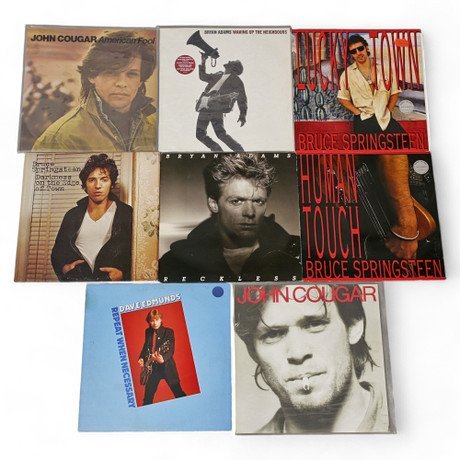
Classic rock isn’t just a radio format — it’s the foundation of modern music. But “classic rock” spans decades and hundreds of essential albums, and knowing where to start is daunting. These are the best classic rock albums every fan should own — the canon, the essentials, the records that explain everything that came after.
What Makes an Album “Essential”
Not just popularity — influence, craft, and staying power. These albums changed music, defined genres, or perfected a sound so completely that everything after is commentary. They’re also, crucially, still thrilling to listen to. Canon without joy is homework; these are all joy.
The Untouchables (Start Here)
- The Beatles – Abbey Road (1969): the most perfect album ever made, probably. Side two’s medley is 16 minutes of pure genius. If you own one classic rock album, this is it.
- Led Zeppelin – IV (1971): “Stairway,” “Black Dog,” “Rock and Roll,” “When the Levee Breaks” — four songs that each defined rock music, on one album. The blueprint for hard rock.
- Pink Floyd – The Dark Side of the Moon (1973): 14 years on the Billboard charts. A concept album about time, money, and madness that’s also just… beautiful. Listen on headphones, lights low.
- Fleetwood Mac – Rumours (1977): the best-selling soap opera in music history — the band falling apart while making perfect pop-rock. Every song is a classic; there’s no filler.
- The Rolling Stones – Exile on Main St. (1972): raw, sprawling, perfect. The Stones at their most Stones — blues, rock, soul, and chaos in 18 tracks.
The 70s Deep Canon
- Who – Who’s Next (1971): “Baba O’Riley,” “Behind Blue Eyes,” “Won’t Get Fooled Again” — Pete Townshend’s synthesizer experiments + rock’s greatest rhythm section.
- David Bowie – The Rise and Fall of Ziggy Stardust (1972): glam rock’s manifesto and one of music’s great personas. Bowie reinvented what a rock star could be.
- Creedence Clearwater Revival – Cosmo’s Factory (1970): 11 tracks, five hit singles, swamp rock perfection. The most efficient great album ever — no waste.
- The Eagles – Hotel California (1976): the title track’s guitar duel alone justifies it; the rest is immaculate California rock.
- Bruce Springsteen – Born to Run (1975): the sound of escape — wall-of-sound production, desperate romance, the great American album.
60s Foundations
- The Beatles – Revolver (1966): where modern rock begins — studio experimentation, songwriting genius, the pivot from pop band to artists.
- The Rolling Stones – Let It Bleed (1969): “Gimme Shelter” might be the greatest album opener ever. Dark, brilliant, essential.
- The Doors – The Doors (1967): “Light My Fire,” “The End” — psychedelic rock’s dark poetry. Morrison’s charisma is all over it.
- Creedence – covered above; add Tommy (The Who, 1969): the rock opera that proved the album could be high art.
- Jimi Hendrix – Are You Experienced (1967): the guitar album. Everything about modern guitar playing starts here.
80s and Beyond the “Classic” Label
- U2 – The Joshua Tree (1987): the 80s’ defining rock album — anthemic, spiritual, enormous.
- Guns N’ Roses – Appetite for Destruction (1987): the most dangerous-sounding debut ever. Raw, hungry, perfect.
- Tom Petty – Full Moon Fever (1989): “Free Fallin'” and nine other perfect songs. The friendliest great album.
- Dire Straits – Brothers in Arms (1985): immaculate production, “Money for Nothing,” and the CD era’s first blockbuster.
For hearing these properly, starting a vinyl collection is the classic-rock fan’s natural next step — these albums were made for the format.
Building Your Classic Rock Education
- Listen in order: start with the Untouchables, then go chronologically. Hearing the evolution (1966 → 1989) teaches you the story of rock.
- Full albums, not playlists: these records are sequenced deliberately — the album is the art form. Give each one a full front-to-back listen.
- Read the stories: the lore (Rumours’ breakups, Exile’s French villa, Zeppelin’s excess) enriches the listening. Rock history is the best gossip.
- See them live: many classic rockers still tour — see finding concerts near you. The Stones in 2026 are still the Stones.
Classic Rock Albums FAQ
What defines “classic rock”? Roughly 1965-1990 guitar-based rock — Beatles through Guns N’ Roses. The radio format froze the canon, but the music keeps expanding as generations claim it.
Where should a total beginner start? Abbey Road, Rumours, Dark Side of the Moon — the three most universally loved entry points. If those don’t grab you, classic rock might not be your thing (and that’s fine).
Vinyl or streaming for these albums? Streaming for discovery; vinyl for the ones you love. These albums were sequenced for two sides — the format is part of the experience.
What about bands not on this list? The canon is deep — Queen (A Night at the Opera), AC/DC (Back in Black), Van Halen (debut), Rush (Moving Pictures), and dozens more all deserve spots. This list is the foundation; build outward by taste.
The Takeaway
The best classic rock albums every fan should own start with the Untouchables — Abbey Road, Led Zeppelin IV, Dark Side of the Moon, Rumours — then expand through the 70s canon and 60s foundations. Listen front-to-back, learn the stories, and see the survivors live. This is the music everything else is built on; knowing it enriches every other genre you’ll ever love.
The Live Experience: Classic Rock in Concert
Many of these artists still tour — and seeing them is a pilgrimage. The Stones, The Who, Springsteen, and others remain formidable live acts decades on. Tips: see them sooner rather than later (time is undefeated), don’t expect note-perfect recreations (expect energy), and sit/stand where the sound is best (center, 2/3 back — the same principle as theater seating). Tribute bands are the budget alternative — the good ones are genuinely excellent and cost a tenth of the price. And festivals often stack multiple legacy acts: one ticket, three legends, zero regrets.
Desert Island Discs: The Five-Album Test
If you could only keep five: Abbey Road (perfection), Led Zeppelin IV (power), Dark Side of the Moon (depth), Rumours (songwriting), and one wild card that’s purely yours — the album that made you love rock, whatever it is. That personal fifth album matters as much as the canonical four. Canon gives you the language; your own pick gives you the accent. The best record collections — and the best music lovers — have both.
What ‘Classic Rock’ Even Means
Classic rock started as a radio format in the 1980s and became a canon — the format froze a moment in music history and turned it into a permanent genre. Debates about the boundaries never end (is 90s alternative ‘classic’ now?). They don’t need to. The music endures regardless of labels.