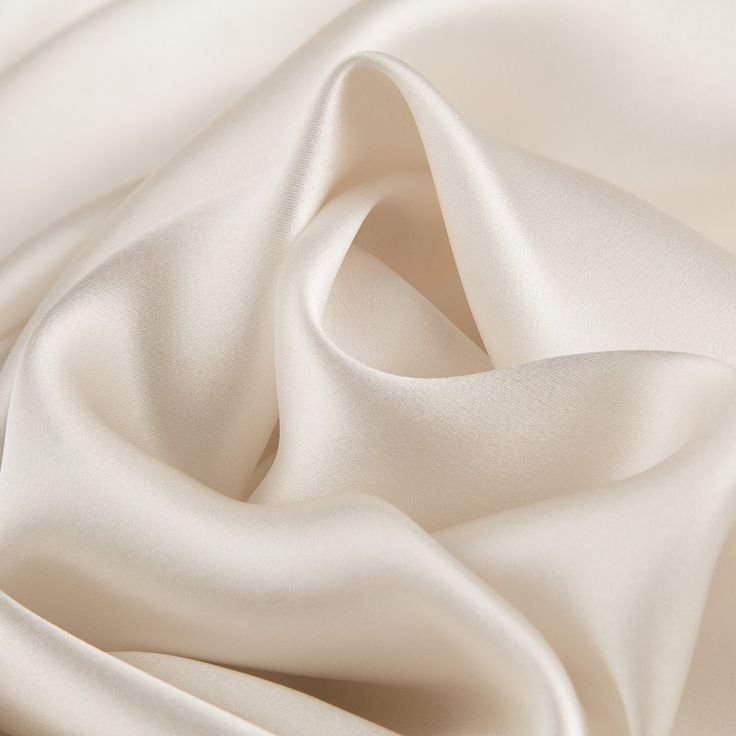
‘Dry clean only’ on a silk label scares most people into expensive cleaning bills — but much of it is manufacturer caution, not necessity. Most silk can be safely hand-washed at home with the right technique, saving you $10-15 per garment per clean. That’s why so many people ask how do I care for silk garments at home — and why you deserve a real answer, not clichés.
Silk is strong when dry and delicate when wet, which is the whole key: gentle handling, cool water, proper drying. Here’s the complete home care guide.
Hand-Washing Silk Safely
The method: fill a basin with cool water (never hot — heat damages silk fibers), add a small amount of gentle detergent (specialized silk wash, baby shampoo, or gentle detergent — never regular detergent, bleach, or fabric softener). Submerge the garment, gently swish for 3-5 minutes — no wringing, twisting, or scrubbing. Let it soak briefly, then rinse in cool clean water until no suds remain.
Test first: dab the detergent solution on a hidden seam and check for color bleeding. Brightly colored, printed, or structured silk (pleated, lined, with interfacing) is riskier — when in doubt, dry clean those. But plain silk blouses, scarves, and camisoles? Hand-wash confidently. You’ve been paying for something you can do in 10 minutes. The Laundress silk care guides
- Cool water + gentle detergent: silk wash, baby shampoo, or gentle detergent only.
- Swish 3-5 minutes: no wringing, twisting, or scrubbing — ever.
- Test for colorfastness: hidden seam dab-test before full washing.
- Structured/printed silk: dry clean: pleats, lining, interfacing don’t survive washing.
- Never bleach or soften: both destroy silk fibers.
Drying and De-Wrinkling Without Damage
Drying is where silk gets ruined. Roll the wet garment in a clean white towel and press gently to absorb water — never wring. Then lay flat or hang on a padded hanger away from direct sunlight and heat (sun fades and weakens silk; radiators cook it). Silk dries quickly; don’t leave it damp and bunched, which invites mildew and creases.
For wrinkles: a cool iron on the reverse side while slightly damp, with a press cloth between iron and silk — direct hot iron scorches silk instantly and the shine mark is permanent. Better: a handheld steamer held a few inches away, which relaxes wrinkles with zero contact risk. Hang silk in a steamy bathroom works too. The rule: gentle heat, never direct high heat. Good Housekeeping delicate fabric care
- Towel-roll, don’t wring: press water out gently in a clean white towel.
- Dry flat or padded hanger: away from sun and heat — both damage silk.
- Cool iron, reverse side: with press cloth; direct heat scorches permanently.
- Steamer is safest: held inches away — zero contact, zero risk.
- Don’t leave damp and bunched: invites mildew and sets creases.
Stain Removal and Storage
Silk stains: act fast, blot (never rub) with cool water. For oil stains, sprinkle cornstarch or talcum powder immediately — it absorbs the oil before it sets; brush off after 30 minutes, then hand-wash. For water spots (common on silk), sometimes re-washing the whole garment evenly removes the spot — partial wetting causes the rings. Persistent or valuable-piece stains: take to the dry cleaner and point out the stain specifically.
Store silk clean (body oils and perfume attract pests and yellow over time), in breathable garment bags — never plastic. Padded hangers for blouses and dresses; fold knits to avoid hanger marks. Cedar blocks deter moths (silk’s enemy). Keep out of direct sunlight in storage. Well-kept silk lasts decades — it’s one of the most durable natural fibers when treated right.
- Oil stains: cornstarch ASAP: absorbs before setting; brush off, then wash.
- Blot, never rub: rubbing spreads stains and damages wet silk fibers.
- Store clean + breathable: garment bags, not plastic; padded hangers.
- Cedar for moths: silk is a moth target — protect it.
- Silk lasts decades: proper care makes it one of the longest-lived fabrics.
Common Mistakes to Avoid
Let me save you some trial and error. These five mistakes are the reason most people’s efforts in this area stall out — and each one is completely avoidable with a minute of awareness.
- Machine washing on regular cycle: agitation and heat destroy silk. Hand-wash cool and gentle, or don’t wash at all.
- Wringing out water: wet silk is fragile — wringing breaks fibers. Towel-roll and press, never twist.
- Hot iron directly on silk: scorches instantly and the shine mark is permanent. Cool iron, reverse side, press cloth — or steam.
- Drying in direct sun: UV fades and weakens silk. Dry flat or on padded hangers, away from sun and heat.
- Storing dirty: body oils and perfume yellow silk over time and attract pests. Always store clean, in breathable bags.
Frequently Asked Questions
Can I machine wash silk?
Risky — machine agitation damages silk fibers even on delicate cycles. Some sturdy silk blends survive a mesh-bag delicate wash, but hand-washing is safer and takes 10 minutes. When the label says dry clean only on structured silk, believe it.
How do I remove stains from silk?
Act fast: blot (never rub) with cool water. Cornstarch or talcum powder on oil stains absorbs before setting. Water spots sometimes vanish with an even full re-wash. Valuable or stubborn stains: point them out to a dry cleaner specifically.
Why does silk get water spots?
Partial wetting leaves mineral rings as it dries unevenly — that’s why spot-cleaning silk often makes it worse. Even, full-garment washing (or professional cleaning) avoids the rings. It’s a quirk of the fiber, not damage.
How long does silk last with proper care?
Decades — silk is one of the strongest natural fibers when treated right. Vintage silk garments from the mid-20th century are still wearable. The care routine (gentle wash, proper dry, clean storage) is what buys that longevity.
Pro tip: Revisit this guide in 30 days. You’ll catch details you missed the first time, and the second read tends to stick because you’ve got real experience to attach it to.
How do I care for silk garments at home: The Bottom Line
Silk at home: hand-wash in cool water with gentle detergent (swish, don’t wring), test colorfastness first, towel-roll dry and lay flat away from sun and heat, de-wrinkle with a steamer or cool iron on reverse with a press cloth. Treat stains fast (cornstarch for oil, blot never rub), store clean in breathable bags with cedar. Skip the dry cleaner for plain silk — save it for structured, printed, or precious pieces. Ten minutes of care replaces a $15 cleaning bill, and your silk will outlive the trend cycle.