
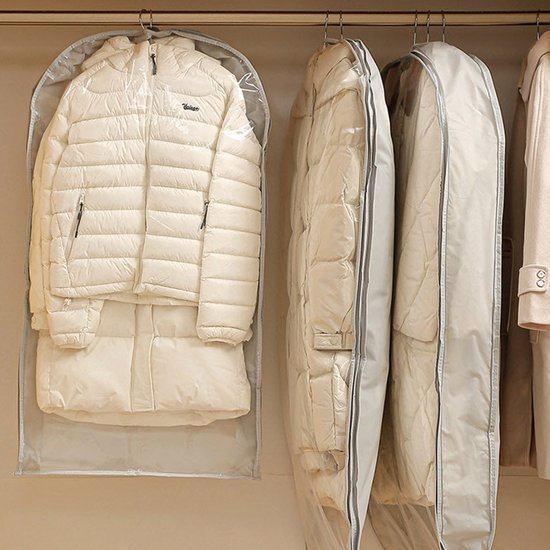
Every fall, people pull out winter coats to discover moth holes, musty smells, flattened down, or mysterious stains that ‘weren’t there in March.’ All of it was preventable. Coats are among the most expensive items you own — a good wool coat runs $200-500 — and six months of bad storage can quietly destroy them. If you’re wondering what is the best way to store winter coats during summer, this guide gives you the straight, no-fluff answer.
Proper summer storage takes about 30 minutes per coat and adds years of life. Here’s the method.
Step 1: Clean Before You Store (Non-Negotiable)
Never store a dirty coat. Invisible stains — food, body oils, perfume — oxidize over months into permanent yellow marks, and food residue attracts moths and carpet beetles. This is the #1 storage mistake: the coat looks clean in April and ruined in October. Check pockets, brush off surface dirt, and spot-clean visible marks.
Follow the care label: wool coats usually need dry cleaning once a season (over-cleaning wears wool, but one annual clean before storage is right). Down jackets can usually be machine washed on gentle with down-specific detergent, then thoroughly dried with tennis balls to restore loft. Leather and suede need professional cleaning. The coat must be completely dry before storing — any moisture invites mildew. The Laundress garment care guides
- Never store dirty: invisible stains oxidize into permanent marks over months.
- Wool: dry clean once: annual pre-storage clean; over-cleaning wears wool.
- Down: wash + tennis balls: gentle cycle, down detergent, dry fully to restore loft.
- Must be bone dry: any moisture before storage = mildew risk.
- Empty and brush pockets: crumbs and debris attract pests.
Step 2: Protect and Pack Correctly
Use breathable garment bags — never plastic. Plastic traps moisture and the off-gassing can yellow fabrics; breathable canvas or cotton bags protect from dust while letting air circulate. For wool, add cedar blocks or lavender sachets as moth deterrents (replace yearly — old cedar loses potency; sand it lightly to refresh). Mothballs work but stink permanently; cedar and lavender are the civilized choice.
Hang structured coats (wool, tailored) on wide, sturdy hangers that support the shoulders — thin wire hangers create shoulder dents over months. Heavy down coats and puffers can be stored loosely folded in breathable storage bags; don’t compress them long-term in vacuum bags, which can damage down clusters’ ability to re-loft. Leather needs breathing room and occasional conditioning even in storage. Good Housekeeping coat storage guides
- Breathable garment bags only: never plastic — it traps moisture and yellows fabric.
- Cedar/lavender for moths: refresh yearly; skip stinky mothballs.
- Wide sturdy hangers: support structured shoulders; wire hangers dent over months.
- Don’t vacuum-seal down: long compression damages loft permanently.
- Cool, dark, dry location: attics (hot) and basements (damp) are the worst options.
Storage Location and Fall Revival
Location matters: cool, dark, and dry. A bedroom closet or under-bed storage beats a hot attic (heat degrades fabrics and adhesives) or a damp basement (mildew). If closet space is tight, breathable under-bed bins work well for folded puffers and casual coats. Keep coats away from direct sunlight, which fades even through windows over months.
In fall, revive before wearing: air coats outside for a few hours (fresh air deodorizes wonderfully), brush wool with a garment brush to lift the nap, shake and fluff down to restore loft, and condition leather that’s been sitting. Check for needed repairs — loose buttons, small tears — before the cold hits. Thirty minutes of revival beats discovering problems on the first freezing morning.
- Cool, dark, dry: bedroom closet > attic (hot) or basement (damp).
- Under-bed bins work: breathable bins for folded puffers and casual coats.
- No direct sunlight: fades fabrics over months, even through windows.
- Fall air-out: a few hours outside freshens everything before first wear.
- Pre-season repair check: buttons, tears, zippers — fix before you need the coat.
Common Mistakes to Avoid
Knowing what to do is only half the battle — knowing what not to do saves you from the traps that catch most people. These are the mistakes I see over and over, and every one of them is avoidable once you know to watch for it.
- Storing dirty coats: invisible stains oxidize into permanent marks over summer. Clean everything before storage — non-negotiable.
- Plastic garment bags: they trap moisture and off-gas. Breathable canvas bags protect from dust while letting air circulate.
- Vacuum-sealing down: long-term compression damages down clusters’ loft permanently. Store puffers loosely in breathable bags.
- Attic or basement storage: heat degrades fabrics and adhesives; dampness invites mildew. Cool, dark, dry — bedroom closet wins.
- Skipping moth protection: wool is moth food. Cedar blocks or lavender sachets, refreshed yearly — cheap insurance for expensive coats.
Frequently Asked Questions
How often should I dry clean a wool coat?
Once per season — before summer storage. Over-cleaning wears wool fibers; under-cleaning lets stains set and attracts moths. Spot-clean during the season, full clean annually.
Can I wash a down jacket at home?
Usually yes: gentle cycle, down-specific detergent, then thorough drying with tennis balls or dryer balls to restore loft. The critical part is complete drying — damp down clumps and mildews. Check the label first.
How do I get the musty smell out of stored coats?
Air outside for several hours (fresh air deodorizes remarkably), brush wool to lift the nap, and ensure full dryness. Persistent mustiness after airing may mean mildew — inspect carefully and clean again if needed.
What’s the best way to store leather jackets?
Clean and condition first, hang on wide padded hangers in breathable garment bags, in a cool dry place. Condition once during storage if it’s a long summer. Never plastic, never folded long-term (creases set).
Pro tip: Pick one change from this guide and do it today — not tomorrow, today. Momentum beats planning: a single action taken now outperforms a perfect plan started next week.
What is the best way to store winter coats during summer: The Bottom Line
Store winter coats right: clean everything before storing (invisible stains become permanent), use breathable garment bags (never plastic), add cedar for moths, hang structured coats on wide hangers, don’t vacuum-compress down, and choose a cool, dark, dry spot. In fall, air out, brush, fluff, and repair before first wear. Thirty minutes of proper storage protects a $300 coat for a decade — the ROI is absurd.






One Comment