Black spots on the ceiling. That musty smell when you walk in. Grout that never quite looks clean no matter what you do. Bathroom mold is more than ugly — it can trigger allergies, aggravate asthma, and quietly rot the structures behind your walls. But here’s the encouraging part: mold needs three things to grow (moisture, food, warmth), and your bathroom only reliably provides one you can’t eliminate. Control the moisture and you prevent the mold. Here’s how to prevent mold from growing in your bathroom, for good.
Rule #1: Ventilate Like Your Bathroom Depends on It (It Does)
This is 80% of mold prevention. Bathrooms generate enormous moisture — a single shower puts a pint or more of water into the air. That moisture has to go somewhere, and without ventilation, it goes into your walls and ceiling.
- Run the exhaust fan during AND 20–30 minutes after every shower. The “after” part is what most people skip, and it’s critical — surfaces stay wet long after you step out. A $15 humidity-sensing switch automates this perfectly (fan runs until humidity drops, then shuts off).
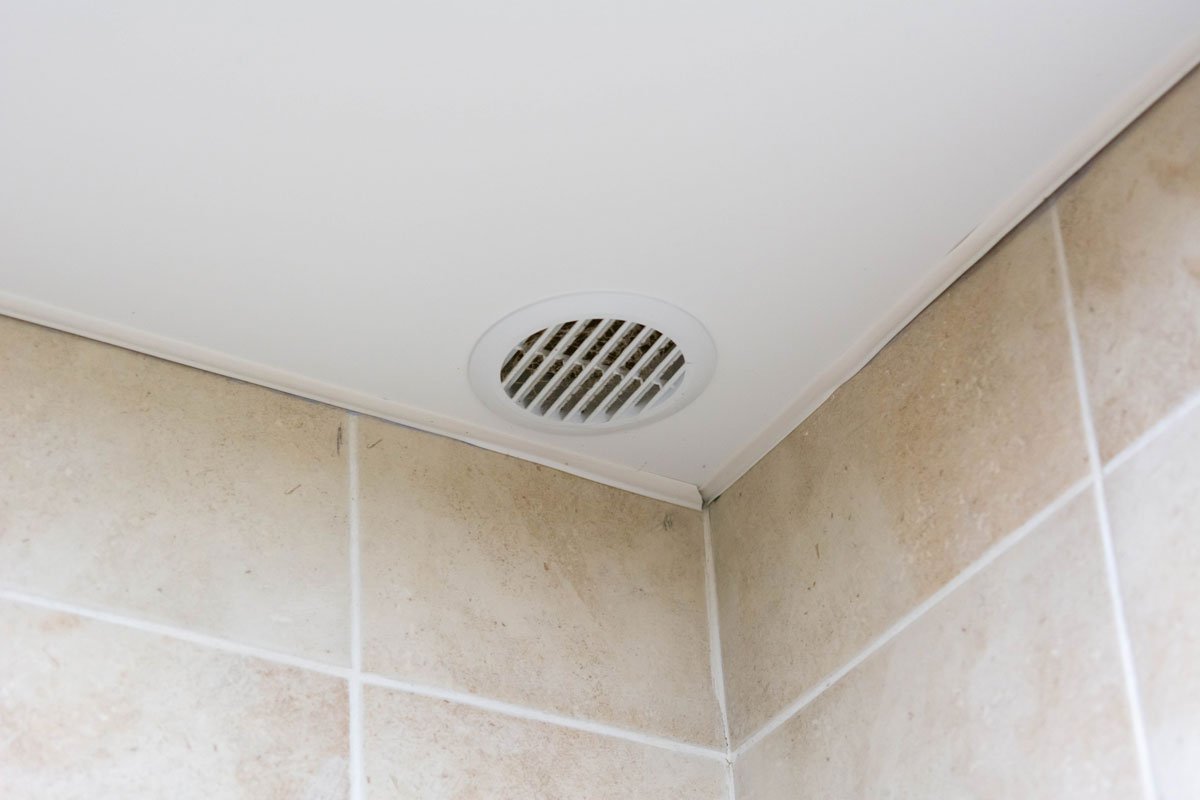
- Check your fan actually works. Hold toilet paper up to it — if it doesn’t stick firmly, the fan is weak, clogged, or venting into the attic (a depressingly common installation fail that causes mold rather than preventing it). Fans should vent outside, through the roof or wall — never into the attic.
- Upgrade if needed. Fan capacity is measured in CFM — you need roughly 1 CFM per square foot of bathroom (50 CFM minimum). A $100–$150 quality fan is cheap mold insurance. Look for low sone ratings (quiet = actually used).
- No fan? Open the window during and after showers. It’s less effective but far better than nothing. And prioritize installing a fan — it’s the highest-value bathroom upgrade there is.
The EPA’s mold guidance is unambiguous: moisture control is the key to mold control. Everything else is secondary.
Rule #2: Deny Mold Its Footholds
Mold eats soap scum, body oils, and dust — all abundant in bathrooms. Reduce the buffet:
- Squeegee shower walls and glass after every shower. Thirty seconds, enormous impact. Less standing water = less mold food + less moisture.
- Use liquid body wash instead of bar soap. Bar soap leaves far more scum — mold’s favorite meal.
- Wash shower curtains regularly (or replace a $10 liner every few months). Curtains are mold’s beachfront property.
- Keep the bathroom clean-ish. You don’t need to sterilize weekly, but regular cleaning removes the organic matter mold feeds on. Our grout cleaning guide covers the details.
- Fix leaks immediately. A dripping faucet or running toilet keeps surfaces perpetually damp — address plumbing leaks promptly with basic DIY repairs before they become mold problems.
Rule #3: Seal and Maintain Water Barriers
- Caulk integrity: Cracked or missing caulk lets water behind tiles and tubs — mold grows happily in the dark back there. Inspect yearly and re-caulk at the first sign of failure. Our bathtub caulk guide covers the right product and method.
- Grout sealer: Sealed grout resists moisture penetration. Reseal shower grout every 1–2 years.
- Paint: Use mold-resistant bathroom paint (it contains mildewcides) on walls and ceilings — not a substitute for ventilation, but a useful backup layer.
What If Mold Is Already There?
Small areas (under ~10 sq ft) you can handle: scrub with a mold-killing cleaner (concrobium, hydrogen peroxide, or diluted bleach — ventilate well), fix the moisture source, and monitor. Call a professional if: the area is large, it’s inside walls (musty smell with no visible mold), it’s black mold over a wide area, or anyone in the household has respiratory issues. Remediation pros have containment equipment for a reason — disturbing large mold colonies without it spreads spores everywhere.
And be honest about root causes: if mold keeps returning to the same spot, there’s a moisture source you haven’t found — a slow pipe leak, failed grout, exterior water intrusion. Recurring mold is a symptom; find the disease.
The Daily 2-Minute Routine
Mold prevention distilled to a habit:
- Fan on before the shower starts, off 20+ minutes after (or humidity switch — set and forget)
- Quick squeegee of walls and glass
- Shower curtain spread out (not bunched) to dry
- Bathroom door left open after (lets moisture dissipate into the larger house)
Two minutes. That’s the whole program, plus annual caulk/grout checks.
Testing for Mold vs. Mildew vs. Just Dirt
Not everything dark on bathroom surfaces is dangerous mold. Surface mildew on grout and caulk — the pinkish or light-gray film — is cosmetic and cleans off easily; it’s the most common “mold” people panic about. True mold colonies are darker, often black or green-black, may look fuzzy or slimy, and return quickly after cleaning if the moisture source persists. Dirt and soap scum discolor grout brownish-gray but lack the organic growth pattern.
The practical test: clean it thoroughly and fix the moisture. If it doesn’t return in a few weeks, it was surface-level. If it returns in the same spot despite cleaning and ventilation, there’s sustained moisture feeding it — investigate behind the surface (leaking pipe, failed grout, exterior intrusion). DIY mold test kits are widely sold but of limited value — they detect mold spores that exist in every home; they can’t tell you whether you have a problem. Professional testing ($300–$600) makes sense only for large hidden infestations or health investigations, not for shower grout.
When in doubt about health effects, the EPA’s mold resource center distinguishes between nuisance mold and situations requiring professional remediation — most bathroom mold is firmly in the DIY-cleanable category once the moisture is controlled.
The Bottom Line
To prevent mold from growing in your bathroom: ventilate aggressively (fan + 20 minutes after), squeegee after showers, fix leaks immediately, maintain caulk and grout seals, and use mold-resistant paint. Mold can’t grow without sustained moisture — control the moisture and you win permanently. It’s unglamorous maintenance, but it’s the difference between a bathroom that stays fresh for decades and one that becomes a remediation project. If the bathroom needs a bigger refresh anyway, our minor remodel cost guide helps you plan it right — including proper ventilation from the start.