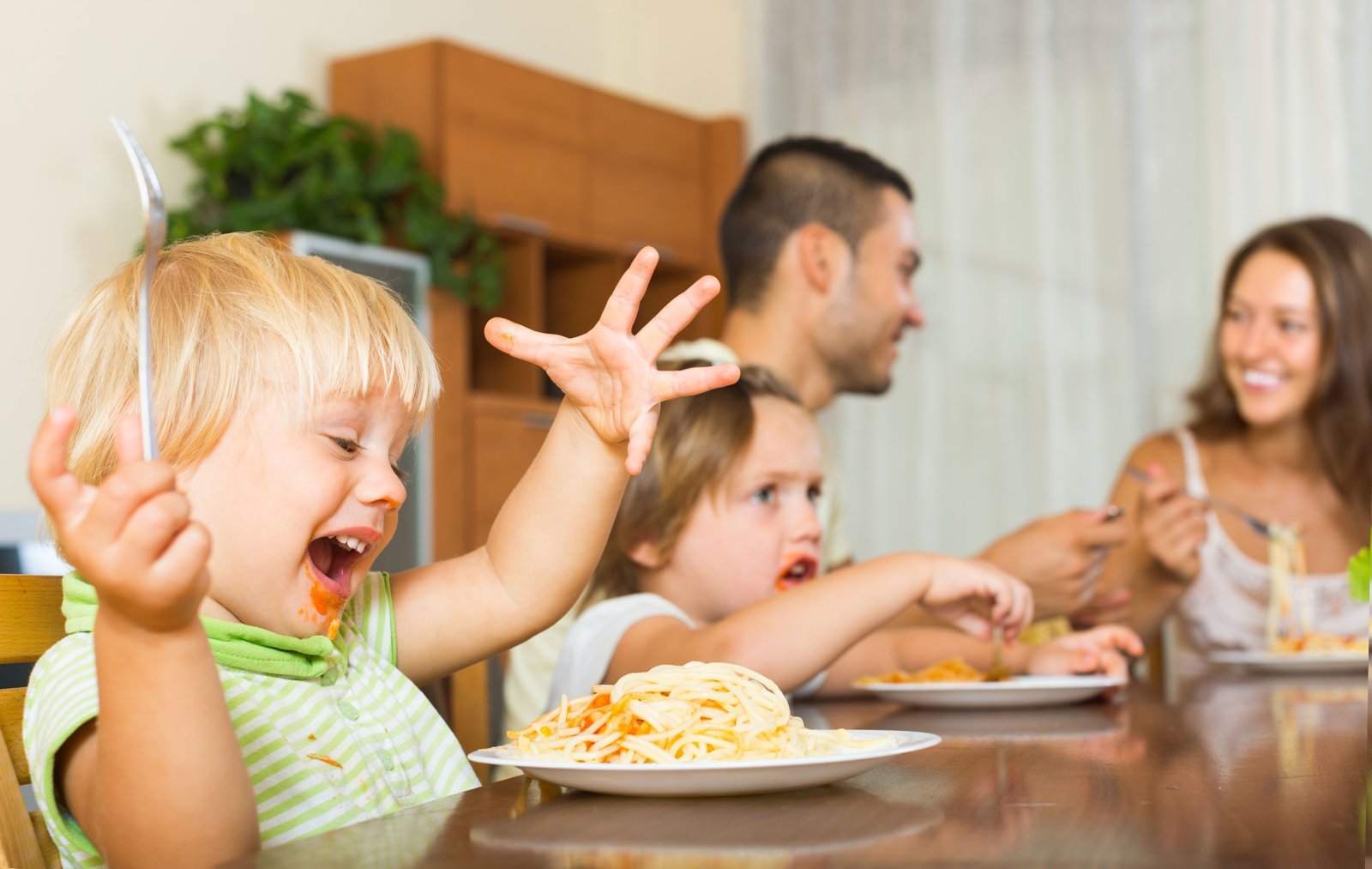
If you’ve got a picky eater at your table, you know the nightly standoff: you cook one meal, they reject it, and suddenly you’re running a short-order diner making chicken nuggets at 7 PM. Cooking for picky eaters without making two meals feels impossible — but it’s not. The trick isn’t finding magic recipes they’ll suddenly love. It’s changing the structure of the meal so one dinner works for everyone.
First: Understand What’s Actually Happening
Picky eating is usually about control, sensory issues, or genuine taste sensitivity — not defiance. Kids (and some adults) are often sensitive to bitter flavors, mixed textures, or foods touching each other. Knowing this changes your strategy: you’re not fighting bad behavior, you’re working around real preferences. Pressure and bribes backfire — research consistently shows that forcing bites increases resistance. The goal is a low-stress table where the picky eater gradually expands their comfort zone.
The Core Strategy: Deconstruct the Meal
This is the single most effective approach. Instead of serving a finished dish, serve the components separately and let everyone assemble their own plate:
- Taco/nacho bar: seasoned meat, beans, rice, cheese, lettuce, salsa, tortillas. Picky eater has a cheese quesadilla; everyone else has loaded tacos. Same ingredients, one prep.
- Pasta bar: plain pasta, marinara, meatballs or chicken, parmesan, steamed broccoli on the side. They eat buttered noodles; you eat the full dish.
- Build-your-own bowls: rice or grains, a protein, roasted vegetables, sauces. Everyone builds what they’ll eat.
- DIY pizza night: dough, sauce, cheese, toppings. Even the pickiest eater will eat pizza they made themselves — and you can use homemade pizza dough for the full experience.
- Breakfast for dinner: eggs, pancakes, bacon, fruit. Almost no one rejects breakfast foods, and it’s cheap and fast.
The deconstructed approach works because the picky eater gets autonomy without you cooking twice. You’re making the same food — just serving it smarter.
Seven More Tactics That Actually Work
1. The “safe food” anchor
Every meal should include at least one thing the picky eater already accepts — bread, rice, fruit, cheese. They won’t starve, you won’t panic, and the pressure drops for everyone. A hungry kid with only scary food in front of them just gets more anxious, not more adventurous.
2. Sauce and toppings on the side
So many food rejections are about sauces touching things or unexpected textures. Serve sauces, dressings, and toppings separately. Plain chicken with dipping sauce on the side gets eaten; chicken drowning in sauce gets rejected. This one change fixes a shocking number of dinner battles.
3. Involve them in cooking
Kids who help cook are dramatically more likely to eat the result. Let them wash vegetables, stir, choose between two vegetables at the store, or assemble their own tacos. Ownership changes the dynamic completely. Even teenagers respond to “help me figure out dinner” better than “eat what I made.”
4. Bridge from accepted foods
Don’t leap from chicken nuggets to salmon. Bridge: nuggets → homemade chicken tenders → grilled chicken strips → chicken in pasta → fish sticks → baked fish. Each step is a small stretch from something already accepted. This is slow — think months, not days — but it works.
5. Change the form, not the food
Sometimes it’s texture, not taste. A kid who rejects steamed broccoli might eat it roasted (crispy, caramelized, totally different). Raw carrots vs. roasted carrots are practically different foods. Smoothies hide vegetables kids won’t touch on a plate. Same nutrition, acceptable format.
6. Serve new foods family-style, no pressure
Put the new dish on the table alongside everything else. Don’t serve it directly onto their plate, don’t announce it, don’t watch them. Just let it exist. It often takes 10-15 neutral exposures before a child tries something new. Patience is the whole game here.
7. Stop short-order cooking (gradually)
This is the hard one. If you’ve been making separate meals, don’t quit cold turkey — that’s a recipe for meltdowns. Instead, transition: make the family meal plus their safe food as a side (not a separate meal). Over weeks, the “separate meal” shrinks to a side dish, then to just the deconstructed components. You’re weaning the habit, not breaking it overnight.
What About Adults Who Are Picky?
All of this applies to adults too — the deconstructed meal is a lifesaver when your partner won’t touch anything green. The only difference: you can have an honest conversation. “I’m making stir-fry; I’ll keep your portion plain with just chicken and rice” is a reasonable accommodation that doesn’t double your cooking. Most adult picky eaters are happy to work around a flexible meal structure.
Picky Eater FAQ
Should I make my child sit until they eat? No — food standoffs create negative associations that make picky eating worse. Serve the meal, include a safe food, and let them decide how much to eat. A missed meal won’t hurt them; a power struggle will set you back.
When is picky eating a medical concern? If a child eats fewer than 20 foods total, gags or vomits regularly, isn’t growing properly, or has extreme sensory reactions, talk to a pediatrician. What looks like pickiness can sometimes be sensory processing issues or ARFID, which deserve professional support.
Do kids grow out of picky eating? Most do, gradually, especially with low-pressure exposure. The peak picky years are roughly 2-6; by the teen years most formerly picky eaters have broadened significantly. Your job is just to not make it worse in the meantime.
What if my picky eater only eats beige foods? Extremely common — beige foods (bread, pasta, chicken nuggets, fries, crackers) feel safe because they’re predictable. Work within the beige palette first (different pastas, different breads), then bridge outward slowly. And sneak nutrition in where you can: protein in smoothies, vegetables in sauces.
The Takeaway
Cooking for picky eaters without making two meals comes down to one principle: serve flexible, deconstructed meals where everyone assembles their own plate from the same ingredients. Add a safe-food anchor, keep sauces on the side, involve them in cooking, and be patient. You’re not trying to win tonight’s dinner — you’re building a broader eater over months and years. One meal, many plates, zero short-order cooking.
The Science of Picky Eating
Researchers call extreme picky eating food neophobia — a reluctance to try new foods that’s partly genetic and most intense in early childhood. Understanding the biology helps parents stay patient: you’re working with wiring, not willpower. The research consistently supports low-pressure exposure over force — which is exactly what the strategies above do.