
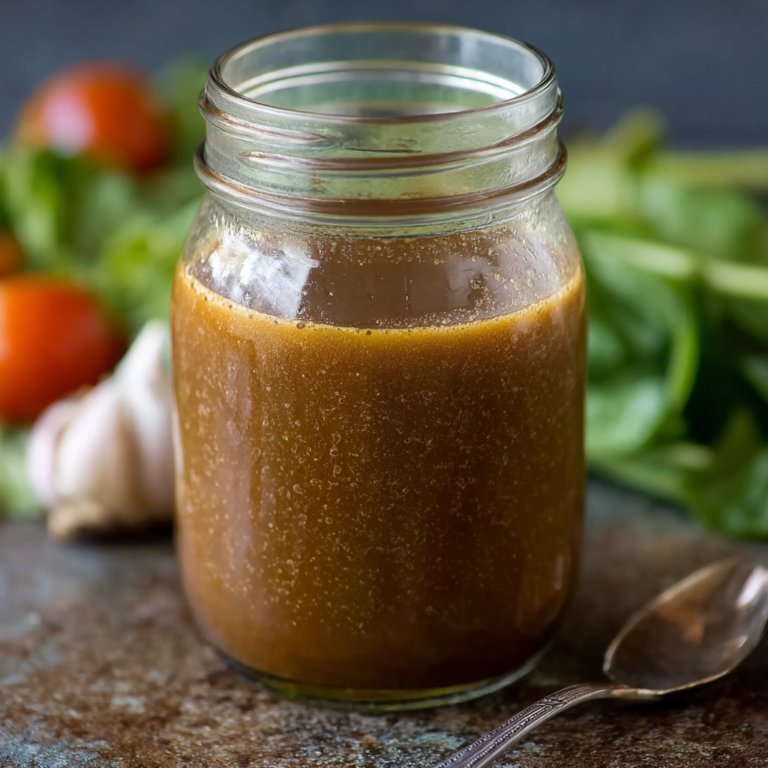
Store-bought salad dressing is one of the biggest kitchen rip-offs going. You’re paying $5 for soybean oil, sugar, and preservatives when the homemade version takes literally five minutes and tastes ten times better. I’ve been making my own salad dressing for years, and I can count on one hand the times I’ve bought a bottle since. Here’s how to make your own salad dressing in under five minutes — plus the formula that lets you invent endless variations.
The Universal Salad Dressing Formula
Almost every vinaigrette on earth follows the same ratio:
3 parts oil : 1 part acid + seasoning
That’s it. Three tablespoons of olive oil, one tablespoon of vinegar or lemon juice, a pinch of salt, some pepper, maybe a dab of mustard or honey. Shake it in a jar. Done. Once you internalize this ratio, you never need a recipe again — you just riff.
5 Five-Minute Dressings to Start With
1. Classic balsamic vinaigrette
3 tbsp olive oil, 1 tbsp balsamic vinegar, 1 tsp Dijon mustard, 1 tsp honey, salt and pepper. Shake in a jar. The mustard emulsifies it so it doesn’t separate immediately. Goes with everything, especially salads with fruit or cheese.
2. Lemon-herb vinaigrette
3 tbsp olive oil, 1 tbsp fresh lemon juice, 1 minced garlic clove, 1 tbsp chopped fresh herbs (whatever you have), salt and pepper. Bright, fresh, perfect on salmon or grain bowls, not just salad.
3. Creamy-ish tahini dressing
3 tbsp tahini, 2 tbsp lemon juice, 1 tbsp olive oil, 1 tsp maple syrup, water to thin, salt. Whisk until smooth. Nutty, rich, and completely dairy-free — great on kale salads and roasted vegetables.
4. Asian-inspired sesame-ginger
2 tbsp neutral oil, 1 tbsp toasted sesame oil, 1 tbsp rice vinegar, 1 tbsp soy sauce, 1 tsp grated ginger, 1 tsp honey. Fantastic on cabbage slaw, soba noodle salads, or as a marinade.
5. Quick “ranch-ish” yogurt dressing
1/2 cup Greek yogurt, 1 tbsp lemon juice, 1 tbsp olive oil, garlic powder, onion powder, dried dill, salt and pepper. Creamy without mayo, high in protein, ready in two minutes. Kids who claim to hate salad dressing often like this one.
The Jar Method (Fastest Way)
Forget whisking in a bowl. Put everything in a small mason jar, screw the lid on tight, and shake for 15 seconds. The shaking emulsifies better than whisking, there’s nothing to wash except the jar (which doubles as storage), and you look like you know what you’re doing. This is genuinely the whole technique.
Endless Variations: Swap Any Element
Once you know the formula, play with it:
- Oils: extra-virgin olive (fruity), avocado (neutral), toasted sesame (nutty), walnut (rich)
- Acids: red wine vinegar, apple cider vinegar, balsamic, fresh lemon/lime juice, orange juice
- Sweeteners: honey, maple syrup, a pinch of sugar — just a touch balances the acid
- Emulsifiers: Dijon mustard, mayo, tahini, miso — these keep the dressing from separating
- Flavor bombs: minced garlic, shallots, fresh herbs, grated parmesan, chili flakes, miso paste
My personal house dressing: olive oil, red wine vinegar, Dijon, a smashed garlic clove, oregano, salt, pepper. I make a big jar every Sunday and it lasts the week.
Storage: How Long Does Homemade Dressing Last?
- Vinaigrettes (oil + vinegar): 2-3 weeks in the fridge. The oil may solidify — let it sit at room temp 10 minutes and shake.
- Dressings with fresh garlic/herbs: about a week. Fresh ingredients are the limiting factor.
- Yogurt or dairy-based: 5-7 days, same as the dairy itself.
- Always refrigerate homemade dressing — no preservatives means no pantry storage.
Label the jar with the date. And give it a sniff before using if it’s been a while — rancid oil smells like crayons or old paint, and you’ll know.
Salad Dressing FAQ
Why does my dressing separate? Totally normal for vinaigrettes — oil and vinegar don’t naturally mix. Mustard, honey, or miso help it hold together longer, but a quick shake before pouring always fixes it.
Can I use dried herbs instead of fresh? Yes — use about a third as much (dried is more concentrated). Add them a few minutes ahead so they soften and release flavor.
What’s the healthiest salad dressing? Homemade olive-oil vinaigrettes, generally — you control the oil quality, salt, and sugar. Store-bought “light” dressings often just replace fat with sugar and thickeners.
How much dressing per salad? Less than you think — about 2 tablespoons for a large salad. You can always add more. Drowning the greens is the most common homemade-dressing mistake.
The Takeaway
Making your own salad dressing in under five minutes is one of the highest-return kitchen habits there is: better taste, better ingredients, lower cost, and infinite variety from one simple ratio. Grab a jar, shake up the classic balsamic tonight, and you’ll wonder why you ever paid for the bottled stuff.
Common Homemade Dressing Mistakes
- Too much vinegar: the number-one error. Start with less acid than you think — you can always add more. An overdressed, mouth-puckering salad is hard to fix (toss in more greens or a pinch of sugar to rescue it).
- Forgetting salt: dressing without salt tastes flat no matter how good the oil and vinegar are. Salt makes every other flavor pop. Taste and adjust.
- Using rancid oil: olive oil goes off, especially once opened. If your dressing tastes off and the recipe is right, the oil is the culprit. Buy smaller bottles you’ll finish in a couple of months.
- Dressing too early: delicate greens wilt within minutes of dressing. Dress right before serving, or serve dressing on the side for buffets and potlucks.
- Skipping the taste test: always taste your dressing on an actual piece of lettuce, not off the spoon. Greens dilute flavor, so dressing should taste slightly too bold on its own.
Beyond Salad: Other Uses for Homemade Dressing
That jar in your fridge is more versatile than you think:
- Marinade: vinaigrettes make excellent quick marinades — 30 minutes for fish, a few hours for chicken. The acid tenderizes while the oil carries flavor.
- Grain bowl sauce: drizzle over rice bowls, roasted vegetables, or grilled vegetables.
- Sandwich spread: a thick tahini or yogurt dressing on a sandwich beats plain mayo.
- Dipping sauce: for bread, raw vegetables, or spring rolls.
- Pasta salad dressing: toss with cold pasta and chopped veg for instant picnic food.
Once you start making dressing regularly, you’ll find uses for it everywhere. That weekly jar earns its fridge space.
The French Roots of Vinaigrette
The word vinaigrette comes from the French for ‘little vinegar,’ and the classic French version is simply oil, vinegar, salt, and pepper — the same ratio you’ve now mastered. The history of vinaigrette shows how this simple emulsion conquered world cuisine. You’re not just making dressing; you’re continuing a centuries-old tradition. Fancy that.






One Comment