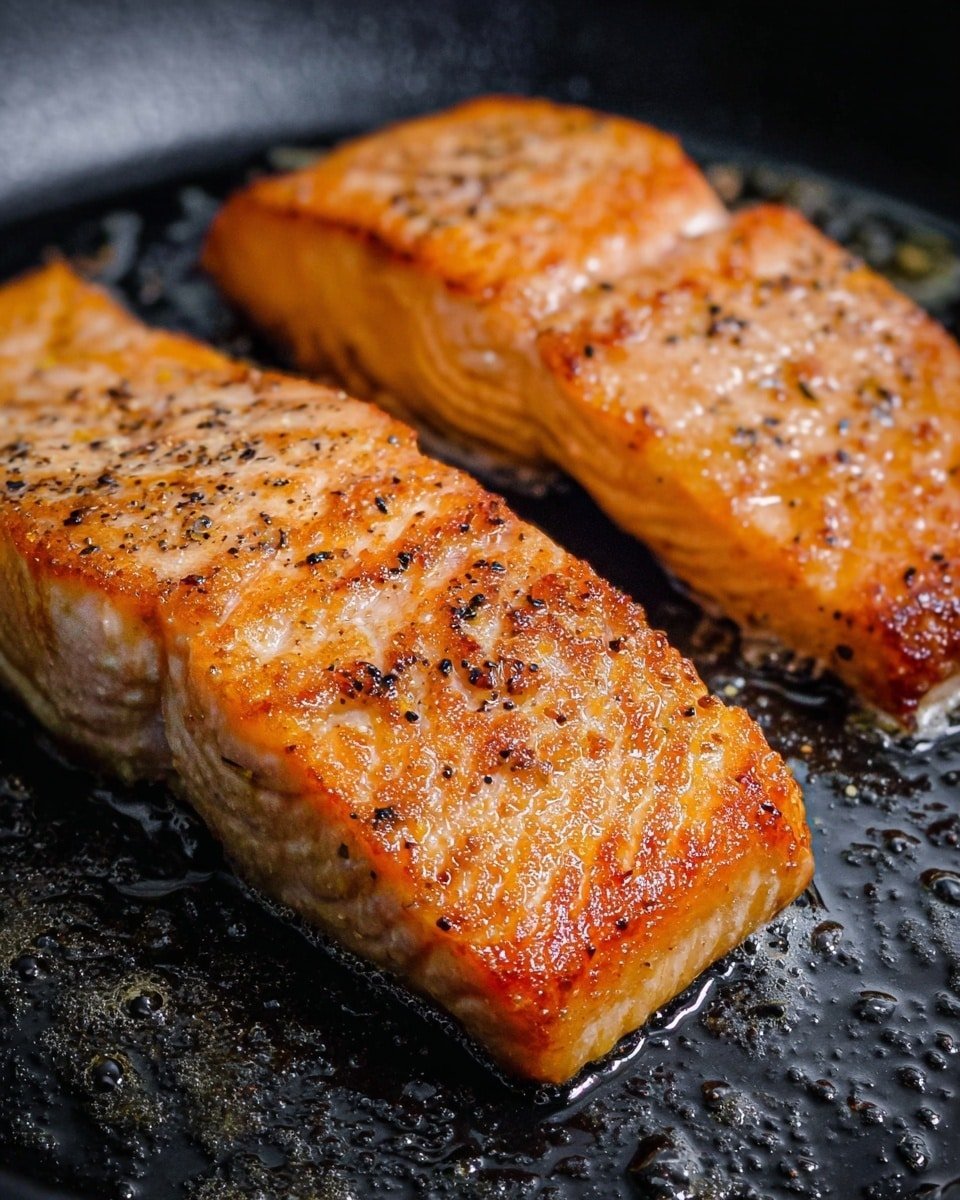
Dry salmon is a tragedy. You paid good money for that fillet, and now it’s chalky, tough, and vaguely disappointing. I’ve overcooked my share of salmon over the years, and I can tell you the problem is almost never the fish — it’s the temperature. Here’s how to cook salmon so it doesn’t dry out, every single time.
The One Rule: Temperature, Not Time
Forget cooking times in recipes — they lie, because every fillet is a different thickness. What matters is internal temperature. Salmon is perfectly cooked at 120°F to 125°F for medium-rare (silky, translucent center) or 130°F to 135°F for medium. The FDA recommends 145°F, which is safe but, frankly, overcooked for most people’s taste — that’s where the dryness comes from.
Buy an instant-read thermometer. It’s a $15 tool that will improve your cooking more than any fancy pan. Pull the salmon about 5 degrees below your target — carryover heat finishes the job as it rests.
The Pan-Sear Method (My Go-To)
This gives you crispy skin and a juicy interior, restaurant-style:
- Pat the fillets completely dry with paper towels. Moisture is the enemy of crispiness.
- Season generously with salt and pepper. That’s it — let the fish shine.
- Heat a skillet (cast iron or stainless) over medium-high with a thin layer of neutral oil until it just starts to shimmer.
- Lay the fillets skin-side down. Press gently for 10 seconds so the skin makes full contact and doesn’t curl.
- Cook undisturbed for 5 to 6 minutes on the skin side. Don’t poke it. Don’t move it. Let the crust form.
- Flip and cook 1 to 2 minutes more on the flesh side, then rest 3 minutes off the heat.
The skin should be shatteringly crisp and the center still rosy. If you’ve only ever had skinless fillets, you’re missing out — crispy salmon skin is one of the best textures in cooking.
The Foolproof Oven Method
For thicker fillets or cooking for a crowd, the oven is more forgiving. Heat to 275°F — yes, that low — and roast the salmon on a lined sheet pan until it hits your target temp, usually 20 to 30 minutes depending on thickness. This gentle heat, sometimes called slow-roasting, cooks the fish evenly from edge to center with almost no risk of drying out.
It’s the opposite of what most recipes tell you (blast it at 425°F), and it’s dramatically more reliable. The low-and-slow approach is backed by food science — Kenji López-Alt’s testing at Serious Eats popularized it, and it genuinely changed how I cook fish.
What About That White Stuff?
The white goo that oozes out of salmon is albumin, a protein that gets squeezed out as the muscle fibers contract. It’s harmless but ugly. Two ways to minimize it:
- Brine briefly: 10 minutes in salty water (1 tablespoon salt per cup of water) before cooking dissolves surface albumin.
- Cook gently: high heat squeezes out more albumin. The slow-roast method produces almost none.
Mistakes That Dry Out Salmon
- Cooking straight from the fridge. Let fillets sit at room temperature 15 to 20 minutes first so they cook evenly.
- Using the “flake test” alone. By the time salmon flakes easily with a fork, it’s often already overdone. Trust the thermometer.
- Skipping the rest. Cut into it immediately and the juices run all over the plate instead of staying in the fish. Three minutes. That’s all.
- Buying thin tail pieces for searing. Tail sections cook in half the time and dry out fast. Ask for center-cut fillets of even thickness.
Quick Flavor Boosters
Once you’ve nailed the technique, salmon takes flavor beautifully. A simple glaze of miso, soy, and a touch of honey brushed on in the last few minutes is my weeknight favorite. Lemon-herb butter, a Dijon crust, or one of the best marinades for grilling (several work great on fish too) all keep things interesting.
Salmon also plays well with bold sides — try it with roasted vegetables or a fresh salad with homemade salad dressing to round out the plate.
The Takeaway
Juicy salmon comes down to three things: an instant-read thermometer, pulling the fish a few degrees early, and letting it rest. Master the pan-sear for crispy skin or the slow roast for foolproof results, and dry salmon becomes a thing of the past. Your grocery budget deserves better than chalky fish.
Buying Salmon: What to Look For
Technique matters, but starting with good fish makes everything easier:
- Smell: fresh salmon smells like the ocean — clean and briny. If it smells fishy or like ammonia, walk away.
- Look: the flesh should look bright and moist, not dull or dried at the edges. White stripes of fat (marbling) are a good sign.
- Touch: it should spring back when pressed, not leave a dent.
- Thickness: choose fillets of even thickness, ideally center-cut, at least 1 inch thick. Thin tail pieces overcook before the center is done.
- Wild vs. farmed: both can be excellent. Farmed (usually Atlantic) is fattier and more forgiving — harder to dry out. Wild (sockeye, king, coho) is leaner with more intense flavor but punishes overcooking. If you’re still building confidence, farmed is the safer practice fish.
Salmon Cooking FAQ
Should I eat salmon skin? If it’s crispy, absolutely — it’s delicious and nutritious. If it’s soggy, peel it off. Nobody’s judging.
Can I cook salmon from frozen? Yes. Rinse off any ice, pat dry, and add about 50% more cooking time. The slow-roast oven method works particularly well from frozen.
What temperature is salmon done? 120-125°F for medium-rare, 130-135°F for medium. The FDA says 145°F for safety, but most chefs and home cooks prefer it lower. If you’re serving pregnant women or immunocompromised guests, stick with 145°F.
Why is my salmon always dry even when I follow recipes? Nine times out of ten: no thermometer, and cooking by time instead of temperature. A $15 thermometer fixes this permanently.
Serving Salmon: Simple Pairings
Great salmon deserves sides that don’t steal the show. Roasted asparagus or green beans with lemon, a simple arugula salad, garlic mashed potatoes, or coconut rice all work beautifully. For a sauce, you rarely need more than a squeeze of lemon and a drizzle of good olive oil — though a quick dill-yogurt sauce (Greek yogurt, fresh dill, lemon juice, salt) takes two minutes and tastes like a restaurant. Keep the plate simple and let the fish be the star; that’s the whole point of cooking it well in the first place.