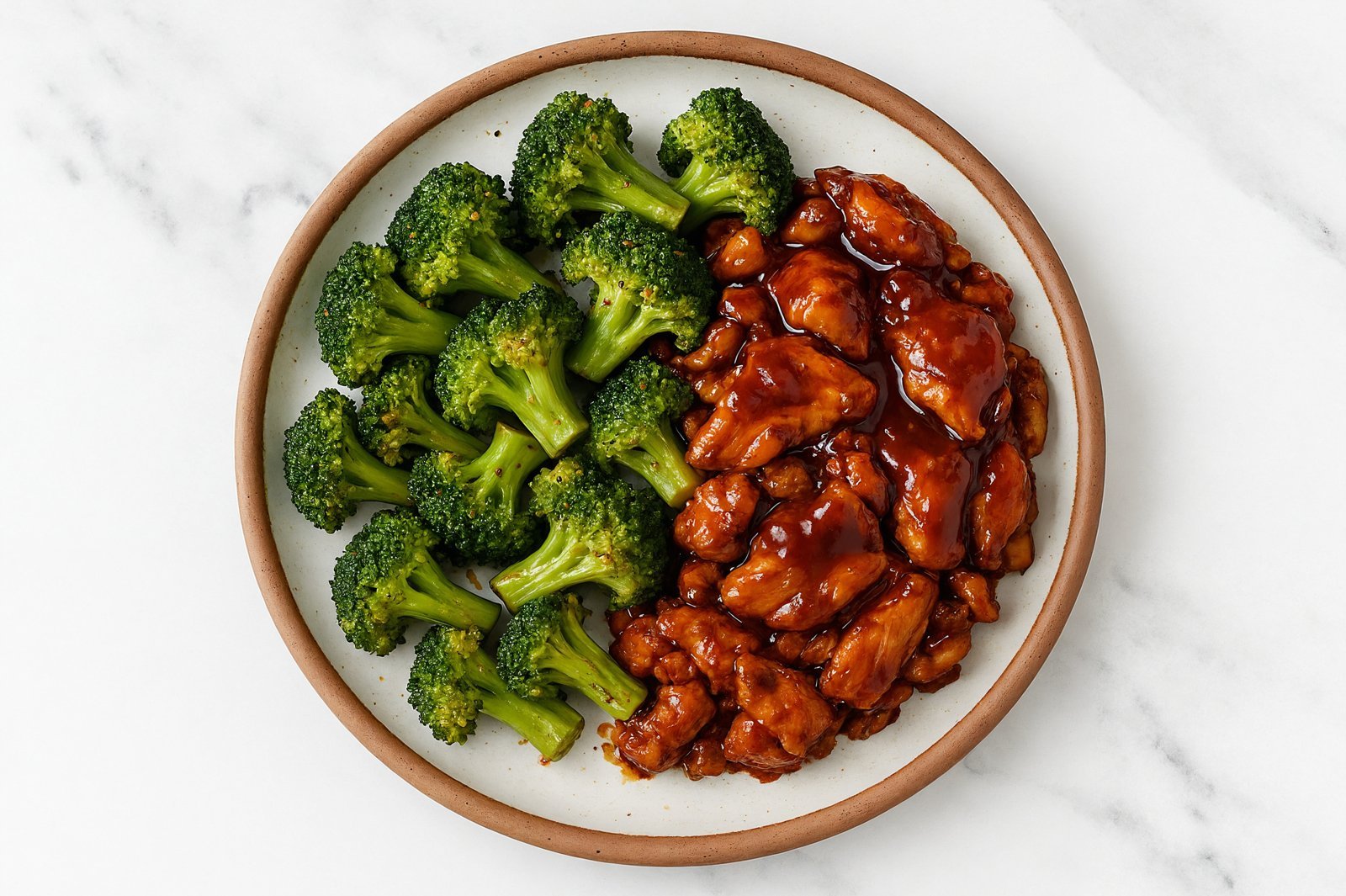
You know you should eat more protein. You also know you hate cooking — the chopping, the timing, the pile of dishes for a meal you’re too tired to enjoy. Here’s the good news: high-protein eating doesn’t require culinary passion. It requires about five ingredients, minimal technique, and the willingness to repeat what works. These are easy high-protein meals for people who hate cooking — ranked by effort, all genuinely low-effort, all actually good.
The Philosophy: Protein Without Production
The anti-cooking protein strategy has three pillars:
- Rotisserie chicken is your best friend. $6–$8, fully cooked, ~120g protein per bird. Shred it once, eat for days.
- Embrace the “assembly” meal. No recipe, no technique — just protein + carb + vegetable combined. Assembly is not cooking; it’s stacking.
- Repeat without shame. Find 4–5 meals you tolerate and rotate them. Variety is nice; consistency is what builds the habit.
10 Meals, Minimal Cooking Required
1. Rotisserie chicken + microwave rice + frozen broccoli (5 min)
Shredded chicken, a pouch of microwave brown rice, frozen broccoli microwaved with butter and salt. ~45g protein. This is the meal-prep holy trinity — see our meal prep cost breakdown for the economics.
2. Greek yogurt power bowl (2 min, zero cooking)
Plain Greek yogurt + protein powder mixed in (optional but boosts to 40g+) + granola + berries. Tastes like dessert, eats like a meal. ~30–40g protein.
3. Tuna or chicken salad wraps (5 min, zero cooking)
Canned tuna/chicken + mayo or Greek yogurt + whatever’s in the fridge, wrapped in tortillas. ~30g protein per two wraps. The Harvard protein guide confirms canned fish as an excellent protein source.
4. Egg scramble with everything (8 min)
4 eggs scrambled with cheese, pre-cooked sausage or deli ham, and frozen peppers. One pan, ~30g protein. Eggs are the cheapest complete protein in existence.
5. Cottage cheese pasta sauce (12 min)
Blend cottage cheese with marinara, toss with pasta and parmesan. Creamy, ~25g protein per serving, and nobody guesses the secret ingredient.
6. Sheet-pan sausage and vegetables (25 min, 5 min effort)
Chicken sausage + frozen mixed vegetables + olive oil + seasoning on a sheet pan, 400°F, done. The oven does everything. ~25g protein per serving, one pan to wash.
7. Slow-cooker salsa chicken (5 min effort)
Chicken breasts + jar of salsa in a slow cooker, 4 hours on low. Shred. Tacos, bowls, salads for days. ~35g protein per serving. The slow cooker is the hate-cooking person’s greatest ally.
8. Protein oatmeal (5 min)
Oats + protein powder + peanut butter + banana. Microwave or stovetop. ~25–30g protein. Breakfast or any meal, honestly.
9. Deli meat + cheese + fruit plate (3 min, zero cooking)
The adult Lunchable, upgraded: turkey, cheese, whole-grain crackers, apple, nuts. ~25g protein. No shame — it’s balanced and it works.
10. Frozen shrimp stir-fry (10 min)
Frozen shrimp (thaws in minutes under cold water) + frozen stir-fry vegetables + bottled sauce over microwave rice. ~30g protein. Shrimp cooks in 3 minutes — the fastest animal protein there is.
Stock the Anti-Cooking Pantry
Keep these on hand and you’re never more than 10 minutes from protein:
- Fridge: eggs, Greek yogurt, cottage cheese, deli turkey, cheese, rotisserie chicken
- Freezer: frozen chicken breasts, shrimp, edamame, mixed vegetables, berries
- Pantry: canned tuna/chicken, protein powder, oats, microwave rice pouches, nut butter, tortillas, pasta
The “I Hate Cooking” Rules That Make It Sustainable
- One-pan or zero-pan only. Sheet pans, slow cooker, microwave — if it needs multiple pots, it’s not for you (yet).
- Buy pre-prepped. Pre-cut vegetables, microwave grains, shredded cheese — the markup is worth it if it means you actually eat.
- Season aggressively. Salt, garlic powder, hot sauce, and one good spice blend make “boring” protein taste intentional.
- Don’t aim for variety initially. Master 5 meals. Expand later, maybe.
Protein Targets: How Much Do You Actually Need?
The RDA (0.8g per kg of body weight) is the minimum to avoid deficiency, not the optimal for active people. Most nutrition researchers now suggest 1.2–2.0g per kg for active individuals — that’s roughly 90–150g daily for a 165-pound person. Spreading it across meals matters: your body uses protein best in doses of 25–40g per meal, so front-loading it all at dinner wastes the opportunity.
Practical translation: aim for a palm-and-a-half-sized protein portion (or 25g+) at each of three meals, plus a protein-rich snack. That’s it — no tracking apps required unless you enjoy them. The meals above all hit 25–40g, which is why they work: they’re built around the target, not decorated with it.
Protein quality matters too: animal proteins and soy are “complete” (all essential amino acids); most plant proteins aren’t — but combining them across the day (beans + rice, hummus + pita) covers everything. You don’t need to combine them in the same meal, despite the old myth — daily variety suffices for most people.
Why Protein Keeps You Fuller (The Science in 60 Seconds)
Protein isn’t magic — it’s just the most satiating macronutrient, and the reasons are well understood. It triggers satiety hormones (GLP-1, PYY) more strongly than carbs or fat, it has a higher thermic effect (your body burns 20–30% of protein calories just digesting it, versus 5–10% for carbs), and it stabilizes blood sugar instead of spiking it. That’s why 400 calories of chicken and vegetables keeps you full for hours while 400 calories of pastry leaves you hungry by 10 a.m.
The practical upshot for hate-cookers: you don’t need perfect meals, just protein-anchored ones. Every meal above works because the protein does the heavy lifting on fullness — the rest is just delivery mechanism. Hit 25–40g of protein per meal and the snacking, the energy crashes, and the “I’m somehow hungry again” feeling largely take care of themselves.
The Bottom Line
Easy high-protein meals for people who hate cooking come down to: rotisserie chicken, eggs, Greek yogurt, canned fish, frozen shrimp, and the slow cooker — assembled, not cooked, into 25–40g protein meals in under 10 minutes. You don’t need to love cooking to eat well; you need a stocked pantry, five go-to meals, and permission to repeat them. For mornings, our healthy breakfast guide follows the same philosophy, and our chicken doneness guide keeps the poultry safe.