Shopping for hard-surface flooring, you’ll hit the laminate-vs-vinyl fork in the road fast. They look similar on the showroom floor, they’re priced similarly, and salespeople use the terms almost interchangeably (incorrectly). But they’re fundamentally different materials with different strengths, and choosing wrong means living with the consequences for a decade. Here’s the honest difference between laminate and vinyl flooring — what each is, where each wins, and which one belongs in your house.
What They Actually Are
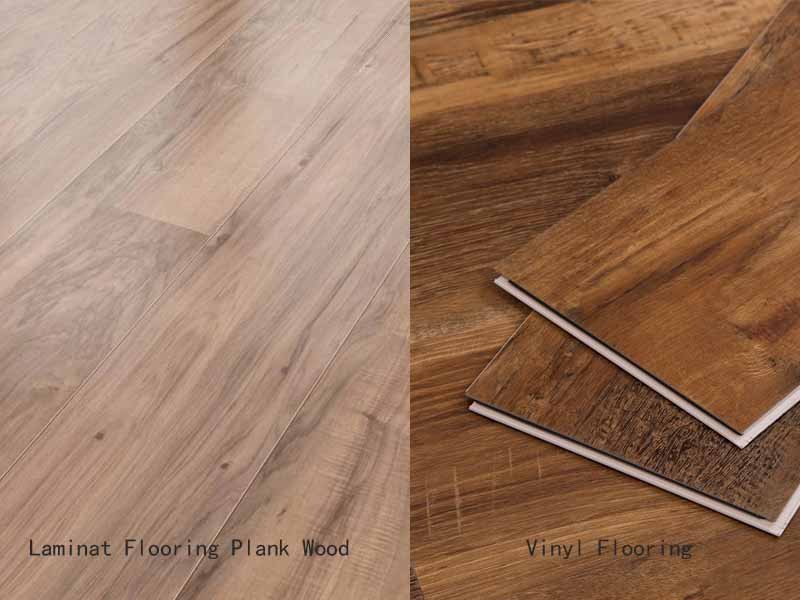
Laminate is a rigid fiberboard core (essentially super-dense pressed wood) topped with a photographic image layer and a clear wear layer. Think of it as a high-tech photograph of wood glued to engineered wood. It’s stiff, clicks together, and feels solid underfoot.
Vinyl (specifically luxury vinyl plank/tile — LVP/LVT) is layered PVC plastic: a vinyl core, photographic layer, and wear layer. It’s flexible, fully synthetic, and inherently waterproof. The rigid-core variants (SPC/WPC) add a stone-plastic or wood-plastic composite core for stiffness approaching laminate.
The core difference in one sentence: laminate has a wood-based core (vulnerable to water); vinyl is plastic through and through (waterproof). Everything else flows from this.
Head-to-Head Comparison
- Water resistance: Vinyl wins decisively. LVP is waterproof — spills, pet accidents, even flooding (dried properly) don’t damage it. Standard laminate swells irreversibly when water reaches the fiberboard core. “Waterproof laminate” exists now and is better, but it’s still a wood core with water-resistant coatings — vinyl’s advantage remains.
- Scratch/dent resistance: Roughly tied, slight edge to laminate. Laminate’s hard wear layer resists scratches well; vinyl’s wear layer varies hugely by quality (12 mil minimum, 20+ mil for pets/kids). Cheap vinyl scratches easily; good vinyl holds up well.
- Feel underfoot: Laminate wins. Denser, more solid, more like real wood. Vinyl can feel slightly plasticky or hollow, especially cheaper thin versions. Rigid-core SPC vinyl closes this gap considerably.
- Sound: Laminate wins slightly (denser = less hollow click), though both benefit enormously from quality underlayment.
- Installation: Tie. Both are click-lock floating floors, very DIY-friendly. Vinyl is more forgiving of subfloor imperfections (flexible); laminate needs a flatter subfloor.
- Appearance: Tie (at comparable prices). Both use photographic layers; both look convincing at mid-range prices and fake at bargain prices. Embossed-in-register texture (grain you can feel matching the visual grain) is the quality marker for both.
- Cost: Laminate slightly cheaper at the low end ($1–$3/sq ft vs. vinyl’s $2–$5), but quality versions of both converge around $3–$6/sq ft.
- Lifespan: Similar — 15–25 years for quality products of either type with normal use.
- Resale perception: Laminate slightly ahead historically, though the gap is closing as LVP goes mainstream. Neither matches real hardwood for prestige.
Which Rooms Favor Which
- Kitchens, bathrooms, laundry rooms, basements, entryways: Vinyl, no contest. Water happens in these rooms; it’s not a question of if.
- Living rooms, bedrooms, hallways (dry areas): Either works. Choose on feel, price, and appearance preference.
- Homes with pets: Vinyl — see our pet flooring guide for the full reasoning.
- Over concrete slabs: Vinyl (especially SPC) handles moisture vapor from slabs better.
- Rental properties: Quality vinyl — survives tenants better than anything in its price class.
What to Look For When Buying
- Wear layer thickness: For vinyl, 12 mil minimum, 20 mil for heavy use. For laminate, AC4 rating or higher for active households.
- Core type (vinyl): SPC (stone-plastic composite) is the most rigid and dent-resistant; WPC is softer and warmer underfoot.
- Attached underlayment: Nice convenience, but a separate quality underlayment usually performs better for sound.
- Warranty: Read the fine print — most “lifetime residential” warranties have extensive exclusions. The warranty length matters less than the wear layer.
- Buy 10% extra for cuts, mistakes, and future repairs. Dye lots change; future boxes won’t match perfectly.
Installation Tips for a Professional Result
Both laminate and vinyl are DIY-friendly, but the details determine whether the result looks professional or amateur. Subfloor prep is everything: clean, dry, flat within 3/16 inch over 10 feet. High spots get sanded or ground down; low spots get filled with leveling compound. Skipping this is the #1 cause of hollow spots, flexing, and premature joint failure — the floor is only as good as what’s under it.
Acclimate the flooring in the installation room for 48–72 hours. Stagger joints randomly (minimum 6–8 inches between end joints in adjacent rows) — H-pattern joints look amateur and weaken the floor. Leave expansion gaps (1/4–3/8 inch) at all walls, covered by baseboard — floating floors move with temperature and humidity, and tight installations buckle.
Undercut door jambs instead of cutting flooring around them — a jamb saw ($30) or oscillating tool lets the flooring slide underneath for a clean, professional transition. Work from multiple boxes simultaneously to blend shade variations naturally. And buy that 10% extra — running short mid-project with a discontinued dye lot is a special kind of misery. For visual walkthroughs of these techniques, This Old House’s flooring guides demonstrate each step.
Environmental and Health Notes
A few honest caveats shoppers should know. Vinyl and VOCs: quality LVP from reputable manufacturers meets FloorScore or GreenGuard certification for low emissions — look for these labels, especially for bedrooms. Cheap unbranded vinyl may off-gas more; the certification is the quality signal. Laminate and formaldehyde: modern laminate sold in the US complies with CARB Phase 2 / TSCA Title VI formaldehyde standards — again, buy from established brands and check compliance.
End of life: neither material is easily recyclable curbside — both are long-life products, which is itself the greenest attribute (a 20-year floor beats a 7-year floor environmentally regardless of material). PVC concerns: some buyers avoid vinyl on principle due to PVC manufacturing impacts; if that’s you, laminate or real wood are the alternatives — just keep them out of wet areas. Buy certified products from known brands and these concerns shrink to manageable size.
The Bottom Line
The difference between laminate and vinyl flooring comes down to the core: laminate’s wood-fiber core feels more solid but fears water; vinyl’s plastic construction is waterproof but can feel less substantial. For any room where water is possible — kitchens, baths, basements, pet zones, entries — vinyl wins clearly. For dry living areas, it’s genuinely a toss-up on personal preference. Buy quality wear layers either way, since cheap versions of both look cheap and wear fast. And if you’re still weighing options, our pet-friendly flooring breakdown and hardwood repair guide cover the neighboring decisions.