Dinner parties have a reputation problem. People imagine catered affairs, matching china, and a hostess who’s been cooking since dawn. No wonder nobody hosts anymore. But a great dinner party isn’t about impressing people — it’s about feeding people you like in a room that feels warm. Learning how to host a dinner party without spending a fortune is mostly about redirecting effort from money to thoughtfulness: the right menu strategy, the right atmosphere tricks, and letting go of perfection.
I’ve hosted dozens of dinner parties, and the ones people still talk about cost under $50 total. Here’s the formula.
The Budget Math (It’s Better Than You Think)
For 6–8 guests, a realistic budget breakdown:
- Main + sides: $25–35 (the menu strategy below keeps this low)
- Drinks: $10–15 (the BYOB-plus-one-bottle approach)
- Dessert: $5–8 (homemade, obviously)
- Atmosphere: $0–5 (candles you own, playlist, dimmed lights)
Total: $40–60 for an evening 8 people remember. That’s $5–8 per person — less than the tip at a mid-range restaurant. The economics of home entertaining are absurdly favorable; restaurants charge 3–4x ingredient cost, and you’re skipping that entirely.
How Can I Host a Dinner Party Without Spending a Fortune? The Menu Strategy
The menu is where budgets die or survive. The rules:
Cook one impressive thing, not five fussy things
Pick a single “hero” dish that’s cheap, feeds a crowd, and looks abundant: a big lasagna, chicken thighs with roasted vegetables, pulled pork, a hearty curry, homemade pasta with sauce. One-pot and sheet-pan meals are ideal — they scale cheaply, mostly cook themselves, and free you to actually enjoy your guests instead of performing kitchen acrobatics.
Build around cheap-luxe ingredients
Some ingredients taste expensive but aren’t: chicken thighs (better than breasts, half the price), pork shoulder, seasonal vegetables, dried beans and lentils, eggs (frittata or shakshuka for brunch parties), pasta. Avoid the budget killers: beef tenderloin, seafood, out-of-season produce, and anything requiring specialty ingredients you’ll use once.
Do a strategic potluck (without calling it that)
There’s no shame in shared effort — the best dinner parties are collaborative. Frame it warmly: “I’m making the main — could you bring a salad?” or “bring a bottle or a dessert, your choice.” Assign categories to avoid five desserts. Most guests are relieved to contribute; showing up empty-handed to a dinner party feels worse than bringing the salad.
Dessert: simple and homemade
A $4 box of brownie mix + vanilla ice cream, apple crisp, or chocolate mousse (3 ingredients, looks fancy) beats a $25 bakery cake. Warm dessert served with coffee feels luxurious regardless of cost.
Drinks: The BYOB-Plus System
Alcohol is the fastest way to blow a dinner party budget. The system that works:
- You provide one signature thing: a batch cocktail (sangria, punch — cheap per serving, festive), or a couple bottles of decent-but-affordable wine
- Guests bring the rest (BYOB, stated cheerfully in the invite: “we’ll have sangria — bring whatever else you’d like!”)
- Always have great non-alcoholic options: sparkling water with citrus, a fun mocktail, good coffee/tea. Non-drinkers notice and appreciate this enormously.
A $12 bottle of wine served in nice glasses with good company tastes like $30. Context is the best sommelier.
Atmosphere: Free Fixes That Feel Expensive
- Lighting: Dim the overheads, light every candle you own, add a string of fairy lights if you have them. Lighting is 70% of “ambiance” and it’s basically free. (See renter-friendly home upgrades for more atmosphere tricks.)
- Music: A long playlist at background volume — jazz, bossa nova, acoustic. No ads (spring for the premium trial or use an ad-free source). Music fills silences and sets tempo.
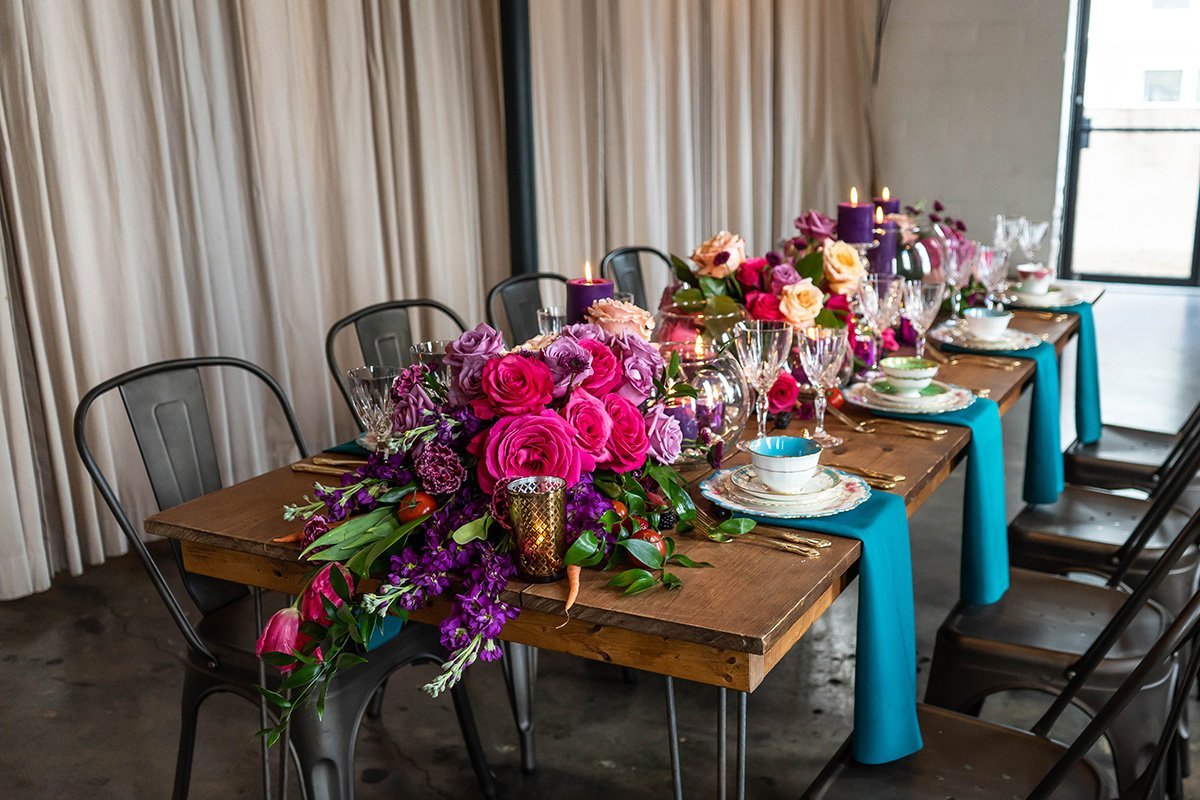
- Table: Doesn’t need to match. Cloth napkins (a $10 set used forever beats paper), a simple centerpiece (grocery store flowers, $8, or candles + fruit you already have), and cleared clutter. A clean, simply-set table reads as intentional.
- Scent: Simmer something on the stove before guests arrive (see making your home smell amazing on a budget) — walking into a great-smelling home sets the whole evening’s tone.
Hosting Mechanics (The Stuff That Prevents Stress)
- Prep timeline: Day before — shop, make dessert, set table. Day of — cook the main (most hero dishes improve with resting), shower, light candles 30 minutes before guests arrive. Never be cooking frantically when the doorbell rings.
- The 15-minute tidy: Guests see the living room, dining area, kitchen, and bathroom. Close bedroom doors. That’s the whole cleaning plan.
- Have an arrival activity: Drinks and an appetizer (even just good bread + olive oil) ready when people walk in. It prevents the awkward standing-around phase and buys you finishing time.
- Seat thoughtfully: Mix the groups, separate the couples, put the shy person next to your most talkative friend. Seating is invisible hosting work that shapes the whole evening.
- Let it end: Coffee and dessert signal wind-down. Don’t be afraid to enjoy the last guests lingering — that’s when the best conversations happen.
Sample Timeline: Dinner Party Day
Here’s the hour-by-hour for a 7 p.m. dinner party — steal this timeline and you’ll never be frantic when the doorbell rings:
- Morning: Shop for anything fresh. Make dessert (it needs setting/chilling time). Set the table now — future-you will be grateful.
- 2:00 p.m.: Prep ingredients — chop vegetables, marinate protein, assemble anything make-ahead. Clean as you go.
- 4:00 p.m.: Start the main dish (most hero dishes need 1–2 hours of mostly hands-off cooking). Tidy the visible rooms.
- 5:30 p.m.: Shower and get ready. Yes, now — not at 6:45 in a panic.
- 6:00 p.m.: Set out appetizers, chill drinks, arrange the playlist. Light candles in 30 minutes.
- 6:30 p.m.: Light candles, dim lights, put on music. Final taste and season the main. Set out serving dishes.
- 6:45 p.m.: You’re done. Sit down with a drink. Breathe. You’re a guest at your own party now.
- 7:00 p.m.: Doorbell. You answer it calm, smiling, holding a drink — because everything is ready.
The secret isn’t speed; it’s sequencing. Everything that can be done early is done early, so the last hour is just atmosphere. Print this timeline and tape it inside a cabinet — future dinner parties run themselves.
Cooking for a crowd? FoodSafety.gov’s food safety guidelines cover the temperatures, storage times, and handling basics that keep your guests safe — worth a skim before the big night.
The Takeaway
Hosting a dinner party without spending a fortune comes down to: one impressive-but-cheap hero dish, strategic potluck contributions, BYOB-plus-one-bottle drinks, and free atmosphere (lighting, music, scent). Total damage: $40–60 for 8 people. The guests won’t remember what you spent — they’ll remember that you gathered them, fed them well, and made an ordinary evening feel like an occasion. Send the invites this week; the hardest part of hosting is deciding to do it.