
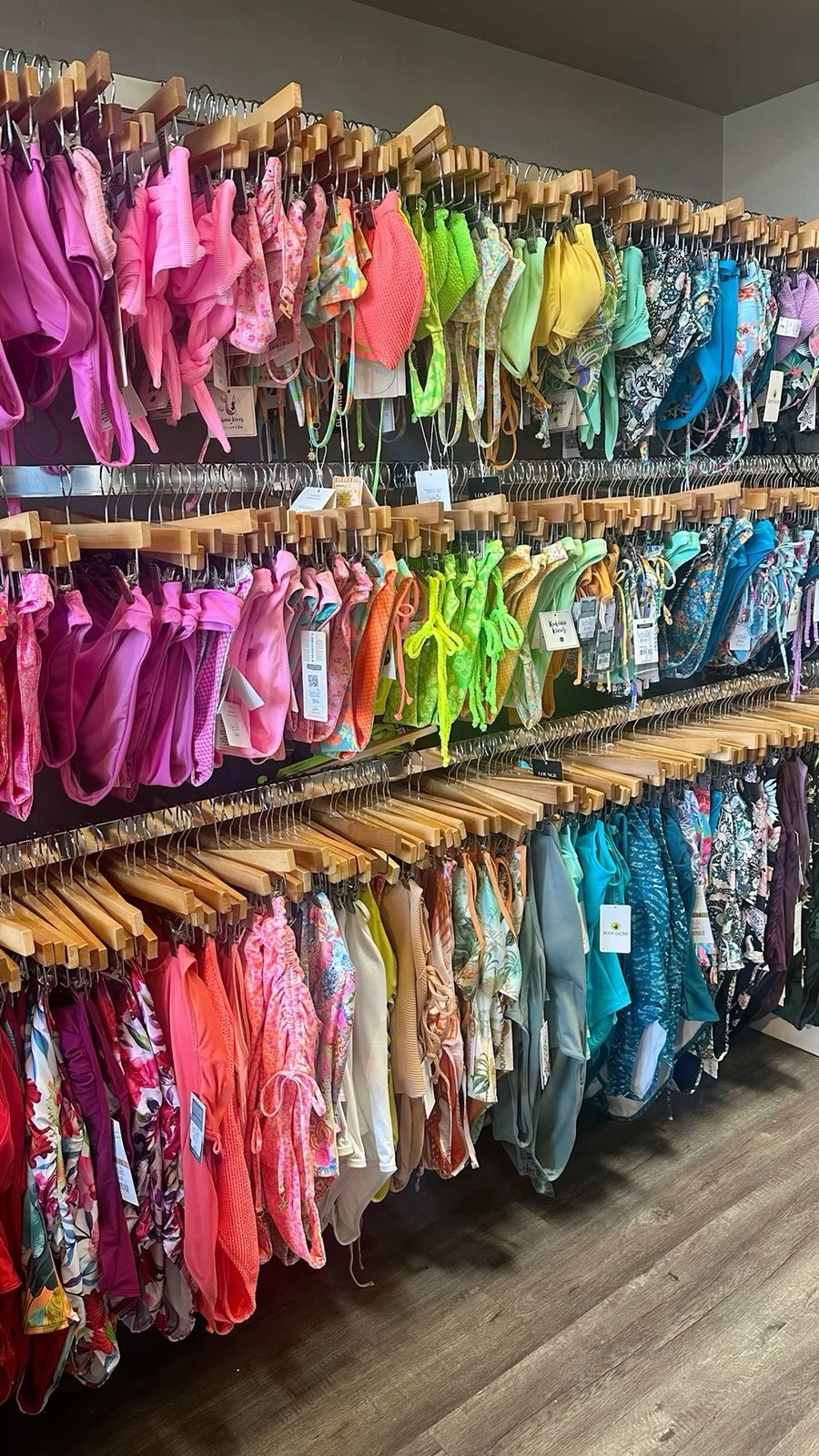
Swimsuit shopping has a reputation as the worst shopping experience in existence — harsh lighting, tiny sizes, and mirrors that seem designed for cruelty. But most of the misery comes from trying random suits instead of shopping for your shape’s strengths. The right cut for your body changes everything. That’s why so many people ask how do I pick the right swimsuit for my body shape — and why you deserve a real answer, not clichés.
Forget ‘flattering’ as code for ‘hiding.’ This is about cuts that support, fit, and make you feel good. Here’s the guide.
Know What You Need: Support, Coverage, Comfort
Before shapes, clarify your non-negotiables. Bust support: larger busts need underwire, wide straps, and real structure — flimsy triangle tops aren’t it. Tummy comfort: ruching, high-waisted bottoms, and one-pieces with tummy panels provide comfort without ‘hiding.’ Activity level: surfing and lap swimming need secure, athletic cuts; lounging allows anything.
Be honest about what bothers you in fitting rooms — that’s data, not vanity. Straps digging? Need wider. Constant adjusting? Wrong size or cut. The suit should stay put when you move; if you’re tugging in the store, you’ll be tugging at the beach. Comfort is the foundation everything else builds on. Swimsuits For All fit resources
- Larger bust: structure matters: underwire, wide straps, supportive bands — non-negotiable.
- Tummy comfort: ruching + high waist: comfortable without feeling hidden.
- Match activity: athletic cuts for swimming/surfing; anything for lounging.
- The movement test: raise arms, bend, walk — no tugging allowed.
- Your complaints are data: note what bothers you; shop specifically against it.
Cuts for Different Body Shapes
Pear shape (narrower top, fuller hips): draw the eye up with patterned or detailed tops, solid darker bottoms, and consider boyshorts or fuller-coverage bottoms for comfort. Apple shape (fuller midsection): one-pieces with ruching, empire waists, and plunging necklines that elongate; tankinis offer two-piece convenience with coverage.
Hourglass (balanced bust and hips, defined waist): almost everything works — wrap styles, belted one-pieces, and high-waisted bikinis celebrate the waist. Athletic/straight (less defined waist): create curves with ruffles, cutouts, color-blocking, and padded or detailed tops. Busty: underwire tops, halter styles with wide straps, and supportive one-pieces. The through-line: emphasize what you like, support what you need. Good Housekeeping swimsuit testing
- Pear: detail on top: patterned tops, solid bottoms, comfortable coverage below.
- Apple: ruching + structure: empire waists, plunging necklines elongate the torso.
- Hourglass: define the waist: wrap styles, belted suits, high-waisted bikinis.
- Athletic: create curves: ruffles, cutouts, color-blocking add dimension.
- Busty: engineer support: underwire, wide straps, structured bands.
Fit, Fabric, and Shopping Strategy
Swim sizing is its own universe — ignore the number and fit the body. The suit should be snug when dry (it loosens in water); if it’s comfortable-dry, it’ll be baggy-wet. Check the rear view (phone photo in the fitting room — the mirror lies by omission), sit down in it, and raise your arms. Bottoms shouldn’t ride up when you walk.
Fabric matters: look for quality lining, at least 20% spandex/lycra for shape retention, and UPF-rated fabric for sun protection. Dark colors and small prints are the most forgiving; neons show everything. Buy from places with good return policies and order 2-3 sizes/styles to try at home — fitting-room lighting is the enemy, your bathroom mirror is the truth.
- Snug when dry: suits loosen in water; comfortable-dry means baggy-wet.
- Phone-photo the rear view: mirrors hide; photos tell the truth.
- 20%+ spandex: shape retention separates good suits from saggy ones.
- Order multiples online: try at home in real light; return the rest.
- UPF fabric bonus: sun protection built into the suit — smart for long beach days.
Common Mistakes to Avoid
Most people don’t fail for lack of effort — they fail because of a handful of predictable mistakes. Sidestep these five and you’re already ahead of the vast majority of people tackling this.
- Shopping by size number: swim sizing is its own universe. Fit the body, ignore the number — it means nothing across brands.
- Buying ‘comfortable dry’: suits loosen in water. Snug-when-dry is correct; comfortable-dry becomes baggy-wet.
- Skipping the movement test: raise arms, bend, walk, sit. Tugging in the fitting room means tugging all beach day.
- Ignoring the rear view: the mirror shows the front; the phone photo shows the truth. Check all angles before committing.
- Choosing by cover-model fantasy: shop for your body and your comfort, not an aspirational image. The right cut beats the trendy cut.
Frequently Asked Questions
How tight should a swimsuit be?
Snug but not painful when dry — it will loosen in water. Straps shouldn’t dig, bottoms shouldn’t ride up when you walk, and you shouldn’t need to tug. If it’s comfortable-dry, size down.
What swimsuit material is best?
Look for 20%+ spandex/Lycra content for shape retention, quality lining, and UPF-rated fabric for sun protection. Cheap thin suits go sheer and saggy fast — fabric quality determines lifespan.
Can I wear a bikini after 50?
Wear whatever you feel good in — age doesn’t dictate swimwear. That said, many women prefer the support and coverage of well-cut one-pieces or tankinis as priorities shift. Comfort and confidence are the only dress code.
How do I prevent swimsuit fading?
Rinse in cold fresh water immediately after wearing (chlorine and salt degrade fabric), hand-wash with mild soap, dry in shade (sun fades), and rotate suits — elastic recovers with rest days between wears.
Pro tip: Put a recurring monthly reminder on your phone to revisit the key habits in this guide. Most good practices fade not from failure but from forgetting — a simple nudge keeps them alive.
How do I pick the right swimsuit for my body shape: The Bottom Line
The right swimsuit starts with your non-negotiables (bust support, comfort, activity), then the cut for your shape — detail where you want emphasis, structure where you need support, ruching and high waists for midsection comfort. Fit snug-dry (it loosens wet), demand 20%+ spandex, phone-photo the rear view, and order multiples to try at home. The goal isn’t a ‘perfect’ body; it’s a suit so comfortable you forget about it and enjoy the water.






One Comment