
What is the best way to lower blood pressure naturally? High blood pressure — hypertension — affects nearly half of American adults, and it’s called the silent killer because it damages arteries, heart, brain, and kidneys with zero symptoms until something catastrophic happens. Medication works and saves lives (never stop prescribed medication without your doctor), but lifestyle changes can lower blood pressure significantly — sometimes enough to reduce or avoid medication. Here’s what the evidence actually supports, ranked by impact.
The Heavy Hitters: Biggest Blood Pressure Impact
1. Lose excess weight. The single most impactful change for most people: blood pressure typically drops ~1 mmHg per kilogram (2.2 lbs) lost. You don’t need your college weight — even 5-10% body weight loss produces meaningful reductions. The mechanism is straightforward: less mass for the heart to perfuse, less vascular resistance.
2. The DASH diet. The Dietary Approaches to Stop Hypertension eating plan is the most blood-pressure-validated diet in existence: rich in fruits, vegetables, whole grains, lean protein, and low-fat dairy; low in sodium, sweets, and red meat. DASH can lower systolic pressure 8-14 points — comparable to some medications. The Mediterranean diet shows similar benefits. The common thread: potassium-rich whole foods, minimal processed food. For the food side of health, see immune-supporting foods and hydration basics.
3. Cut sodium — strategically. The average American eats ~3,400 mg sodium daily; guidelines suggest under 2,300 mg (ideally 1,500 for hypertensives). But here’s the nuance: 70%+ of sodium comes from processed and restaurant food, not your salt shaker. Cooking more at home and choosing lower-sodium packaged options beats white-knuckling the salt shaker. Salt sensitivity varies — some people’s pressure responds dramatically to sodium cuts, others modestly — but almost everyone benefits somewhat.
4. Exercise regularly. 150 minutes of moderate aerobic activity weekly (brisk walking counts) can lower systolic pressure 5-8 points. The effect is both acute (pressure drops for hours after exercise) and chronic (resting pressure declines over weeks). How much exercise adults actually need covers the full guidelines — and walking’s real benefits are relevant here too.
What Is the Best Way to Lower Blood Pressure Naturally? The Next Tier (5-8)
5. Limit alcohol. Heavy drinking raises blood pressure substantially; cutting back (or out) can drop systolic 4+ points in heavy drinkers. Guidelines: max 1 drink/day for women, 2 for men — less is better.
6. Quit smoking. Every cigarette spikes blood pressure temporarily; long-term smoking damages arteries permanently. Quitting is among the highest-impact cardiovascular interventions, period.
7. Manage stress. Chronic stress keeps pressure elevated via constant adrenaline/cortisol. What works: regular exercise (double duty), adequate sleep, and genuine stress-reduction practices — meditation, deep breathing, time in nature. The evidence for specific “relaxation techniques” lowering pressure long-term is moderate but real.
8. Sleep 7-9 hours. Short sleep (<6 hours) is strongly linked to hypertension. Sleep apnea is a particularly important cause — if you snore heavily and have high blood pressure, get evaluated; treating apnea can dramatically improve pressure. See how to fall asleep faster for the fundamentals.
Potassium, Magnesium, and Other Helpers (9-10)
9. Boost potassium. Potassium blunts sodium’s pressure-raising effects — bananas, potatoes, beans, spinach, yogurt. Most Americans get too little. (Kidney disease patients: check with your doctor first, as excess potassium can be dangerous.) 10. Consider hibiscus tea and garlic: modest evidence supports both for small reductions — pleasant additions, not replacements for the big levers above. Dark chocolate (flavanols) shows small effects too. Think of these as garnish on the main strategies, not the meal.
Measure Right (Or You’re Flying Blind)
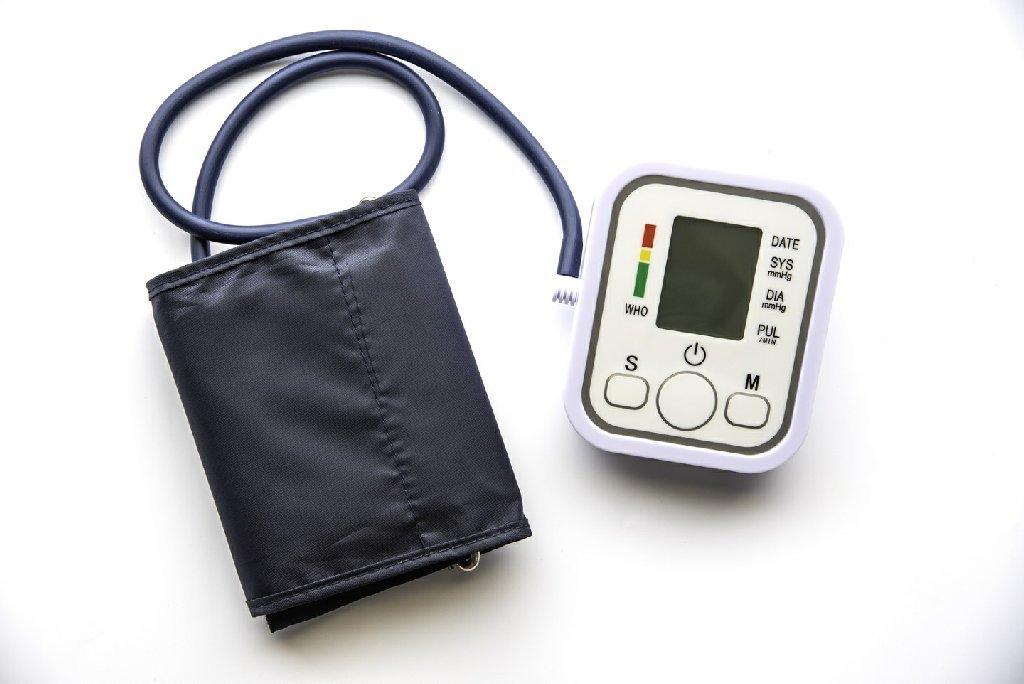
Home blood pressure monitoring is essential: measure seated, back supported, feet flat, arm at heart level, after 5 minutes rest, no caffeine/exercise/smoking 30 minutes prior. Take two readings a minute apart and average. Track morning and evening for a week to see your real pattern — single readings mislead (white-coat effect, daily variation). Bring the log to your doctor; it’s far more useful than one office reading. The American Heart Association’s blood pressure hub has excellent measurement guides.
Making DASH Practical: What Eating This Way Looks Like
DASH sounds clinical until you translate it to plates. Breakfast: oatmeal with berries and walnuts, or Greek yogurt with fruit. Lunch: big salad with grilled chicken or beans, olive oil dressing, whole-grain roll. Dinner: baked salmon, roasted vegetables, brown rice. Snacks: fruit, unsalted nuts, raw veggies with hummus. The pattern: plants and lean protein at every meal, whole grains instead of refined, flavor from herbs and spices instead of salt.
The transition strategy that works: don’t overhaul overnight. Week 1: add one vegetable serving to dinner daily. Week 2: switch one refined grain to whole grain. Week 3: cut one processed food staple (find a lower-sodium alternative). Week 4: make one more meal at home instead of eating out. Gradual changes stick; dramatic overhauls collapse by February. And the NHLBI’s DASH eating plan resources include free guides and recipes worth bookmarking.
Eating out: restaurant food is a sodium minefield, but strategies help — ask for sauces on the side, choose grilled over fried, request no added salt, and treat restaurant meals as the exception rather than the routine. One salty restaurant dinner won’t ruin you; five weekly will.
When Lifestyle Isn’t Enough (And That’s Okay)
An important honesty note: for some people — genetics, age, advanced hypertension — lifestyle alone won’t reach target, and that’s not failure. Medication plus lifestyle beats either alone, and the lifestyle changes make medications work better (sometimes at lower doses). The goal is healthy blood pressure, not medication-free bragging rights. Work with your doctor on the combination that’s right for your numbers, and never frame medication as defeat — it’s a tool, like diet and exercise, in service of the same goal.
The Practical Takeaway
The best way to lower blood pressure naturally: lose excess weight, eat DASH-style, cut processed-food sodium, exercise 150 minutes weekly, limit alcohol, don’t smoke, manage stress, and sleep enough — with potassium-rich foods as backup. These aren’t alternative medicine; they’re first-line interventions cardiologists recommend alongside (not instead of) medication when needed. Measure at home properly, track your numbers, and work with your doctor — because the silent killer stays silent only until it doesn’t.






One Comment