What foods help boost the immune system in winter? Every cold season brings the same parade of “immune-boosting” miracle products — and the same disappointment. Here’s the honest truth from nutritional science: no food prevents illness by itself, but consistent dietary patterns genuinely support immune function, and winter is when most people’s diets are weakest in exactly the nutrients immunity needs. Let’s focus on what actually works.
What Foods Help Boost the Immune System in Winter?
Your immune system isn’t a muscle to “boost” — it’s a complex system to support through adequate nutrition, sleep, exercise, and stress management. Mega-dosing any single nutrient doesn’t supercharge immunity (and can backfire). What matters: avoiding deficiencies in key nutrients, eating diverse whole foods consistently, and maintaining the foundational habits (sleep 7-9 hours, move regularly, manage stress) that matter more than any superfood. Food is one pillar, not the whole building.
What Foods Help Boost the Immune System? The Evidence-Backed List
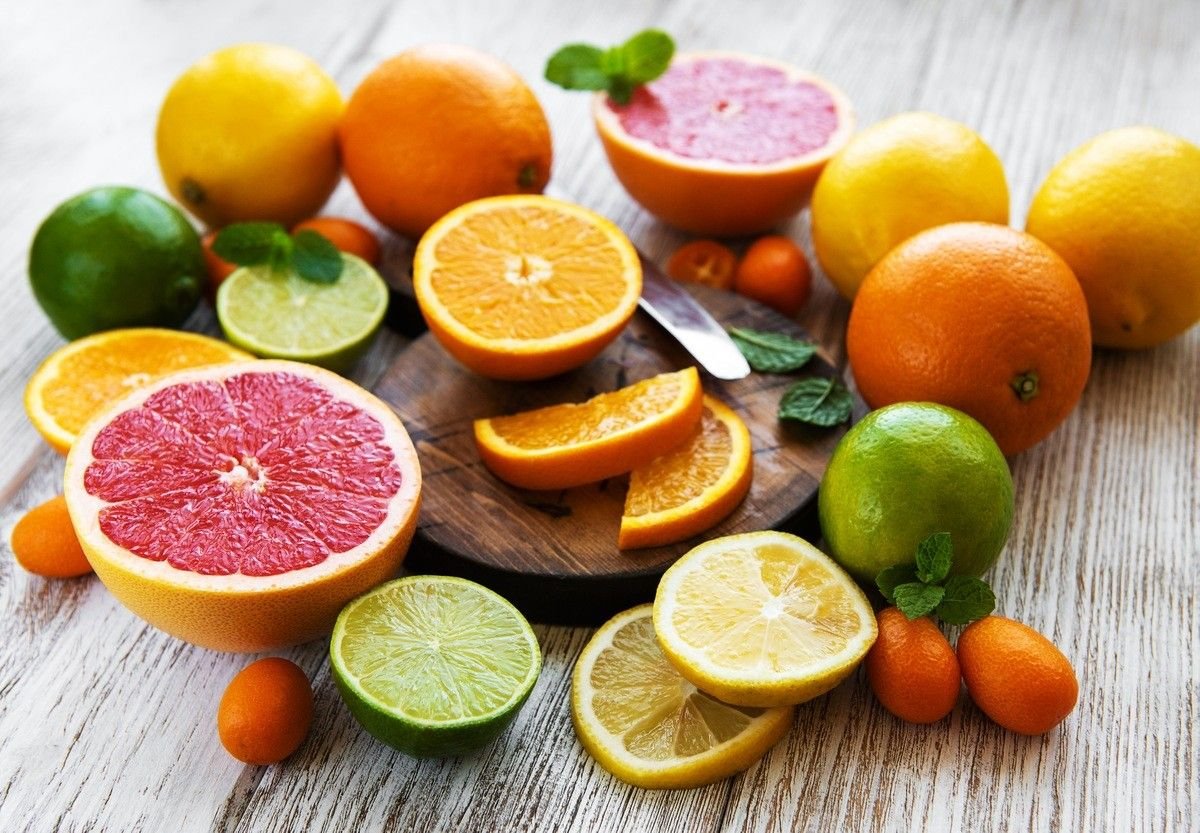
- Citrus fruits (oranges, grapefruits, lemons): Vitamin C supports immune cell function. You don’t need megadoses — regular intake matters more than emergency dosing. A daily orange beats a zinc lozenge panic-buy.
- Red bell peppers: Actually contain more vitamin C per serving than oranges, plus beta-carotene. The unsung hero of the produce aisle.
- Garlic: Contains allicin with modest evidence for immune support and possible cold-duration reduction. Crush and let sit 10 minutes before cooking to maximize the beneficial compounds.
- Ginger: Anti-inflammatory properties, soothing for sore throats and nausea. Fresh ginger tea is winter comfort with genuine benefits.
- Fatty fish (salmon, sardines, mackerel): Vitamin D (critical in sun-poor winter — see vitamin D deficiency signs) plus omega-3s that modulate inflammation.
- Yogurt and kefir: Probiotics support gut health, and ~70% of immune tissue is gut-associated. Choose plain varieties with live cultures — sugary “probiotic” drinks cancel their own benefits.
- Leafy greens (spinach, kale): Vitamins A, C, and E plus folate — the micronutrient trifecta for immune cell production.
- Nuts and seeds (almonds, sunflower seeds): Vitamin E, zinc, and healthy fats. A small daily handful covers multiple immune nutrients.
- Chicken soup: Not just folklore — studies show it has mild anti-inflammatory effects and the steam helps congestion. Grandma was onto something.
- Green tea: Catechins with modest immune-supporting evidence, plus hydration and the ritual comfort of a warm drink.
- Sweet potatoes and carrots: Beta-carotene (vitamin A precursor) for mucosal immunity — your respiratory tract’s first line of defense.
The Winter Nutrition Traps
Winter undermines immunity through diet in predictable ways: less produce variety (eat frozen vegetables freely — they’re nutritionally equivalent to fresh, sometimes better), vitamin D collapse (supplement if you’re deficient — food alone rarely suffices in northern winters), comfort-food excess (sugar-heavy diets correlate with impaired immune function — enjoy treats, don’t live on them), and dehydration (cold air and indoor heating dry you out; keep hydrating in winter).
What About Supplements? (Honest Take)
Vitamin D: the one supplement with the strongest winter case — test your levels, supplement if low. Vitamin C: regular moderate intake helps; megadoses at cold onset show minimal benefit in most studies. Zinc: may slightly shorten colds if started within 24 hours of symptoms — lozenges specifically, not pills. Elderberry/echinacea: weak, mixed evidence — harmless for most, but don’t rely on them. Multivitamin: reasonable insurance for patchy diets, not a substitute for food.
The supplement industry wants you confused and spending. The reality is boring: eat diversely, fix deficiencies (especially D), and invest the supplement money in better groceries. For distinguishing colds from seasonal allergies (different problem, different treatment), accurate diagnosis beats any immune product.
Beyond Food: The Winter Immunity Lifestyle
Nutrition is one pillar — but immune function in winter depends on several behaviors that food alone can’t fix. Sleep: the most underrated immune intervention. People sleeping under 6 hours are significantly more likely to catch colds when exposed to viruses. Winter’s short days disrupt circadian rhythms; protect a consistent sleep schedule fiercely. Stress management: chronic stress elevates cortisol, which suppresses immune function — the relaxing winter routines (warm baths, reading, time with people you like) aren’t luxuries, they’re immune support.
Exercise: moderate regular activity enhances immune surveillance — but note the nuance: extreme intense training temporarily suppresses immunity (the “open window” after marathons). For winter health, moderate wins. Hand hygiene and ventilation: winter infections spread through close indoor contact — wash hands, ventilate rooms periodically (yes, even in cold weather; 5 minutes of fresh air exchange matters), and consider a humidifier. Dry winter air dries mucous membranes, weakening your respiratory tract’s first line of defense — maintaining 40-60% indoor humidity is genuinely protective.
Vitamin D: the winter nutrient worth supplementing deliberately. Sunlight-derived vitamin D plummets in winter for anyone above ~37° latitude (most of the US), and deficiency impairs immune function. Food sources are limited (fatty fish, fortified dairy, egg yolks); most dietitians consider winter D3 supplementation reasonable for northern residents — discuss dosing with your doctor, since needs vary.
A Sample Winter Immunity Day of Eating
Breakfast: Greek yogurt with berries, walnuts, and a drizzle of honey. Lunch: lentil-vegetable soup with garlic, turmeric, and a side of citrus. Snack: an orange and a handful of almonds. Dinner: baked salmon with roasted sweet potatoes and sautéed spinach with garlic. Drinks: green tea, water, and maybe golden milk (turmeric + warm milk + black pepper) in the evening. Nothing exotic, nothing expensive — just the pattern, repeated daily through the season.
The Practical Takeaway
The foods that help support your immune system in winter: citrus and bell peppers (vitamin C), fatty fish (vitamin D), yogurt/kefir (probiotics), garlic, ginger, leafy greens, nuts and seeds, sweet potatoes, green tea, and yes, chicken soup. No single food prevents illness — consistent diverse nutrition plus sleep, exercise, and stress management does the real work. Eat the rainbow, supplement vitamin D if you’re deficient, stay hydrated, and let the miracle-cure marketing pass you by. Your immune system will thank you with fewer sick days — and you’ll actually enjoy the winter table instead of dreading cold season and reaching for the medicine cabinet. A refresher on how the immune system works makes it clear why no single food is a magic shield — it’s a system, and systems need broad support.