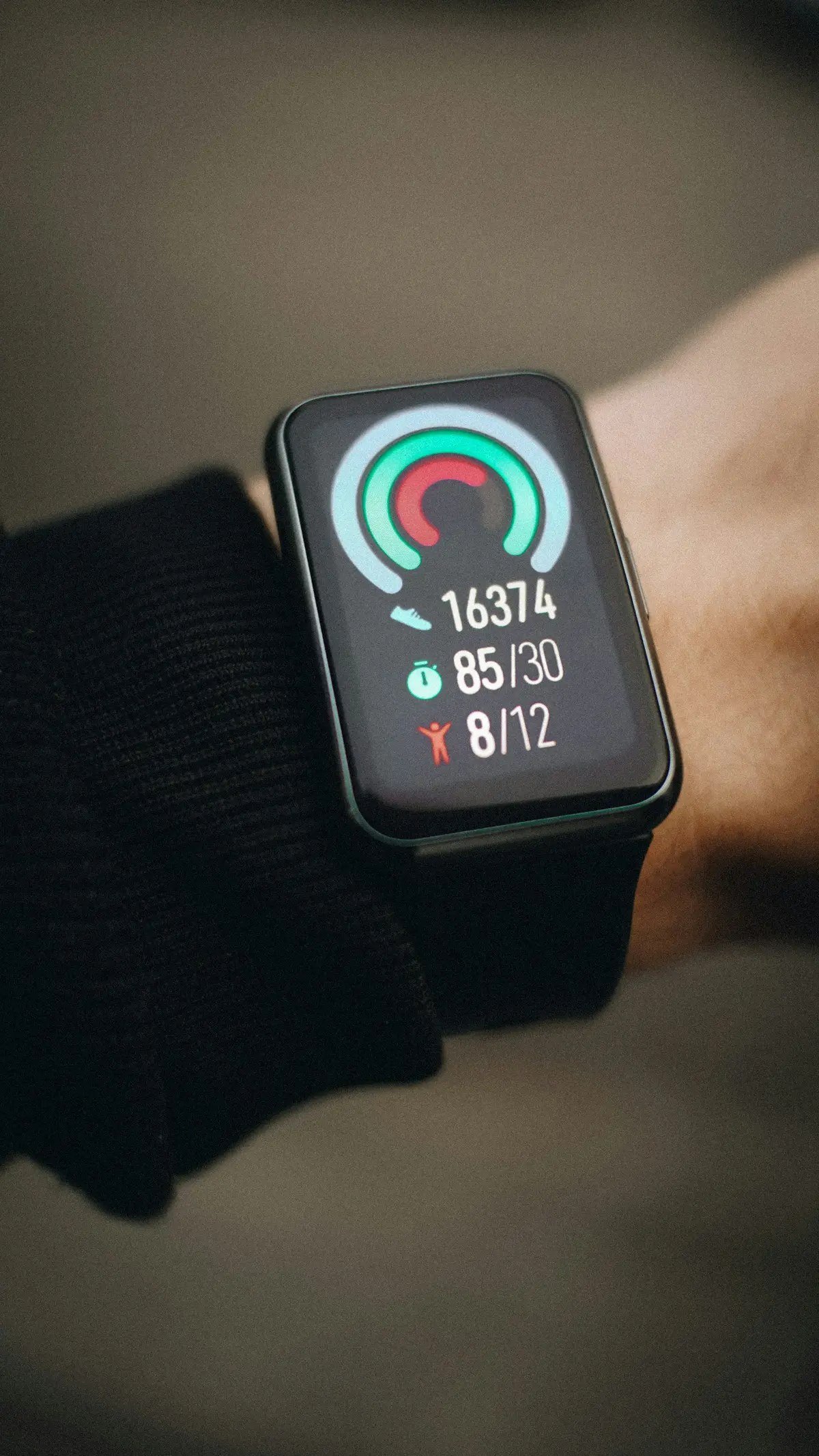
Is walking 10,000 steps a day really necessary for good health? It’s the most famous fitness number in the world — programmed into trackers, repeated by doctors, pursued by millions. But here’s the twist: 10,000 steps wasn’t born from science. It was born from marketing — a 1960s Japanese pedometer called “Manpo-kei” (literally “10,000 steps meter”), where 10,000 was chosen because it sounded good. So what does actual research say? The answer is encouraging, nuanced, and lower than you’d expect.
Is Walking 10000 Steps a Day Really Necessary for Good Health?
Large studies (including landmark Harvard research tracking thousands of older women) find a clear pattern: mortality risk drops steeply as daily steps increase from sedentary levels up to ~7,000-8,000 steps, then plateaus. Going from 2,000 to 7,000 steps delivers dramatic benefit; going from 7,000 to 12,000 delivers modest additional benefit. The curve flattens — more isn’t harmful, but the life-extending returns diminish.
Key findings: ~4,000 steps already shows meaningful benefit versus ~2,000 (sedentary). ~7,500 steps captures most of the mortality benefit for most adults. Intensity matters too: brisk walking (where you’re slightly breathless) delivers more cardiovascular benefit per step than ambling. And it doesn’t have to be “steps” — the research measures steps because they’re countable, but any equivalent activity (cycling, swimming, gardening) confers similar benefits.
Is Walking 10,000 Steps a Day Really Necessary? The Honest Answer
No — 10,000 isn’t a magic threshold, and falling short isn’t failure. The evidence supports ~7,000-8,000 daily steps as the sweet spot where most health benefits accrue, with meaningful gains starting far lower. If you’re currently at 3,000, getting to 6,000 transforms your health outlook more than going from 8,000 to 12,000 ever will.
That said, 10,000 remains a fine aspirational target — it’s simple, memorable, and the extra steps certainly don’t hurt. Just don’t let perfectionism poison progress: someone hitting 6,500 daily steps consistently is doing vastly better than someone who hits 12,000 twice then quits their tracker in frustration. For the full activity picture, see how much exercise adults actually need.
Why Walking Deserves Its Reputation
Walking is the most underrated exercise in existence: zero equipment, zero gym, zero skill required. It’s joint-friendly (unlike running), sustainable into old age, and easy to integrate into life (walking meetings, parking farther, evening strolls). Research links regular walking to reduced cardiovascular disease, better blood sugar control, improved mood and creativity, better sleep, and — relevantly — lower back pain relief. It’s also meditative: the rhythmic bilateral movement genuinely calms the nervous system. The best exercise is the one you’ll do forever, and almost everyone can walk forever.
Making More Steps Happen (Without “Exercising”)
The secret to high step counts isn’t workouts — it’s weaving movement into your day so steps accumulate effortlessly:
- Walking meetings: phone calls become strolls — 30 minutes = ~3,000 steps without “exercising”
- The parking trick: park far, take stairs, get off transit one stop early — each adds hundreds
- The post-meal walk: 10-15 minutes after meals — brilliant for blood sugar control and digestion, ~1,500 steps
- Evening wind-down walk: replaces couch time, improves sleep, ~2,000-3,000 steps
- Walking errands: the coffee shop, the mailbox, the nearby store — walkable trips you’d normally drive
- Pacing during downtime: pace while on hold, while the microwave runs, during TV commercials — it adds up absurdly fast
Track for two weeks to establish your baseline, then add 1,000 steps/day every week or two until you hit your target. Gradual beats heroic — your joints and schedule will thank you.
Why the Myth Worked (Give the Marketers Credit)
Here’s the uncomfortable truth for science purists: the 10,000-step goal worked — millions of people walk more because of it. Round numbers are memorable, trackers made them gamifiable, and “close your rings” psychology is genuinely effective. The number was wrong; the behavioral design was brilliant.
The lesson: the best goal is the one you’ll follow. If 10,000 motivates you, keep it — there’s nothing harmful about walking more (barring overuse injuries from sudden jumps in volume). If it demoralizes you, drop it for an evidence-based target without guilt. What actually matters: a clear daily target, tracked somehow, with a streak or social element. The research on habit formation supports: specific goals beat vague ones (“walk more”), tracking beats memory, and consistency beats intensity.
Smart progression: if you’re currently at 3,000 steps, don’t leap to 10,000 — increase by ~1,000 per week. Sudden volume jumps cause shin splints, foot pain, and burnout. Build the habit at a sustainable level first, then raise the bar. The tortoise approach wins the step race too.
Steps vs. Minutes vs. Intensity: Which Metric Wins?
Steps are convenient but crude — they ignore intensity entirely. Ten thousand slow shuffling steps and ten thousand brisk hill-climbing steps are counted identically by your tracker but are physiologically different workouts. That’s why researchers increasingly prefer active minutes or moderate-to-vigorous physical activity (MVPA) as metrics: they capture what steps miss.
Practically: a hybrid approach works best. Use steps as your background-activity metric (they brilliantly capture the NEAT — non-exercise activity thermogenesis — that keeps sedentary workers healthy), and use active minutes or heart-rate zones for your dedicated exercise. Your tracker probably reports both; most people obsess over the wrong one. The office worker who hits 10,000 slow steps but never elevates their heart rate is healthier than the 3,000-step worker — but less fit than the 7,000-step worker who also does three brisk 20-minute walks weekly. Volume plus intensity beats volume alone.
The Practical Takeaway
Is walking 10,000 steps a day really necessary? No — it’s a marketing number, not a scientific one. Research shows most benefits accrue by ~7,000-8,000 steps, with meaningful gains starting much lower. Aim for that range, prioritize consistency over perfection, add briskness for extra benefit, and weave walking into your day rather than treating it as another workout to dread. Your tracker is a tool, not a judge — and every step past sedentary is a step toward better health — whatever number gets you moving is the right number for you. The surprising history of the pedometer — including the 1960s marketing campaign behind 10,000 steps — is worth knowing before you chase the number.