Your first camping trip is one of those experiences that’s either magical or miserable, and the difference almost always comes down to gear. Not expensive gear — just the right gear. I still remember my first trip: I brought a cotton hoodie, no sleeping pad, and a flashlight with dying batteries. I spent the night cold, damp, and questioning all my life choices. Don’t be me. Here are the essential items for a first-time camper that actually matter, plus the stuff you can skip.
The Big Three: Shelter, Sleep, and Warmth
If you get these right, everything else is details. If you get them wrong, nothing else saves the trip.
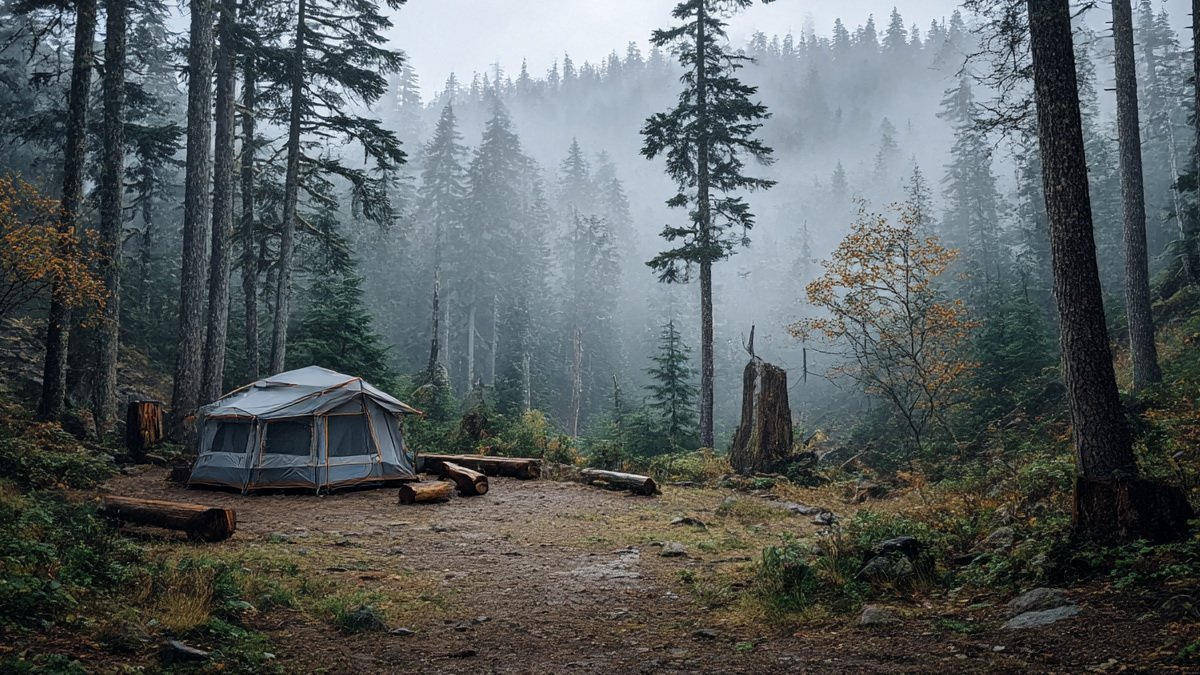
1. A tent you can actually set up. For beginners, a simple dome tent rated for one more person than you’re bringing (a “3-person” tent for two people — trust me on this). Practice pitching it in your backyard or living room before the trip. Nothing destroys morale like wrestling with poles in the dark while mosquitoes feast.
2. A sleeping bag rated below the expected low. If the forecast says 50°F, bring a bag rated to 35–40°F. Temperature ratings are survival ratings, not comfort ratings, and first-timers always sleep colder than they expect. Synthetic bags are cheaper and handle dampness better than down — the right call for beginners.
3. A sleeping pad — non-negotiable. This is the item first-timers skip and regret most. The ground sucks heat out of your body all night; a pad insulates you from it. A basic self-inflating pad ($40–$60) transforms sleep quality more than any other single item. Don’t learn this the hard way like I did.
Clothing: Dress Like an Onion
The golden rule of camping clothing is layers, and the cardinal sin is cotton. Cotton holds moisture and dries slowly — in cool weather, wet cotton can genuinely be dangerous. Pack:
- Base layer: moisture-wicking synthetic or merino wool top and bottom
- Mid layer: fleece or puffy jacket for insulation
- Outer layer: a rain jacket, even if the forecast is clear — mountain weather changes fast
- Extra socks. More than you think. Dry socks are pure happiness at a campsite.
- A warm hat and gloves for evenings, even in summer at elevation
- Broken-in hiking shoes or boots — never brand-new footwear on a first trip
Pack one full change of clothes sealed in a dry bag or trash bag. If everything else gets wet, you’ll still have something dry to sleep in.
Cooking and Eating Without a Kitchen
You don’t need a full camp kitchen for your first trip. Keep it simple:
- A single-burner camp stove plus fuel (check the park’s fire regulations first — some areas ban open flames seasonally)
- One pot, one pan, and basic utensils — or go stoveless with no-cook meals for trip one
- A cooler with ice for perishables, packed with food you’ll actually eat
- Plenty of water plus a way to treat more (filter, purification tablets, or just bring extra jugs)
- Trash bags — pack out everything, leave the site cleaner than you found it
Meal plan before you go. Simple wins: tacos, pasta, oatmeal, sandwiches. Hungry campers make bad cooks, so have snacks ready the moment you arrive. The National Park Service camping guides include food storage rules — in bear country, this isn’t optional.
Safety and Comfort Essentials
Beyond the big three, these are the items that separate a smooth trip from a stressful one:
- Headlamp plus a backup light. Headlamps beat flashlights because your hands stay free. Bring extra batteries.
- First aid kit with blister treatment, pain relievers, antihistamines, and any personal medications
- Map and compass (or offline maps) — don’t rely solely on cell service
- Fire starters — waterproof matches, a lighter, and a couple of firestarter cubes
- Multi-tool or knife for the hundred small tasks that come up
- Sunscreen and insect repellent — the two most forgotten items in camping history
- Toilet paper, hand sanitizer, and a trowel if you’re going rustic
Check the forecast obsessively in the final 48 hours and adjust. And tell someone where you’re going and when you’ll be back — the most important safety item is a person who’ll notice if you don’t return.
What First-Timers Should Skip (for Now)
Save your money and trunk space. You don’t need: a camp table (use a log or cooler), fancy camp chairs (a cheap one is fine), a huge cooler (medium is plenty for a weekend), or specialized gadgets. Borrow or rent the big-ticket items — tent, sleeping bag, pad — for trip one. Many outdoor retailers and local outfitters rent quality gear cheaply. Buy your own only after you know you love it.
Campground Etiquette Every Beginner Should Know
Camping has unwritten rules, and violating them is the fastest way to annoy everyone within earshot. The big ones: observe quiet hours (usually 10 p.m. to 6 a.m. — no music, no loud talking, no car doors slamming), keep your campfire smoke and light out of neighbors’ tents, and never cut through someone else’s campsite — walk around, always.
Food storage isn’t just etiquette, it’s safety: in bear country, everything scented goes in the provided bear box or your car — not just food, but toiletries, sunscreen, and that “empty” cooler. Raccoons and rodents are the more common thieves elsewhere, and they’re shockingly bold. A clean camp is a pest-free camp.
Leave-no-trace basics: pack out all trash (including “biodegradable” stuff like apple cores and peanut shells — they don’t belong there), use established fire rings, don’t carve or hammer anything into trees, and leave your site cleaner than you found it. Future campers — including future you — will thank you.
The Bottom Line
The essential items for a first-time camper fit a simple formula: reliable shelter, warm sleep system, layered clothing, simple food, and basic safety gear. Get those right, keep the trip short (one or two nights), and pick a campground with amenities for your first outing — there’s no prize for suffering. You’ll learn what you personally need on trip two. And if you’re road-tripping to the campground with a furry friend, check our guide on finding pet-friendly hotels for a road trip — many campgrounds welcome pets too, with the right preparation. Want to capture the memories? See how to document a trip without a fancy camera.