Trivia night can be the best night of the week — or a tedious slog through one person’s obscure knowledge. The difference is hosting. A great trivia host keeps energy high, questions fair, and everyone engaged from round one to the final wager. Here’s how to host a trivia night that keeps everyone engaged, whether it’s at home, a bar, or a fundraiser.
The Golden Rules of Trivia Hosting
- Variety beats difficulty: mix easy, medium, and hard in every round. If only the experts can answer, everyone else checks out. Every team should get ~60% right — that’s the engagement sweet spot.
- Pace is everything: 6-8 rounds of 8-10 questions, 60-90 minutes total. Longer than that and energy dies; shorter feels abrupt.
- Read the room: if a round is bombing, move faster. If the crowd’s buzzing, let the energy breathe. Rigidity kills fun.
- You’re an entertainer first: banter between questions, react to answers, build narratives (“Team Trivia Newton John is on a comeback!”). The host’s energy sets the room’s energy.
Structuring the Night
The classic format
- Rounds 1-2: warm-up — general knowledge, accessible. Get everyone scoring early.
- Rounds 3-4: themed (music, movies, sports, history). Themes let teams strategize around strengths.
- Round 5: the wildcard — picture round, audio round (name that tune), or physical challenge. Breaks up the Q&A rhythm.
- Round 6: harder general knowledge for separation.
- Final: wager round — teams bet points on one last question. Comebacks happen here; it’s the most exciting 5 minutes of the night.
Team setup
Teams of 4-6 are ideal. Smaller teams feel the pressure; larger teams have passengers. Cap team size to keep it fair. Fun team names are mandatory — offer a bonus point for the best name (judged by applause). It breaks the ice immediately.
Writing Great Questions
- One fact per question: clear, unambiguous, single-answer. “What year did X happen” beats convoluted multi-part riddles.
- Avoid the obscure: if you’d need to Google it, your audience will too — in their heads, resentfully. Aim for “I knew that!” not “how would anyone know that?”
- Mix question types: multiple choice for hard ones (gives everyone a shot), open answer for accessible ones, true/false sparingly.
- Current + timeless: blend recent events with evergreen knowledge. All-current alienates; all-timeless feels stale.
- Test your questions: run them past one non-expert friend. If they get ~half, the difficulty’s right.
- Prepare 20% extra: tiebreakers happen. Have sudden-death questions ready — closest-guess numerical questions work best (“how many…?”).
For large groups, the tournament principles in party games for large groups apply — trivia scales beautifully.
Keeping Everyone Engaged (The Hard Part)
- No phones: the honor system, stated upfront with humor. “Phones away — cheaters will be mocked relentlessly.” Most people comply; the social contract works.
- Halftime: a 10-minute break midway — scores update, bathroom, snacks, socializing. Trivia is a marathon; halftime prevents fatigue.
- Side games: a halftime mini-game (paper airplane contest, heads-or-tails) keeps energy up and gives losing teams something to win.
- Live scoring: update scores visibly between rounds (whiteboard, projected spreadsheet). The leaderboard creates narrative — comebacks, rivalries, drama.
- Prizes: don’t need to be big — bar tabs, silly trophies, candy. Award 1st, 2nd, and best team name at minimum. Everyone loves winning something.
- The comeback mechanic: the final wager round means no lead is safe. Announce this upfront — it keeps last-place teams playing hard all night.
Tech and Logistics
- Sound: a microphone is non-negotiable for 15+ people. A $30 PA speaker or karaoke mic works. If they can’t hear you, you’ve lost.
- Display: project questions (laptop + TV/projector) as well as reading them — visual + audio aids retention and fairness.
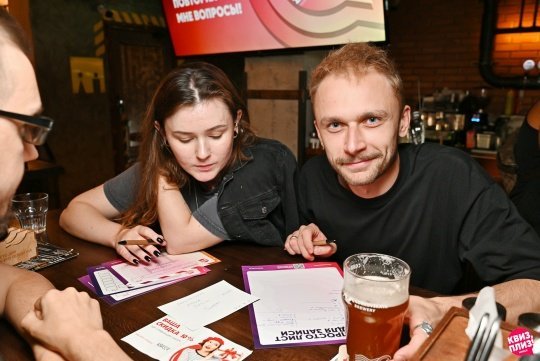
- Answer sheets: printed sheets per round, or one big sheet. Collect after each round for scoring during the next.
- Timing: 60-90 seconds per question, announced clearly. A visible timer (phone app projected) keeps things moving.
- Scoring help: recruit one friend to score while you host. Doing both is miserable.
Trivia Night FAQ
How many questions total? 50-60 across 6-8 rounds. More than that exhausts; fewer feels thin. Quality over quantity, always.
What if one team dominates? The wager final round helps. Also: handicap by mixing teams (draw names from a hat), or add a “everyone plays” lightning round where individuals compete. Dominant teams are less fun for everyone, including them — eventually.
Can I use a trivia app instead of hosting? Apps (like Trivia Plaza, or Jackbox) work for casual nights, but a human host is 10x more engaging. The banter, the reactions, the flexibility — apps can’t replicate it. Host it yourself; you’ll be great.
How do I handle disputes? Decide disputes quickly and generously — if an answer is arguably correct, accept it. Arguing with the host kills the vibe; being a generous host builds loyalty. Your word is final, delivered with a smile.
The Takeaway
Hosting a trivia night that keeps everyone engaged comes down to: varied difficulty (everyone scores), tight pacing (60-90 minutes), an entertaining host (you’re the show), visible scoring (narrative!), and a wager finale (comebacks!). Prepare well, read the room, and remember — the goal isn’t testing knowledge, it’s creating a night people want to repeat. Do it monthly and it’ll become a tradition.
Trivia for Different Occasions
- Fundraiser trivia: charge per team, get prize donations from local businesses, add a silent auction at halftime. Trivia fundraisers routinely raise thousands — the format is perfect for it.
- Virtual trivia: video call + screen-shared slides + teams in breakout rooms. Works surprisingly well; keep rounds shorter (attention spans shrink online).
- Holiday themed: Christmas, Halloween, Oscars night — themed trivia writes itself and draws crowds. Costumes optional but encouraged.
- Kids/family trivia: easier questions, picture rounds, team with parents. Great for school fundraisers and family parties.
The format adapts to everything — once you can host one trivia night, you can host them all. It’s a genuine social superpower.
Your First Trivia Night: A Checklist
- Questions written and tested (60, plus 10 tiebreakers)
- Answer sheets printed, pens available
- Microphone/speaker tested
- Projector or TV for visual rounds
- Scoring system ready (spreadsheet or whiteboard)
- Prizes bought (1st, 2nd, best team name)
- Co-host or scorer recruited
- Halftime activity planned
Run through it once in your head the day before. Preparation is invisible when it works — and glaringly obvious when it doesn’t. You’ve got this.
The Pub Quiz Tradition
The pub quiz was invented in 1970s Britain and conquered the world — the format you’re hosting descends directly from it. Fifty years of refinement went into the structure: teams, rounds, the wager finale. You’re not inventing trivia night; you’re inheriting a proven tradition. Host it well.
Trivia pairs perfectly with game nights generally — board games for adult groups offer great follow-up entertainment after the quiz ends.