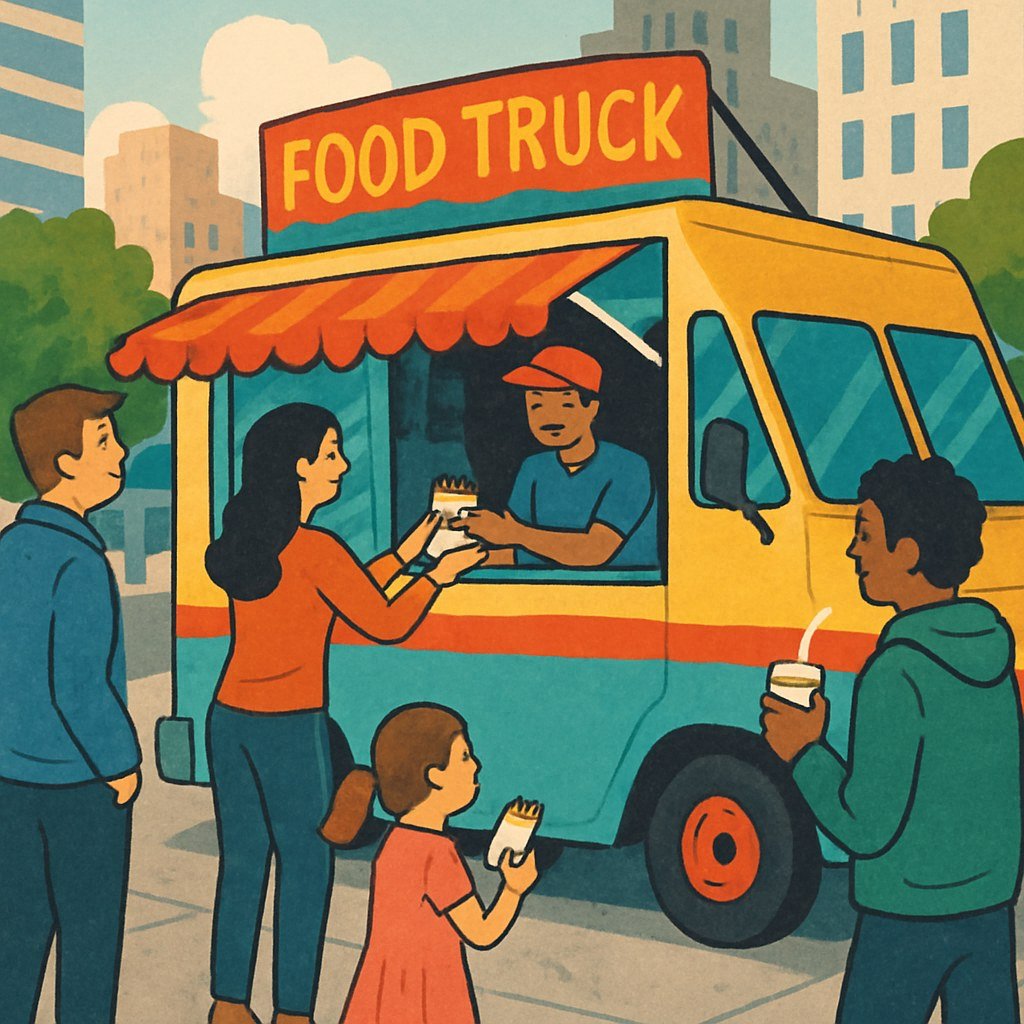
What are realistic startup costs for a food truck business? You’ll see numbers everywhere from $50,000 to $250,000, which is not exactly helpful when you’re trying to decide if this dream is actually fundable. The real answer: most food trucks launch for somewhere between $75,000 and $150,000 all-in — but the range is wide because the choices you make swing the math dramatically.
I’ve dug into real food truck budgets, and the owners who succeed are the ones who priced everything before falling in love with a truck. Let’s do that now.
What Are Realistic Startup Costs for a Food Truck Business?
This is where budgets live or die:
- Used truck + buildout: $50,000–$100,000. The most common path. A solid used step van or truck plus a professional kitchen buildout. Inspect ruthlessly — engine and refrigeration problems will eat you alive.
- New custom build: $120,000–$200,000+. Beautiful, warrantied, and expensive. Only makes sense with serious funding.
- Trailer instead of truck: $30,000–$70,000 for the trailer and buildout, but you still need a tow vehicle.
- Leasing: Some companies lease ready-to-roll trucks for $2,000–$4,000/month — lower upfront, higher long-term cost, but a smart way to test the concept.
Whatever you buy, budget $5,000–$10,000 for immediate repairs and upgrades. Every used food truck owner I know found surprises in the first month.
Equipment, Permits, and the Costs Nobody Mentions
Beyond the vehicle, realistic startup costs for a food truck business include:
- Kitchen equipment: $10,000–$30,000 (grills, fryers, refrigeration, generators, fire suppression). Commercial-grade everything — residential equipment won’t survive or pass inspection.
- Permits and licenses: $2,000–$5,000. Business license, health permits, fire inspection, commissary agreement, parking/location permits. Costs vary wildly by city — New York and Los Angeles are far pricier than smaller markets.
- Commissary kitchen: $500–$1,500/month. Most cities require you to prep and park at a licensed commissary. This is a non-negotiable recurring cost.
- Initial inventory: $2,000–$4,000 to stock up.
- Insurance: $3,000–$5,000/year for commercial auto plus general liability. Required, not optional.
- Branding and wrap: $2,500–$5,000. Your truck’s exterior is your billboard — don’t cheap out here.
- POS system: $500–$1,500 for hardware plus monthly software fees.
- Working capital: 3 months of operating costs in reserve. This is the line item that separates survivors from closures.
The SBA’s startup cost calculator is a good framework for making sure you haven’t missed categories.
Monthly Operating Costs to Plan For
Once rolling, expect $8,000–$15,000/month in operating costs: commissary rent, fuel and propane, food costs (aim for 28–35% of revenue), labor, insurance installments, maintenance, and location fees. Events often charge $100–$500+ for a spot, or take a percentage of sales.
Do the math backwards: if your average ticket is $12 and you need $15,000/month to break even, that’s 1,250 transactions — about 50 a day, six days a week. Is your location and concept capable of that? Be brutally honest here. This is exactly the kind of validation in how to tell if your business idea is actually profitable.
Ways to Cut Costs Without Cutting Corners
- Start with a trailer or leased truck to validate the concept before a big purchase
- Buy used commercial equipment from restaurant auctions
- Design a tight menu — fewer ingredients means lower inventory costs and less waste
- Share a commissary or negotiate off-peak rates
How to Finance It Without Drowning in Debt
Few people have $100,000 in cash lying around, so let’s talk funding realistically. SBA microloans (up to $50,000) are designed for exactly this kind of business and come with reasonable terms — the SBA loan programs page is the place to start. Equipment financing lets you borrow against the truck itself, which means lower rates because the lender has collateral.
Some owners bootstrap in stages: start with a used trailer and minimal buildout, prove the concept for a season, then reinvest profits into the dream truck. Others bring on a partner who funds the buildout in exchange for equity. What I’d avoid: maxing out personal credit cards or taking a second mortgage before you’ve validated demand. The staged approach — which echoes the validation steps in how to tell if your business idea is actually profitable — keeps your downside survivable if the first location flops.
Location Strategy Makes or Breaks You
A food truck is a restaurant where the rent is really a location decision you remake daily. The highest-revenue trucks treat location like a science: office districts at lunch, brewery partnerships on weekends, late-night spots near bars, and private events (weddings, corporate lunches) that can net $1,000–$3,000 in a single booking.
Build relationships with property owners and event organizers before you launch — the trucks making real money have recurring weekly spots locked in, not a hope-and-drive strategy. Track revenue per location ruthlessly for the first 90 days and double down on what works. A mediocre menu in a great location beats a great menu in a dead location almost every time.
Common Budget Mistakes to Avoid
- Skipping the working capital reserve — the #1 killer of new food trucks
- Underestimating commissary and permit costs in expensive cities
- Buying too much equipment before knowing your actual menu volume
- Forgetting that you’ll pay yourself last — budget your own living expenses separately
The Practical Takeaway
Realistic startup costs for a food truck business run $75,000–$150,000 for most owners, with the truck itself as the biggest variable. Budget the unsexy stuff — permits, commissary, insurance, working capital — with the same care as the truck, and validate your daily transaction math before spending a dollar. Get those right and you’re buying a business, not an expensive hobby. Talk to at least three working food truck owners in your city before you commit — most are happy to share real numbers over coffee, and their hard-won lessons are worth more than any article, including this one — because local permit costs, commissary rates, and event fees vary enormously by city and season. And once you’re serving, the same cost discipline applies if you add packaged goods — plus AI tools can help manage orders and reservations as you grow.