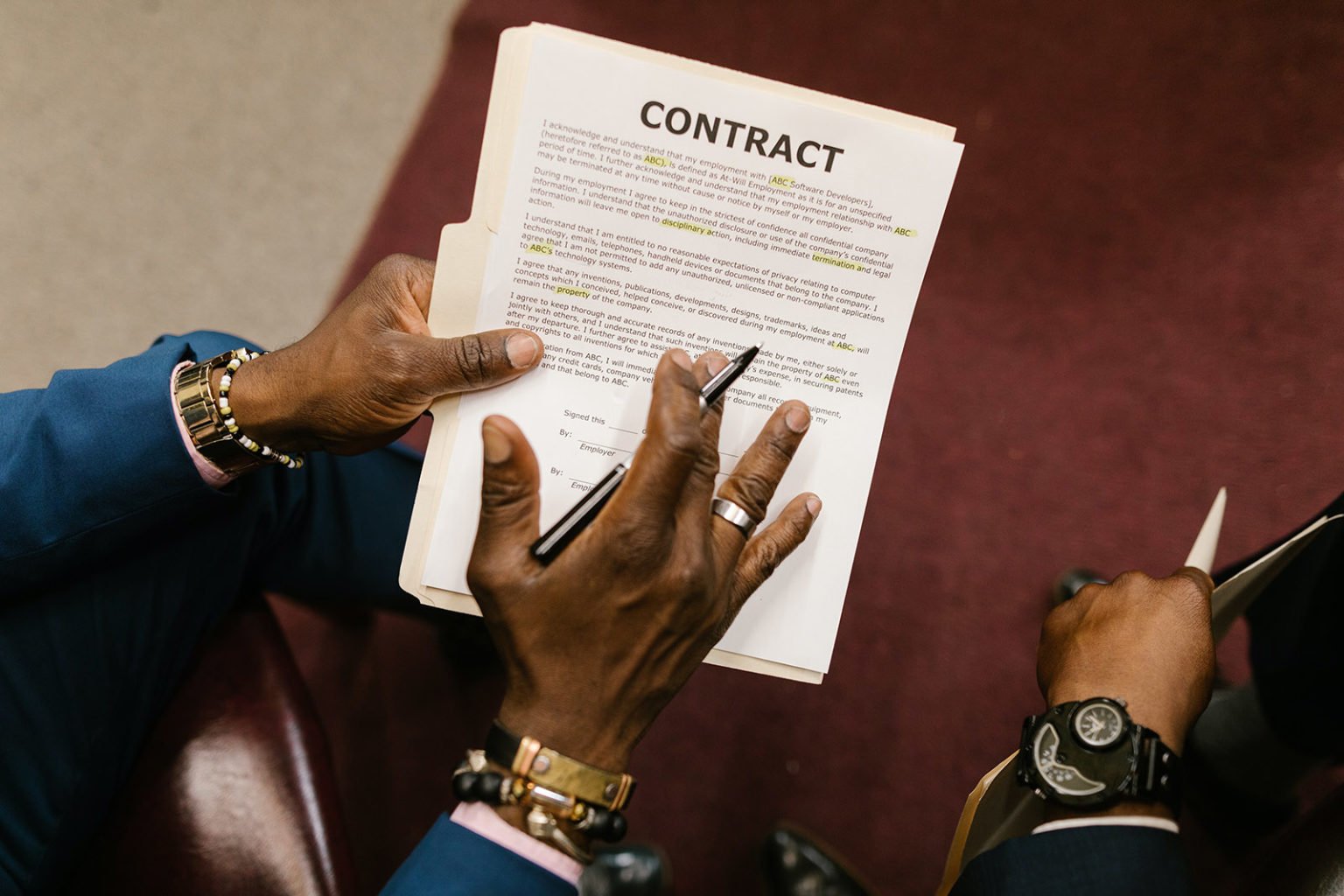
How do I protect my business idea before launching? Almost every founder asks this, usually right before telling someone about the idea for the first time. The fear is real — you’ve got something you believe in, and the thought of someone bigger running off with it is genuinely scary.
Here’s the honest truth I’ve learned from watching startups for years: ideas are rarely stolen, but execution advantage is real. Still, there are smart, cheap protections worth putting in place. Let’s separate what actually protects you from what just feels protective.
First, the Uncomfortable Truth About Idea Theft
In my experience, the risk of someone stealing your idea is wildly overestimated, and the risk of building the wrong thing because you were too secretive to get feedback is wildly underestimated. Investors hear hundreds of pitches; they don’t steal ideas because ideas aren’t the scarce part — execution is.
That said, “don’t worry about it” is not a strategy. There are specific situations where protection matters: when you’re sharing technical details with a potential manufacturer, when a contractor will see your proprietary process, when your brand name is central to the business. Protect those moments deliberately.
NDAs: Useful, but Narrower Than You Think
A non-disclosure agreement is the most common tool, and it works best in specific relationships — with contractors, manufacturers, and potential partners who’ll see confidential details. Keep it mutual, keep it narrow (define exactly what’s confidential), and put a reasonable time limit on it.
What NDAs don’t do: they won’t stop someone from building a competing business from a general concept, and most investors will refuse to sign one before a pitch — it’s standard, not personal. Don’t let NDA negotiations delay you for weeks; speed matters more than perfect paperwork at the idea stage. The USPTO’s inventor resources are a solid starting point for understanding what formal protections actually cover.
How Do I Protect My Business Idea Before Launching? Use the Right Tool for Each Asset
Different parts of your idea need different protection:
- Brand name and logo → Trademark. File early if the name matters. A federal trademark application costs a few hundred dollars and prevents copycats from trading on your brand. Search the USPTO database first to make sure your name is actually available.
- Original content, software code, designs → Copyright. Copyright exists automatically when you create something, but registration gives you real enforcement power. Cheap and worth doing for core creative assets.
- Genuinely novel inventions → Patent. Patents are expensive (think $10,000+ with a lawyer) and slow. A provisional patent application is a cheaper placeholder that gives you a year of “patent pending” status while you test the market. Only go here if the invention itself is the business.
- Recipes, processes, customer lists → Trade secrets. Some things are best protected by simply not telling anyone. Use confidentiality clauses in contractor and employee agreements.
Document Everything (Your Paper Trail Is Protection)
Keep dated records of your work: design files with timestamps, development logs, dated notes. Emailing documents to yourself creates a timestamped record. This “poor man’s” documentation isn’t a substitute for real IP protection, but it establishes a timeline of who created what and when — which matters enormously if a dispute ever arises.
If you’re working with a co-founder or early team, get the ownership in writing now. A simple founder agreement covering who owns the IP being created saves friendships and companies later. This pairs with validating that your business idea is actually profitable — protection means little if the idea can’t make money.
The Protection That Matters Most: Speed
Here’s what nobody selling legal services will tell you: your best protection is moving fast and building something customers love. A competitor can copy your idea, but they can’t copy your customer relationships, your brand trust, your iteration speed, or your team’s obsession. Those moats are built, not filed.
Protecting the Idea Within Your Own Team
Co-founders and early hires see everything, so this is where written agreements matter most. Before anyone writes a line of code or designs a logo, have a simple agreement stating that all work product and IP created for the business belongs to the business. For employees and contractors, this is typically an IP assignment clause in their offer letter or contractor agreement — standard practice, not paranoia.
Vesting schedules for co-founder equity serve a protective function too. If a co-founder leaves after three months with 40% of the company, that’s a disaster no NDA can fix. Standard four-year vesting with a one-year cliff means everyone earns their stake by sticking around and building. Have the uncomfortable conversation now; it’s infinitely harder later.
Your First-30-Days Protection Checklist
Don’t let this become a procrastination project. Here’s what to actually do in your first month:
- Week 1: Search the USPTO database for your brand name and buy the domain. Document your concept with dated notes.
- Week 2: Draft a simple mutual NDA template (plenty of reputable free templates exist — have a lawyer review yours before relying on it).
- Week 3: File a trademark application if the brand is central, and register copyrights on core creative work.
- Week 4: Get IP assignment language into every contractor and co-founder agreement before more work is created.
Total cost if you do most of it yourself: a few hundred dollars and a handful of evenings. That’s cheap insurance for something you’re about to pour years into.
The Practical Takeaway
To protect your business idea before launching: use NDAs selectively with contractors and partners, trademark your brand name early, document everything with timestamps, get IP ownership in writing with co-founders, and consider provisional patents only for truly novel inventions. Then stop worrying and start building — momentum is a moat, and every week you spend tweaking legal documents is a week a competitor spends talking to customers — and if AI is part of your plan, check out the best free AI tools for small business owners and whether AI-generated images are legal for commercial projects before you build your brand on them.