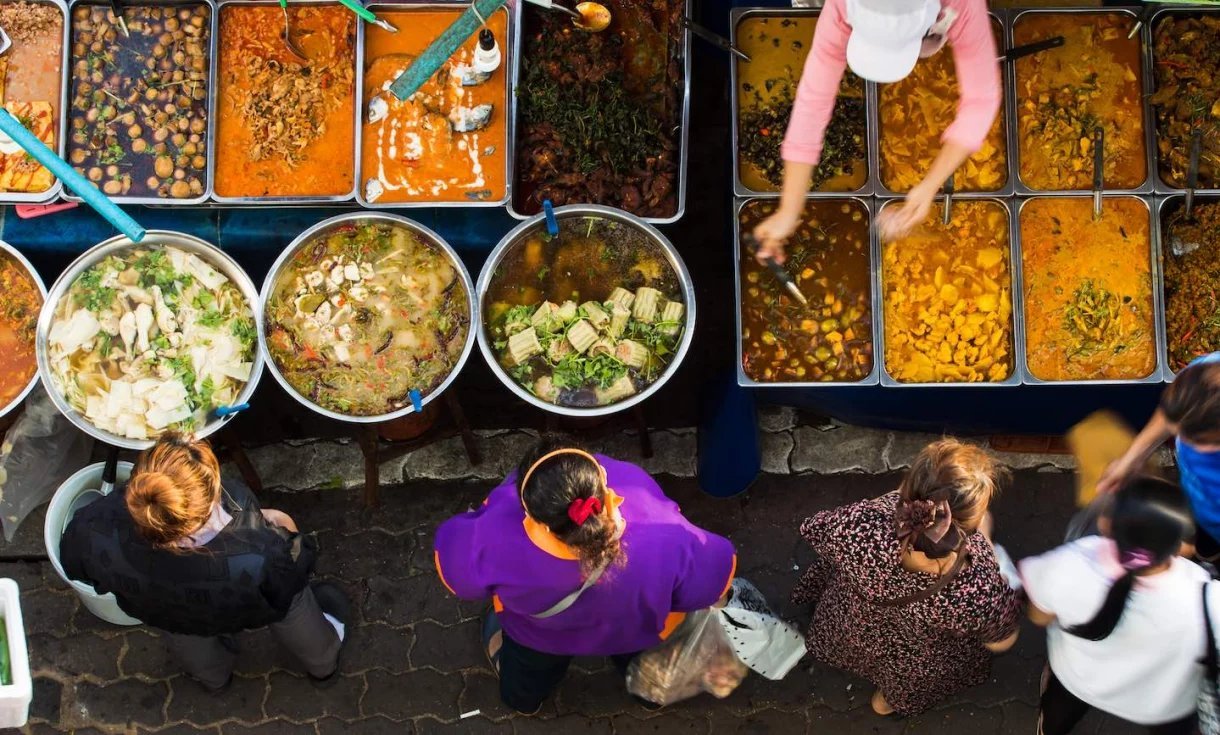
The best meal of your trip probably won’t be at the restaurant with the English menu and the TripAdvisor sticker. It’ll be at the plastic-stool place down the alley, or the market stall with a line of locals, or the family-run spot your taxi driver mentioned. But finding those places takes more than luck. So how do you find authentic local food when visiting a new place? With a mix of research, observation, and the willingness to eat where the locals eat — even when it looks nothing like the restaurants back home.
I’ve eaten my way through 30+ countries, and the pattern is consistent: the most memorable meals came from the least assuming places. Here’s how to find them systematically.
The Research Phase (Before and During)
- Learn the local food culture first. What do locals actually eat daily? (Not the “national dish” from the tourism brochure — the Tuesday lunch.) A 20-minute read on the destination’s food culture prevents the classic mistake of ordering the tourist-menu version of everything. Wikipedia’s cuisine overviews are surprisingly solid starting points.
- Mine local sources: City food blogs (in English or translated), local subreddits, expat forums. Search “[city] where do locals eat” — the threads deliver.
- Ask strategically: Not “where should I eat?” (gets tourist answers) but “where do YOU eat lunch on workdays?” Ask taxi drivers, shop owners, hotel staff (not the concierge — the housekeeping staff), fellow travelers who’ve been there longer than you.
- Food tour on day one: A well-reviewed walking food tour ($40–70) is the highest-ROI activity in any food city — a local shows you the landscape, and you spend the rest of the trip eating well. Book the tour for your first full day.
How Do I Find Authentic Local Food When Visiting a New Place? Read the Street
Once you’re there, your eyes are the best guide:
- Follow the local lunch crowd. The packed noodle shop at noon full of office workers, the taco stand with a line of construction workers — these are never wrong. Locals vote with their feet daily; tourists vote once.
- Look for specialization. The best places do ONE thing: the dumpling shop, the rotisserie chicken place, the bakery with a line out the door. Jack-of-all-trades menus (pizza + sushi + “local specialties”) serve tourists, not locals.
- Check the clientele: Families with kids, elderly locals, workers on break = authentic. Tour groups with cameras = proceed with caution.
- Markets are the cheat code. Food halls, night markets, morning markets — the highest concentration of authentic, cheap, excellent food in any city. Go hungry, graze widely, ask vendors what’s good.
- Smaller menu, local language, no photos: The classic trifecta. (Though in some countries, photo menus are normal even at local spots — know your destination.)
This is the food-specific application of avoiding tourist traps — the same “walk three streets from the landmark” rule applies doubly to restaurants.
Eat Adventurously (Within Reason)
- Order what the table next to you is having. Point, smile, say “same.” It’s the universal language of good eating.
- Try the street food. The rule: eat where it’s busy (high turnover = fresh), where it’s cooked in front of you, and where locals are eating. Skip raw/peeled items from sketchy stalls if your stomach is sensitive — cooked-hot food is the safest bet.
- Learn 10 food words. Delicious, spicy, recommended, bill, menu — plus how to say “what’s good here?” Effort earns recommendations; pointing earns the tourist menu.
- Accept the unfamiliar. The weird-looking dish is often the point. Some of my best meals were things I couldn’t identify. (Reasonable caution: know your allergies, and research any genuine food-safety concerns for your destination.)
- Eat at local times. Lunch at local lunch hour, dinner at local dinner hour. Restaurants serve their best when they’re full of regulars, not when they’re reheating for the 6 p.m. tourist seating.
Beyond Restaurants: The Full Food Experience
- Cooking classes: Market tour + cooking class combos teach you the cuisine’s logic, not just its dishes. You’ll eat well AND bring skills home.
- Grocery stores and supermarkets: The most underrated cultural experience. A foreign supermarket reveals more about daily life than any museum — and the prepared food sections are cheap, authentic meals.
- Street desserts and snacks: Lower commitment than a full meal, maximum discovery. The $1 snack that blows your mind is a travel highlight.
- Ask for the off-menu: “What’s not on the menu today?” or “what would you eat?” Regulars get different food; becoming a temporary regular (go twice) earns you access to it.
Order Like a Local: Key Phrases That Open Every Door
Language effort is the master key to authentic food. These phrases, in the local language, change how you’re treated:
- “What’s good here?” / “What do you recommend?” — Ask the server, the vendor, the person next to you. It signals adventurousness, and people love sharing their favorites.
- “Same as them.” — Point at a local’s plate. Works in every language on earth. The gesture is universal.
- “Not too spicy” / “extra spicy” — Calibrate to your tolerance in the local idiom. In Thailand, “pet nit noi” (a little spicy) vs. “pet mak” (very spicy) determines your evening.
- “Delicious!” — Say it with feeling when it is. Cooks remember the appreciative foreigner; you may get the off-menu treat next time.
- “The bill, please.” — In many countries you must ask; the bill never comes unprompted (it’s considered rude to rush you). Learn this one or wait forever.
- “Is this spicy?” / “What’s in this?” — For allergies and the cautious. Point at ingredients if words fail.
Learn these six in the local language before you go (Google Translate’s phrasebook feature saves them offline). Ten minutes of study, and you’ll eat better than tourists who’ve been there a week. Effort is the difference between being served and being welcomed.
Two companions to this guide: planning a vacation on a tight budget (street food and markets are the budget traveler’s superpower) and exchanging currency smartly so market vendors and cash-only spots never catch you short.
The Takeaway
Finding authentic local food when visiting a new place means: researching the real food culture (not the tourist version), asking locals where THEY eat, following the lunch crowd, choosing specialists over generalists, hitting markets hard, and eating adventurously at local hours. The best meals of your trip are waiting three streets from the landmark, at the place with no English menu and a line of locals. Walk past the tout, follow your nose, and order what the next table’s having. Your taste buds will thank you — and so will your wallet, since the authentic spots are almost always cheaper too.