Feast or famine: seasonal businesses make 70% of revenue in 4 months and sweat the other 8. Improving cash flow isn’t about working harder in season — it’s about smoothing the cycle: building off-season revenue, managing the peak’s cash surge wisely, and bridging gaps with reserves and credit arranged before you need it.
I’ve seen seasonal businesses die in March with full order books for June. Here’s how to survive the cycle — permanently.
Tactic 1-3: Build Off-Season Revenue
- 1. Sell the off-season version: landscaper → holiday lighting + snow removal; wedding photographer → family portraits + corporate headshots; ice cream shop → hot drinks + catering. The equipment and skills transfer; only the offer changes. Even 20-30% of peak revenue in off-season transforms the math.
- 2. Maintenance/service contracts: convert one-time peak customers into year-round retainers — the pool company sells monthly maintenance; the HVAC installer sells service plans. Recurring revenue is the antidote to seasonality.
- 3. Pre-sell the peak: early-bird discounts, season passes, deposits for peak bookings collected in the slow months. The ski resort’s season pass, the tax preparer’s January prepay discount — pull peak cash forward into the famine months.
Tactic 4-6: Manage the Peak’s Cash Surge
- 4. The peak paycheck system: during high season, pay yourself a fixed monthly “salary” (not whatever’s left) and sweep the surplus into a separate off-season reserve account. Target: 3-6 months of core expenses banked by season’s end. Automate the transfer — willpower fails, automation doesn’t.
- 5. Don’t mistake peak cash for profit: the classic killer — big season, big spending (new truck, expansion), then the famine arrives with no reserves. Budget annually, not seasonally: total yearly revenue minus total yearly costs = the real number. Spend against the annual budget, not the monthly balance.
- 6. Time major expenses for post-peak: equipment purchases, marketing investments, hiring — schedule them when reserves are fullest, not when the need feels urgent mid-famine.
Tactic 7-8: Bridge Financing (Arrange BEFORE You Need It)
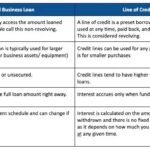
- 7. Business line of credit in the good months: apply during peak season when financials look strongest — $25k-$100k revolving line costs nothing until drawn. Trying to get credit during the famine, with weak financials, is how businesses get declined. Loans vs. lines of credit explains why revolving fits seasonality.
- 8. Invoice faster, collect faster: seasonal businesses can’t afford slow receivables — invoice immediately, offer 2% net-10 discounts, require deposits (30-50%) on peak bookings. Collecting overdue payments systematically. Every week shaved off collection is a week of famine survived.
Tactic 9-10: Cut the Famine Burn
- 9. Flex your cost structure: seasonal staff (not year-round), variable vendor agreements, sublet unused space in off-season, pause subscriptions. Fixed costs are the enemy of seasonal businesses — convert every possible fixed cost to variable.
- 10. Annualize everything: insurance paid annually (cheaper + one hit in a strong month), tax quarterlies planned against the annual budget, loan payments structured with seasonal schedules (some lenders offer seasonal payment plans — ask).
The meta-tactic: run the business on an annual budget with monthly discipline. Seasonality is only fatal when you manage cash monthly in a business that earns annually.
The Seasonal Cash Calendar (Build This Once)
Map 12 months on one page:
- Revenue curve: realistic monthly revenue based on 2-3 years of history (not hopes).
- Fixed costs: the monthly burn that never sleeps — rent, insurance, loan payments, base salaries.
- The gap months: where cumulative cash goes negative — these define your reserve target. If March-May run $8k/month negative, you need $24k banked by February.
- Decision triggers: “if reserves fall below $X by date Y, activate: (a) draw credit line, (b) accelerate receivables, (c) cut discretionary spend.” Pre-decided beats panicked.
- Review quarterly: seasonality shifts (climate, competition, trends) — the calendar is a living document.
Build this in a spreadsheet once, and the seasonal anxiety converts to a managed plan with numbers. Most seasonal stress is just unquantified fear — the calendar quantifies it, and quantified problems have solutions. Accounting software with cash-flow forecasting automates the tracking once the system exists. The SBA’s cash-flow guide has templates.
Realistic Example: the Numbers in Practice
Consider a landscaping business: $180k revenue, 75 percent earned April through September.
- Peak months: about $22,500 per month revenue against $9,000 fixed costs — roughly $13,500 per month bankable, or $81,000 over six months.
- Off months: about $7,500 per month (snow removal plus holiday lighting) against $9,000 costs — a $1,500 monthly gap, $9,000 total.
- The system: during peak, take a fixed monthly draw and sweep the rest to reserves. By October roughly $45,000 is banked; the off-season draws $1,500 a month against it — trivial. A $30k credit line arranged in July sits untouched as backstop.
- Without the system: the same business spends peak cash as it arrives, and October arrives with $4,000 in the bank against $9,000 monthly bills. Same revenue, different fate.
The difference was never the business — it was the system. Annual budget, automated sweeps, pre-arranged credit. Boring mechanics, business-saving results.
Keep Reading
If this was useful, you might also like loans vs lines of credit and accounting software.
The Bottom Line
Smooth the cycle: build off-season revenue (adjacent services, retainers, pre-sales), bank 3-6 months of expenses from peak surplus via automated transfers, secure a credit line during strong months (before you need it), collect receivables aggressively, and flex fixed costs down. Run on an annual budget — and build the 12-month cash calendar once so famine months are a plan, not a panic.
Frequently Asked Questions
How much cash reserve does a seasonal business need?
Minimum: enough to cover the cumulative negative-cash months — typically 3-6 months of core fixed expenses. Calculate from your cash calendar’s gap months, not a generic rule.
Should I take a loan to survive the off-season?
A pre-arranged line of credit (applied for during strong months): yes, that’s exactly what it’s for. A desperate loan during the famine at bad terms: that’s the trap — arrange financing from strength, not desperation.
How do I pay myself with seasonal income?
Fixed monthly ‘salary’ year-round, funded by sweeping peak surplus into a reserve account. Paying yourself from monthly cash flow in a seasonal business means starving in March and bingeing in July — smooth it.