
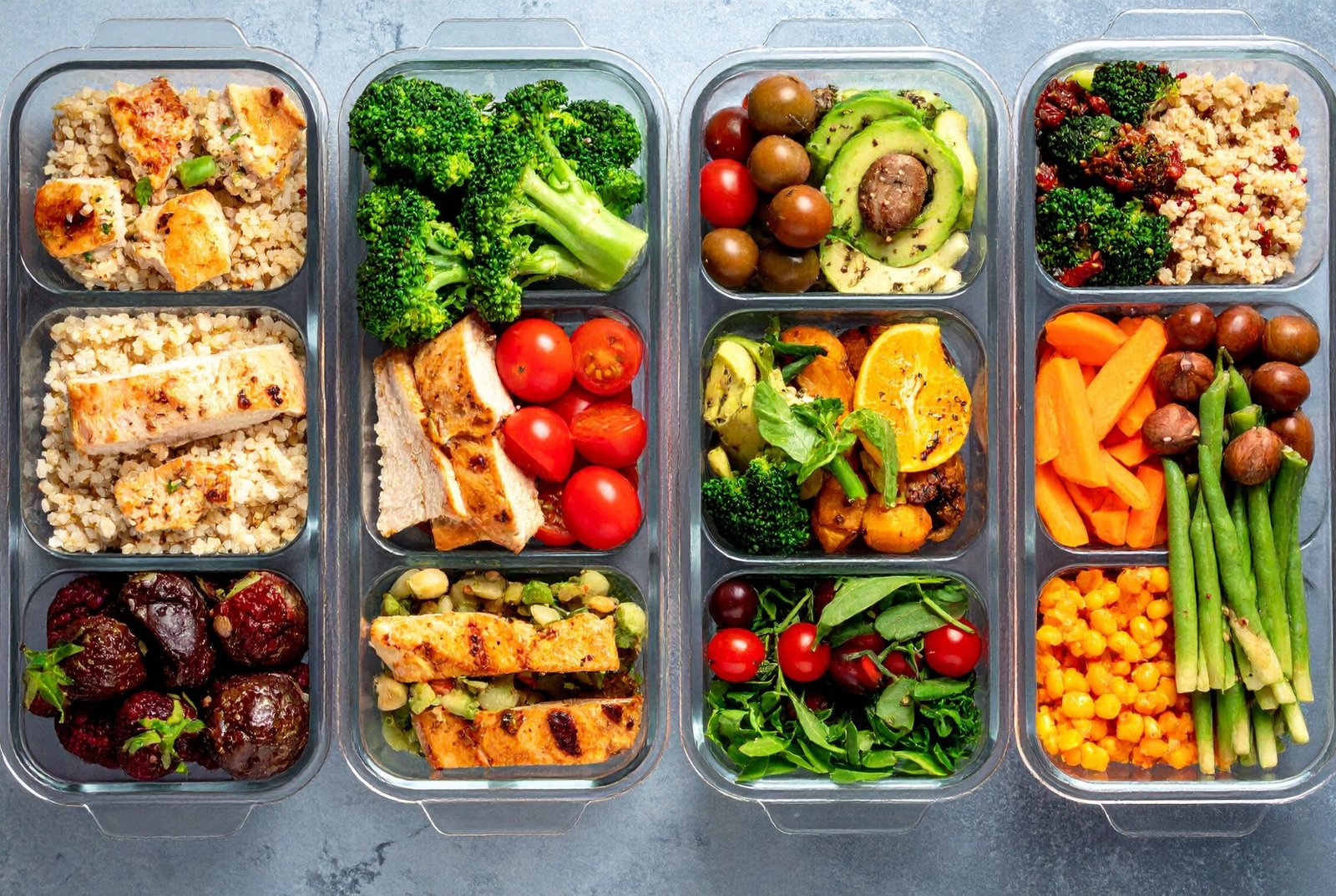
Can AI help me plan a weekly meal schedule? Short answer: yes, and it’s one of the most practical everyday uses of AI I’ve found. Meal planning is a perfect AI task — it’s constrained (your diet, your budget, your week), repetitive, and just tedious enough that most of us avoid it until we’re staring into the fridge at 6 PM ordering takeout again.
I’ve been using AI for meal planning for months now, and it’s genuinely changed how my household eats — less waste, less stress, better variety. Here’s exactly how to do it.
The Basic Method: One Good Prompt
Start with a single detailed prompt. The more context you give, the better the plan:
“Create a 7-day dinner meal plan for a family of four. Two adults, kids ages 7 and 10 (one picky eater). Budget around $150 for the week. We like Italian, Mexican, and Asian food. No seafood — one kid hates it. I can cook about 30-45 minutes on weeknights, longer on weekends. Include a grocery list organized by store section.”
That one prompt produces a full week: meals, a consolidated shopping list, and often prep notes. The grocery list alone saves the mental load of reverse-engineering ingredients from seven recipes. Adjust the constraints to your life — dietary restrictions, cooking skill, equipment (slow cooker? air fryer?), and how much you hate leftovers.
Can AI Help Me Plan a Weekly Meal Schedule Around Real Life? Yes — Iterate
The first plan is a draft, not a decree. The real power is in the follow-ups:
- “Swap Wednesday’s meal — we have soccer practice until 7, so I need something under 20 minutes or slow-cooker.”
- “Make Friday vegetarian and use up the zucchini from Tuesday’s grocery list.”
- “Scale this to meal-prep portions — I want lunches for the week too.”
- “Give me the recipes for Monday and Thursday with step-by-step instructions for a beginner.”
- “What’s the estimated cost breakdown per meal?”
Treat it as a conversation with a very patient personal assistant. Each refinement makes the plan more yours. Save the prompts that work — you’ll reuse the structure weekly with small tweaks.
Level Up: Pantry-First and Budget Planning
Two advanced tricks that cut food waste dramatically. First, pantry-first planning: list what you already have (“I have chicken thighs, rice, black beans, frozen broccoli, and half a jar of salsa”) and ask AI to build meals around it before buying anything new. This alone can cut your grocery bill 20-30%.
Second, batch and repurpose: ask AI to design the week so ingredients cascade — Sunday’s roast chicken becomes Monday’s tacos and Wednesday’s soup. Professional kitchens call this cross-utilization; AI makes it effortless for home cooks. Less waste, lower cost, and you only “cook” three times for seven dinners.
For the money side, pair this with AI budgeting based on your spending habits — food is most households’ most flexible expense, and it’s where budgeting wins come fastest.
What AI Gets Wrong (and How to Fix It)
Be aware of the limits. AI sometimes suggests ingredient combinations that sound plausible but taste questionable — trust your instincts over the algorithm. Portion estimates can be off, especially for teenagers (plan extra). And always sanity-check cooking times and food safety: AI has been known to suggest undercooking poultry, so verify temperatures against a reliable source like FoodSafety.gov. Treat AI as your planning assistant, not your head chef.
Also: AI doesn’t know your family’s actual preferences until you tell it. The first two weeks involve corrections (“nobody liked the lentil thing”). Feed that feedback back in — “no lentils, ever” — and the plans get dramatically better. It’s learning your household, one dinner at a time.
Handling Special Diets and Tricky Constraints
AI shines brightest with complex constraints that would make manual planning miserable. Cooking for a household with a vegetarian, a gluten-free eater, and a bodybuilder? Tell AI exactly that and ask for meals with modular components — a base everyone shares plus protein swaps. Managing diabetes or high blood pressure? Ask for plans built around those guidelines (and verify against your doctor’s advice — AI is a planner, not a dietitian).
Allergy handling deserves special care: always double-check ingredient lists yourself, because AI can miss cross-contamination risks and occasionally suggest problematic substitutions. Use AI for the creative planning work, but keep the safety verification firmly human. For persistent health conditions, loop in a professional — the plan AI builds is a starting point for that conversation, not a replacement for it.
Make It a Weekly Ritual, Not a Project
The system only works if it’s sustainable. Pick a consistent planning day — Sunday morning with coffee works for most households — and time-box it to 20 minutes: pull up last week’s plan, tell AI what worked and what didn’t, adjust for this week’s schedule, get the grocery list, done. Save each week’s plan; after a month you’ll have a rotation of proven winners you can cycle through with minimal new planning.
Share the plan where your household actually looks — a shared note, a fridge printout, a family chat message. The best meal plan in the world fails if nobody knows what’s for dinner. And celebrate the wins: track your grocery spending for the first month. Most families see a 15-25% drop, which is the kind of concrete payoff that turns a new habit into a permanent one.
One More Trick: The “Use It Up” Day
Designate one day a week — Thursday works well — as fridge-cleanout day. Ask AI for a flexible meal built from whatever’s left: stir-fries, soups, frittatas, and grain bowls are all designed for improvisation. This single habit eliminates most food waste and turns “random leftovers” into an actual dinner plan instead of a sad grazing session.
The Practical Takeaway
AI can absolutely help you plan a weekly meal schedule — give it your household size, budget, preferences, and constraints in one detailed prompt, then iterate with follow-ups for schedule quirks and pantry ingredients. Design for ingredient cascade across the week, sanity-check cooking guidance, and feed back what your family actually liked. Do it for a month and the 6 PM “what’s for dinner” panic becomes a relic of your past life — along with a noticeable chunk of your grocery bill. If AI meal planning gets you eating better at home, extend the system to work hours with the healthiest snacks to keep at your desk — and in winter, foods that support your immune system deserve a spot on the plan too.






One Comment