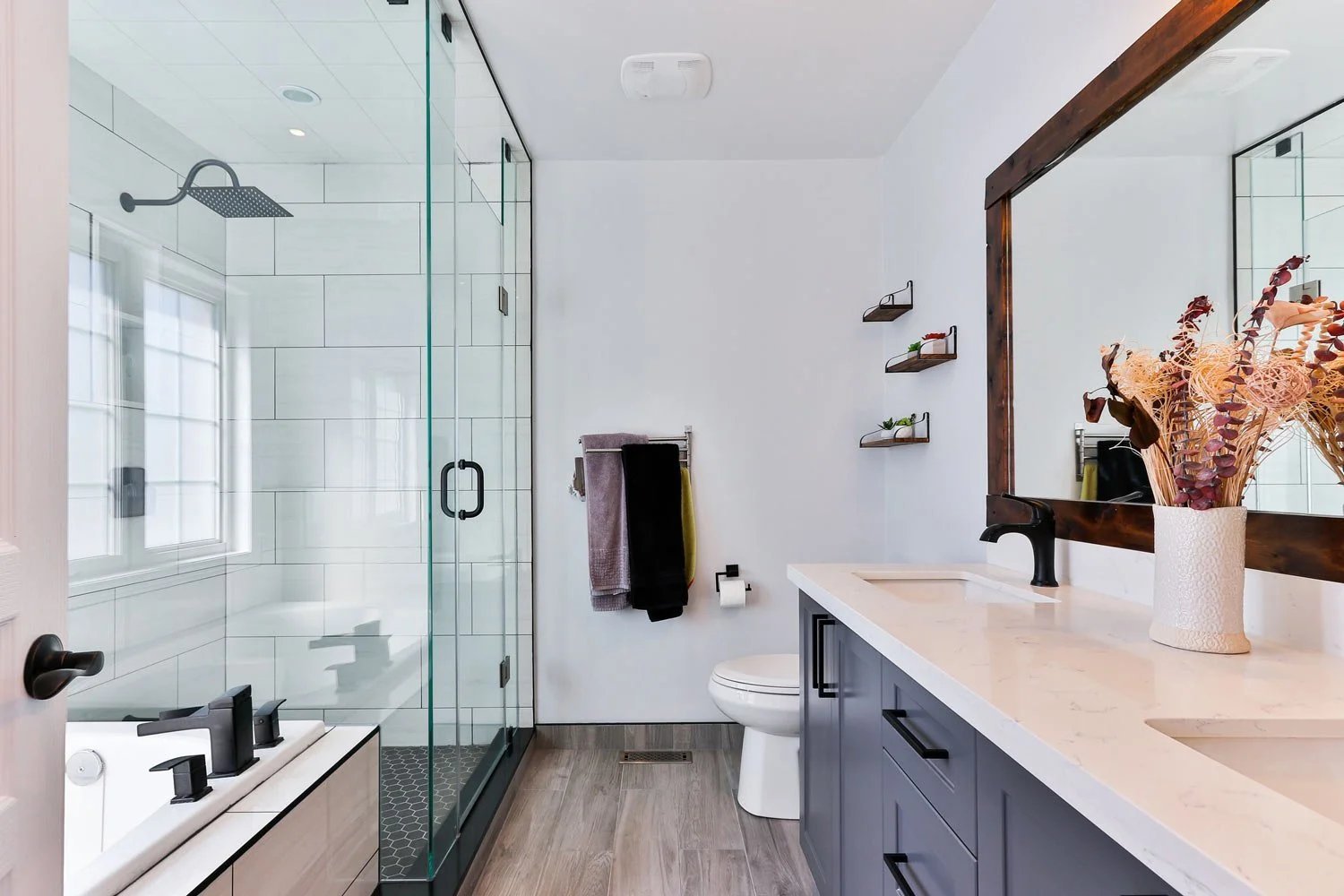
The bathroom is dated, the grout is permanently grimy, the vanity wobbles — but a full gut renovation at $20,000+ isn’t in the cards. Enter the minor bathroom remodel: the sweet spot between a cosmetic refresh and a full tear-out. So how much does a minor bathroom remodel usually cost? Nationally, expect $5,000 to $15,000, with most projects landing around $8,000–$10,000. Here’s exactly what that buys, what drives the price, and how to keep it from ballooning.
What “Minor Remodel” Actually Means
A minor (or “pull-and-replace”) bathroom remodel keeps the existing layout and plumbing locations but replaces the finishes and fixtures: new tub or shower surround, toilet, vanity, flooring, lighting, mirror, paint, and hardware. No moving walls, no relocating plumbing, no structural work. The moment you move the toilet six inches, you’ve left “minor” territory and entered $20,000+ land — moving drain lines is brutally expensive.
Typical line items and costs:
- Tub/shower: $1,500–$4,000 (new tub + surround, or shower retile)
- Vanity + top: $800–$2,500 installed
- Toilet: $300–$700 installed (a great comfort-height, water-efficient model is ~$400)
- Flooring: $800–$2,000 (tile or LVP for a standard 5×8 bath)
- Lighting, mirror, exhaust fan: $400–$1,000
- Paint and trim: $300–$800
- Faucets and hardware: $200–$600
- Labor: roughly 40–60% of the total — the biggest single cost
What Pushes Costs Up (or Keeps Them Down)
- Tile work is the wild card. A simple tub surround in large-format tile: $1,500. Floor-to-ceiling shower with niche, bench, and mosaic accents: $5,000+. Tile labor is slow and skilled — every design flourish costs.
- Keeping the layout is the #1 cost control. Every moved fixture adds $1,000–$3,000 in plumbing.
- Material choices matter enormously. A $200 vanity from a home center versus a $1,200 custom one; $2/sq ft LVP versus $12/sq ft marble-look porcelain. Mid-range materials hit the value sweet spot.
- Your market. Labor in major metros runs 30–50% above national averages; rural areas run below.
- Surprises behind walls. Water damage, mold, or outdated plumbing discovered during demo can add $1,000–$3,000. Budget a 15–20% contingency — in bathrooms, you almost always need it.
- Permits. $200–$500 in most areas for plumbing/electrical work. Skipping permits risks insurance and resale problems.
DIY vs. Hiring Out: Where the Line Is
Realistic DIY contributions that save real money: demolition ($500–$1,000 saved), painting, installing the vanity and mirror, laying LVP flooring, swapping light fixtures (with the breaker off). Leave to pros: plumbing rough-in, electrical work, shower waterproofing, and tile if you’ve never done it — a leaking shower pan destroys everything below it, and This Old House’s bathroom remodel guide is blunt about waterproofing being non-negotiable pro territory.
A smart hybrid: hire a plumber and electrician for the skilled half-day each, DIY the cosmetic work around them. This can cut 25–35% off a contractor’s turnkey price.
Is It Worth It? The ROI Question
Minor bathroom remodels recoup roughly 60–70% of cost at resale — among the better returns for interior projects. But the real value is daily: you use this room multiple times a day, and a bathroom that works well and looks clean changes how the whole house feels. If you’re remodeling to sell, keep finishes neutral and timeless; if it’s for you, indulge a little — the heated floor is $500 and you’ll love it every winter morning.
Before committing to a full minor remodel, honestly assess whether cosmetics would suffice: our guides to making a small bathroom look bigger, cleaning grout, and recaulking the tub cover the $200 version. And while the walls are open, address bathroom mold prevention — the best time to fix ventilation is during a remodel.
How to Keep the Project on Budget
- Finalize every material choice before demo starts. Mid-project changes trigger delays and change orders — the #1 budget killer.
- Get 3+ itemized quotes and compare line by line, not just totals.
- Buy fixtures yourself when the contractor allows it — you avoid their markup and get exactly what you want.
- Schedule in the off-season (late fall/winter) when contractors are hungrier for work.
- Don’t move plumbing. Worth repeating — it’s the brightest line between $10,000 and $25,000.
- Keep the contingency sacred. That 15–20% buffer isn’t optional spending money; it’s for the rotted subfloor you’ll find on day two.
Planning the Timeline (How Long Will You Be Without a Bathroom?)
A minor bathroom remodel typically takes 2–4 weeks with a contractor, or 4–8 weekends DIY. The critical path: demolition (1–2 days), plumbing/electrical rough-in (2–3 days), inspections (schedule-dependent — this is where timelines slip), tile and waterproofing (5–7 days including cure times), then fixtures, paint, and finish work (3–5 days).
If this is your only bathroom, plan accordingly: a gym membership for showers ($30–$50 for the month), a portable camping toilet for emergencies (not glamorous, very practical), and a clear agreement with your contractor on daily cleanup. Never start demolition on your only bathroom on a Friday afternoon — if something goes wrong, you’re without facilities all weekend.
Order all fixtures and materials before demolition starts, and confirm delivery dates. The most common remodel delay isn’t labor — it’s the vanity that’s backordered six weeks while your bathroom sits gutted. Everything on site before the first sledgehammer swings. That’s the rule professionals live by.
Choosing a Contractor (Red Flags and Green Lights)
Bathroom remodels have more than their share of contractor horror stories. Green lights: licensed and insured (verify, don’t trust), itemized written quotes, recent local references you actually call, a clear payment schedule tied to milestones, and a written timeline. Red flags: demanding large upfront payments, no license (“I work under my buddy’s”), vague quotes, no references, pressure to sign today, or a bid dramatically lower than others — that money comes from somewhere, usually your walls.
Get three quotes minimum and compare line by line — the cheapest bid often excludes things the others include. Check online reviews but weight recent ones heaviest; companies change. And trust your gut in the initial meeting — you’ll be living with this person’s crew in your house for weeks. Professionalism in the estimate predicts professionalism in the work.
The Bottom Line
A minor bathroom remodel usually costs $5,000–$15,000, with $8,000–$10,000 being the realistic middle for quality mid-range finishes with professional labor. Keep the layout, choose mid-range materials, finalize decisions upfront, and hold a real contingency. Done right, it’s one of the highest-satisfaction projects in the house — you’ll notice the difference every single day, and so will future buyers.