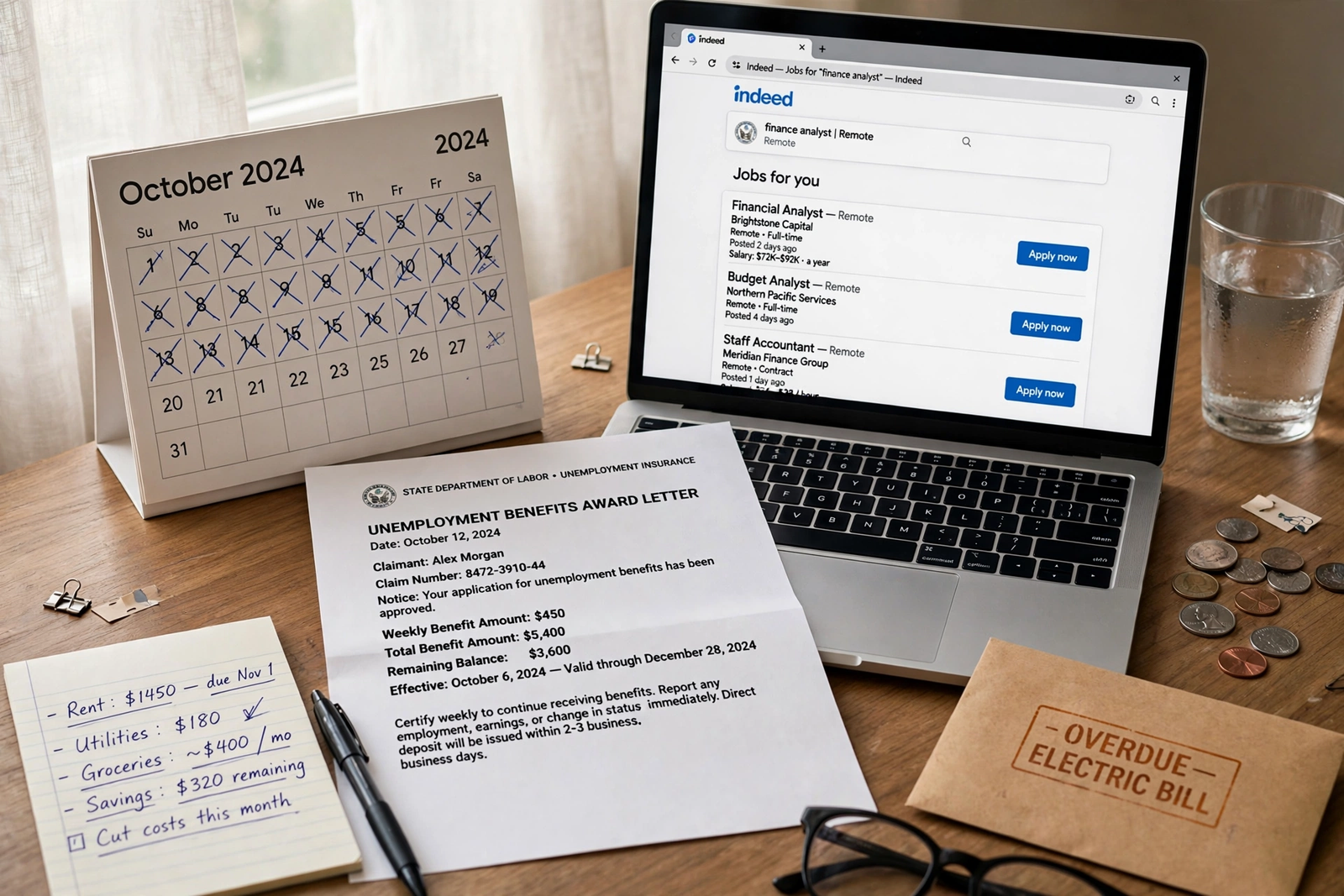
Quick Answer: In most US states, regular unemployment insurance (UI) benefits last up to 26 weeks, though some states allow as few as 12 weeks or as many as 30. During high-unemployment periods, extended benefits can add up to 13 more weeks. Eligibility and duration vary by state and depend on your work history and earnings.
Losing a job is stressful enough without the added uncertainty of how long your safety net will last. Unemployment insurance gives you a weekly check while you look for work — but it doesn’t last forever. Knowing exactly how many weeks you’re entitled to helps you budget, plan your job search, and apply for help before the money runs out.
This guide explains how long unemployment lasts in the US, what determines your duration, what happens when benefits run out, and what alternatives exist. Rules change, so always verify current details with your state’s workforce agency.
Standard Duration: The 26-Week Baseline
Unemployment insurance is a joint federal-state program. The federal government sets the framework, but each state runs its own program and sets its own benefit duration.
- Most states: Up to 26 weeks (about 6 months) of regular UI benefits.
- Shorter states: A few states (such as Florida and North Carolina) cap benefits at 12 weeks when unemployment rates are low, with sliding scales based on the state unemployment rate.
- Longer states: Montana offers up to 28 weeks; Massachusetts up to 30 weeks.
- Calculation: Many states don’t just hand you the full 26 weeks — your benefit duration is based on your base-period wages. Higher past earnings usually mean more weeks of eligibility, up to the state maximum.
Extended Benefits During High Unemployment
When a state’s unemployment rate climbs above certain thresholds, Extended Benefits (EB) can kick in:
- EB adds up to 13 additional weeks beyond regular UI.
- States trigger EB automatically based on their insured unemployment rate — you don’t apply separately in most cases, but you must have exhausted regular benefits.
- Congress has also created temporary emergency programs during recessions and crises (like the pandemic-era extensions), which can add many more weeks — but these require new federal legislation.
What Determines How Long Your Benefits Last?
Your state decides your specific duration based on:
- Base-period earnings: Wages earned during the first four of the last five completed calendar quarters before you filed. More earnings = more eligible weeks, up to the state cap.
- Reason for job loss: You must have lost your job through no fault of your own (layoffs, business closures, reduced hours). Quitting voluntarily or being fired for misconduct generally disqualifies you.
- Ongoing eligibility: You must file weekly or biweekly claims, be able and available to work, and actively search for jobs. Miss a certification and that week’s payment stops.
- Earnings while on benefits: Part-time work reduces your benefit amount but usually doesn’t reduce your total weeks — some states even let you keep a portion of earnings without penalty.
The US Department of Labor tracks all state programs; find your state’s details at Department of Labor unemployment insurance resources.
Do Unemployment Benefits Expire If You Don’t Use Them?
Yes. Your benefit year is typically 12 months from the date you filed your claim. Any unused weeks expire at the end of that benefit year — they don’t roll over. If you find a job quickly, work a while, and get laid off again, you file a new claim based on your new work history.
What Happens When Unemployment Runs Out?
Running out of benefits doesn’t mean running out of options:
- Check for extended benefits: Ask your state agency whether EB or any federal program is active.
- SNAP and other assistance: Apply for food assistance (SNAP), Medicaid, and utility assistance programs. The federal benefits portal at the federal benefits portal listing available assistance programs lists what’s available.
- Retraining programs: State workforce centers offer free job training, resume help, and career counseling — often funded by the Workforce Innovation and Opportunity Act.
- COBRA or marketplace health insurance: Losing a job triggers a special enrollment period for health insurance; losing coverage is a qualifying life event.
- Emergency fund discipline: If you have savings, stretch them by cutting non-essential spending immediately — don’t wait until benefits expire.
How to Maximize Your Benefit Weeks
- File your claim as soon as possible after job loss — most states have a one-week waiting period before payments start, and filing late costs you weeks.
- Never skip weekly certifications, even in weeks with zero job-search progress — a missed certification forfeits that week’s payment.
- Report part-time earnings honestly; underreporting can disqualify you and trigger repayment demands.
- Keep detailed records of your job search (applications, interviews, networking) in case the state audits your activity.
Related reading: how long should you keep tax returns and how much does it cost to file bankruptcy.
Frequently Asked Questions
How long does unemployment last in most states?
Up to 26 weeks (6 months) in most states. Some states offer fewer weeks (as low as 12) or more (up to 30), and extended benefits can add up to 13 weeks during periods of high unemployment.
Can unemployment benefits be extended?
Yes, through the Extended Benefits program (up to 13 extra weeks) when your state’s unemployment rate is high enough to trigger it. Congress can also pass temporary emergency extensions during recessions. Contact your state agency to see what’s active.
Do I get the full 26 weeks automatically?
Not necessarily. Your exact number of weeks depends on your base-period earnings — many states calculate your duration from your past wages, up to the state maximum. Check your determination letter or your state’s online portal.
What disqualifies me from continuing to receive benefits?
Turning down suitable work, failing to file weekly claims, not conducting a job search, earning above the state’s threshold, or becoming unavailable to work can all stop your payments.
Can I work part-time and still collect unemployment?
In most states, yes. Part-time earnings usually reduce your weekly benefit by a portion of what you earn, and some states let you keep a small amount without any reduction. Always report earnings accurately.
What should I do before my benefits run out?
File for extended benefits if available, apply for SNAP/Medicaid/utility assistance, visit your state workforce center for retraining, and tighten your budget. Act early — assistance programs can take weeks to approve.