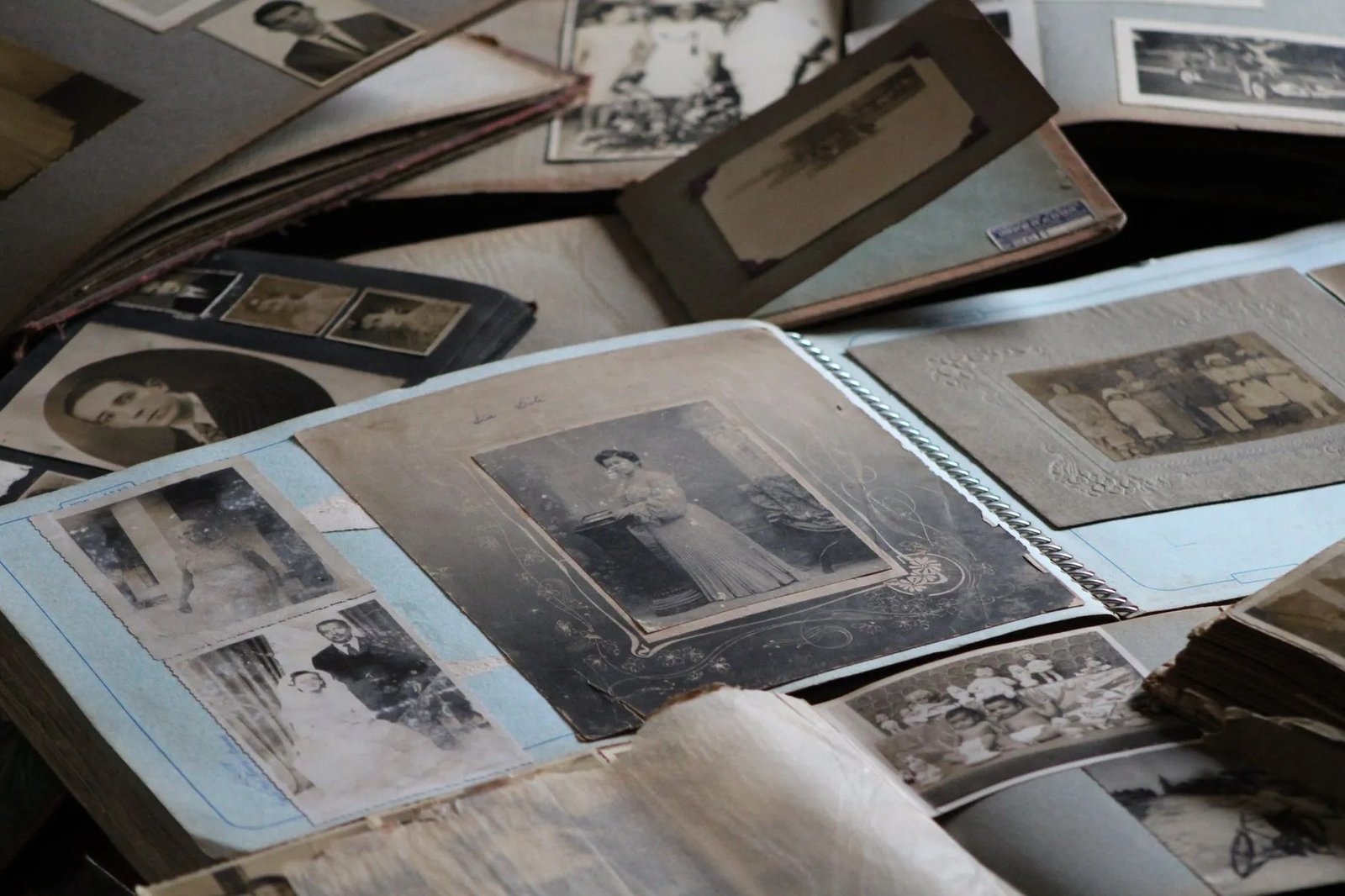
How accurate are AI photo editing tools for restoring old pictures? If you have a shoebox of fading family photos — creased, scratched, yellowed, with faces blurred by time — AI restoration promises something close to magic: upload the damaged photo, get back a clean, sharp version. I’ve tested these tools on genuinely damaged family photos, and the results range from jaw-dropping to subtly wrong in ways that matter. Here’s the honest assessment.
How Accurate Are AI Photo Editing Tools for Restoring Old Pictures?
For damage repair, modern AI is remarkable. Scratches, creases, dust spots, tears, water damage — the algorithms fill in missing areas by understanding what should be there, and the results are often indistinguishable from the original. Colorization of black-and-white photos has gone from novelty to genuinely impressive, with historically plausible color palettes. Noise reduction and sharpening can rescue blurry, grainy shots that seemed hopeless.
The tools have also gotten accessible: Remini, MyHeritage’s photo tools, Adobe’s neural filters, and various free options all do credible work. For straightforward damage — the typical “old photo” problems — I’d estimate current tools get 85-95% of the way to professional restoration quality in seconds, for free or cheap. That’s an astonishing democratization of something that used to cost $50-200 per photo from a specialist.
How Accurate Are AI Photo Editing Tools? Where They Get It Wrong
Here’s the critical part: AI restoration doesn’t recover lost detail — it invents plausible detail. This distinction matters enormously for faces. When AI “sharpens” a blurry face, it’s generating what a face probably looked like based on patterns from millions of other faces. The result looks convincingly real — and may not resemble your actual grandmother.
Specific failure modes I’ve seen: altered facial features (the restored face is prettier but subtly different — different nose shape, different eyes), anachronistic details (modern clothing textures on 1940s garments, wrong-era hairstyles “corrected” to contemporary styles), hallucinated background elements (signs with gibberish text, extra fingers on hands, warped patterns), and over-smoothing that erases the character of film grain and makes everything look like a video game render.
For casual sharing — “look how great grandpa’s photo looks now!” — these issues rarely matter. For archival or sentimental purposes, they matter a great deal. A “restored” photo that subtly misrepresents your ancestor’s face is worse than an honest damaged original, because it replaces truth with plausible fiction.
The Right Workflow: AI + Human Judgment
The sweet spot: use AI for the mechanical work (scratch removal, noise reduction, basic color correction), then review critically at 100% zoom, especially faces. Compare against the original constantly — if a feature changed, that’s invention, not restoration. For irreplaceable photos, consider having a professional do the final pass, or at minimum keep the original scan untouched and treat AI versions as interpretations, clearly labeled.
Always scan at high resolution first (600 DPI minimum) and preserve the original file separately. AI tools compress and alter; your archival scan is the ground truth. And before editing family photos specifically, read what to know before using AI to edit family photos — the privacy and consent dimensions matter too.
Tool-by-Tool: What to Use When
- Quick fixes on phone photos: Remini or built-in phone AI enhancers — fast, good for casual use
- Serious damage repair: Adobe Photoshop’s neural filters or dedicated restoration software — more control, better for important photos
- Colorization: MyHeritage In Color or similar — impressive, but verify historical plausibility
- Bulk family archive work: Desktop tools with batch processing beat phone apps for dozens of photos
Whichever you choose, test on a copy first, zoom in on faces, and trust your eyes over the algorithm’s confidence. For understanding the broader tech, generative AI explained in plain English covers why these tools “invent” rather than “recover.”
A Note for Family Historians and Genealogists
If you’re building a family archive, think in layers. Layer 1: preservation. High-resolution scans of everything, stored in multiple places (external drive plus cloud). This is the non-negotiable foundation — physical photos deteriorate, and digitization is the only true backup. Layer 2: AI-assisted restoration. Batch-process the collection for damage repair and basic enhancement. Layer 3: human curation. Identify people, add dates and stories while relatives who remember are still around, and flag the most important photos for professional attention.
That last point is urgent and underappreciated: the stories behind photos disappear with the people who know them. An AI can clean up a photo; it can’t tell you that’s Uncle Frank at his wedding in 1962. Interview your older relatives now, photo by photo. Record the audio. Future generations will treasure those identifications more than any restoration.
When to Hire a Professional Instead
AI handles 90% of restoration needs, but consider a professional for: severely damaged one-of-a-kind photos (fire, water, mold damage beyond AI’s capability), photos needed for large prints (AI upscaling has limits), historically significant images where accuracy matters, and colorization requiring period-authentic research. Professional restoration ($50-200/photo) buys human judgment about what the image should look like — something AI guesses at.
A smart hybrid: AI-process the whole collection for everyday sharing, then professionally restore the 5-10 most precious images for framing and archiving. You get the best of both worlds without the best-of-both-worlds price tag.
Sharing Restored Photos Thoughtfully
When sharing AI-restored family photos, a little transparency goes a long way: “Here’s grandma’s photo cleaned up with AI — the original is pretty damaged.” Family members deserve to know they’re seeing an interpretation, especially for faces. And consider the feelings of living relatives before posting restored photos publicly — what seems like a lovely tribute to you might feel like an exposure to them. A quick ask prevents hurt feelings.
The Practical Takeaway
AI photo editing tools are remarkably accurate for damage repair, scratch removal, and noise reduction on old pictures — but they invent rather than recover facial detail, which means restored faces can be subtly wrong. Use AI for the mechanical restoration work, scrutinize faces at full zoom, preserve original scans untouched, and treat AI versions as interpretations rather than truth. For precious family photos, that human review pass is what separates a beautiful restoration from a beautiful fiction. Human experts practicing the traditional craft of photo restoration remain the gold standard for museum-grade work — AI is the fast, affordable alternative.