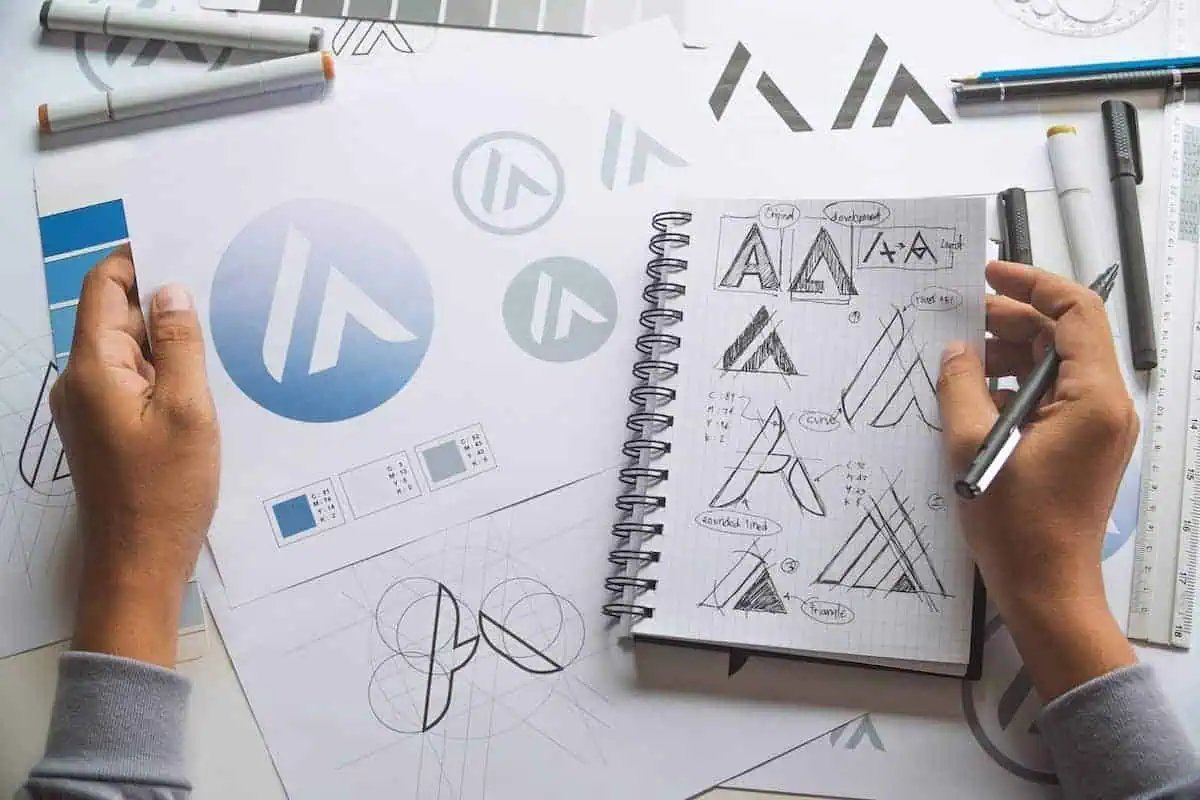
How much should a startup spend on branding in the first year? Less than you think: $500-$2,000 for a lean-but-legit brand (logo, colors, fonts, basic guidelines, simple website), or $5,000-$15,000 for a professionally designed identity if brand is core to the business (consumer products, hospitality). Never $30,000+ pre-revenue — that’s ego, not strategy.
I’ve seen startups thrive on $300 brands and die on $30,000 ones. Here’s how to spend wisely.
The Lean Brand Stack ($500-$2,000)
Enough for 90% of startups:
- Logo + mini identity: $200-$800. A good freelancer (not Fiverr $20, not agency $10k) — logo, color palette, font pairing, basic usage rules. Look at portfolios for versatility (does the logo work tiny, in one color, on dark backgrounds?).
- Domain + basic site: $100-$300/year. Domain ($15) + Squarespace/Wix/Carrd ($100-$250/year). Clean template, your colors and logo — done. The site just needs to look intentional, not win awards.
- Business cards + basic collateral: $50-$150. Moo or Vistaprint. Still useful for in-person businesses.
- Social templates: $0-$100. Canva Pro ($120/year, often free trial) with your brand kit — consistent posts without a designer on retainer.
- Total: ~$500-$1,500. Looks professional, costs little, and — critically — is disposable. If you pivot in month 8 (most startups do), you haven’t cremated $20k.
When to Spend More ($5,000-$15,000)
- Brand IS the product: consumer goods, food/beverage, fashion, hospitality — where shelf presence and desirability drive sales. Packaging design alone can justify $5k-$10k here.
- Premium positioning: if your strategy is “the premium option,” the brand must look premium from day one — cheap branding contradicts the promise.
- Funded startups: with $500k+ raised, a $10k-$15k identity is proportionate (2-3% of capital) and signals seriousness to hires, partners, and press.
- What the money buys: strategy workshop (positioning, audience, voice), full identity system (logo suite, typography, color, imagery style, iconography), brand guidelines document, and launch collateral. The strategy is the valuable part — the logo is just its visible tip.
- Still skip: brand videos, elaborate guidelines for hypothetical use cases, trademark-level legal before product-market fit (file the trademark when the name sticks, not before).
What NOT to Spend On (Year One)
- Full agency rebrands ($25k+): pre-revenue, this is almost always premature. Your brand will evolve with your customers — expensive permanence now just means expensive rebranding later.
- Custom illustration systems, mascots, brand films: lovely, unnecessary. Prove the business first.
- Trademark battles over the perfect name: pick a good-enough name, file the trademark ($250-$350), move on. Months of naming anguish is procrastination wearing a branding costume.
- Premium stationery, embossed everything: nobody cares. Spend it on the product.
- Rebranding twice: the hidden cost — every rebrand confuses early customers and wastes the equity you built. Get to “good enough and stable” fast, then leave it alone for 2 years.
The Branding Priority Order (Spend in This Sequence)
- 1. Name + domain ($15-$50): check trademark clearance basics (Google + USPTO TESS) before falling in love. A name you can’t own is a liability.
- 2. Logo + colors + fonts ($200-$800): the visual core. Everything else hangs off this.
- 3. Website that looks intentional ($100-$300): template + your identity. Live in a weekend.
- 4. One-page brand sheet ($0, DIY): logo usage, colors with hex codes, fonts, voice notes (3 adjectives: “we sound like ___”). Keeps contractors and future hires consistent.
- 5. Product/packaging design (varies): if you’re product-based — this is where design dollars actually convert to sales.
- 6. Everything else: after revenue, after product-market fit, after the name is certain. Then invest properly.
Branding vs. Product: the Real Priority
The uncomfortable truth: in year one, product beats brand 10-to-1. Customers forgive plain branding on a great product; no branding saves a bad one.
- The 80/20 of branding: a decent logo, consistent colors, clean website, professional emails (you@yourcompany.com, not xX_gamer_Xx@gmail.com). That’s 80% of perceived professionalism for 20% of possible spend.
- What actually builds brand in year one: customer experience — every interaction is the brand. Fast replies, kept promises, great unboxing, honest mistakes handled well. This costs behavior, not dollars.
- The rebrand budget: mentally reserve year-two/three for the real brand investment ($5k-$15k) once you know who your customers are and what the business became. Year one’s brand is a placeholder with standards — professional, consistent, and deliberately non-precious.
- Measure brand spend against revenue: pre-revenue, cap at $2k. At $100k revenue, 3-5% ($3k-$5k) is sane. At $1M+, proper brand investment (5%+) pays real returns.
Founders who obsess over branding pre-revenue are usually avoiding harder work (sales, product). The logo won’t save you; customers will. Spend accordingly. The SBA’s marketing resources keep the focus where it belongs.
Measuring Whether the Brand Is Working
- Recognition test: show the logo to 10 target customers — can they describe what you do? Can they remember it tomorrow? Confusion is the metric that matters.
- Consistency audit (quarterly): screenshot your website, socials, emails, and packaging side by side. Do they look like one company? Inconsistency, not ugliness, is the usual brand failure.
- Customer language: do customers describe you with your intended adjectives? If you aimed for “premium” and hear “cheap and cheerful,” the brand missed.
- Price resistance: a working brand reduces price sensitivity — if every sale is a discount negotiation, the brand isn’t carrying its weight (or the product isn’t).
- The ultimate test: would a customer recognize you blindfolded by voice and values? Year-one branding just needs to be consistent and professional — memorability compounds from repetition, not from the logo’s cleverness.
Keep Reading
If this was useful, you might also like trademark clearance and marketing.
The Bottom Line
Year-one branding: $500-$2,000 lean (freelancer logo $200-$800, template site, Canva brand kit) — professional, consistent, disposable if you pivot. $5,000-$15,000 only if brand drives sales (consumer products, premium positioning, funded). Never $25k+ pre-revenue. Priority order: name → logo/colors → website → brand sheet → packaging. Product beats brand 10-to-1 in year one; reserve the real brand investment for year two, when you know what the business actually is.
Frequently Asked Questions
Can I just use a Fiverr logo for my startup?
For validation stage: yes, a $50-$150 Fiverr logo from a vetted seller is fine. For a funded or brand-driven business: invest $500-$2,000 in a proper freelancer. Upgrade when the business is real, not before.
When should a startup rebrand?
When the business pivoted significantly, outgrew a DIY identity (usually year 2-3 with real revenue), or the brand actively contradicts the positioning. Not because you’re bored with the logo — that’s the most expensive boredom in business.
Is branding or marketing more important for startups?
Marketing (getting customers) beats branding (how you look) in year one, decisively. A plain brand with great marketing outperforms a beautiful brand nobody sees. Fund customer acquisition first; polish the brand with the profits.